Manchester United's Tactical Dominance in 3-2 Victory Over Nottingham Forest
Manchester United’s 3-2 win over Nottingham Forest at Old Trafford was defined by aggressive territorial control rather than sterile possession. Despite trailing 49% to 51% in the ball share, Michael Carrick’s side generated 29 total shots to Forest’s 11 and an xG of 4.19 against 1.75, underlining a game plan built on verticality, counter-pressing and repeated entries into the box rather than long passing sequences.
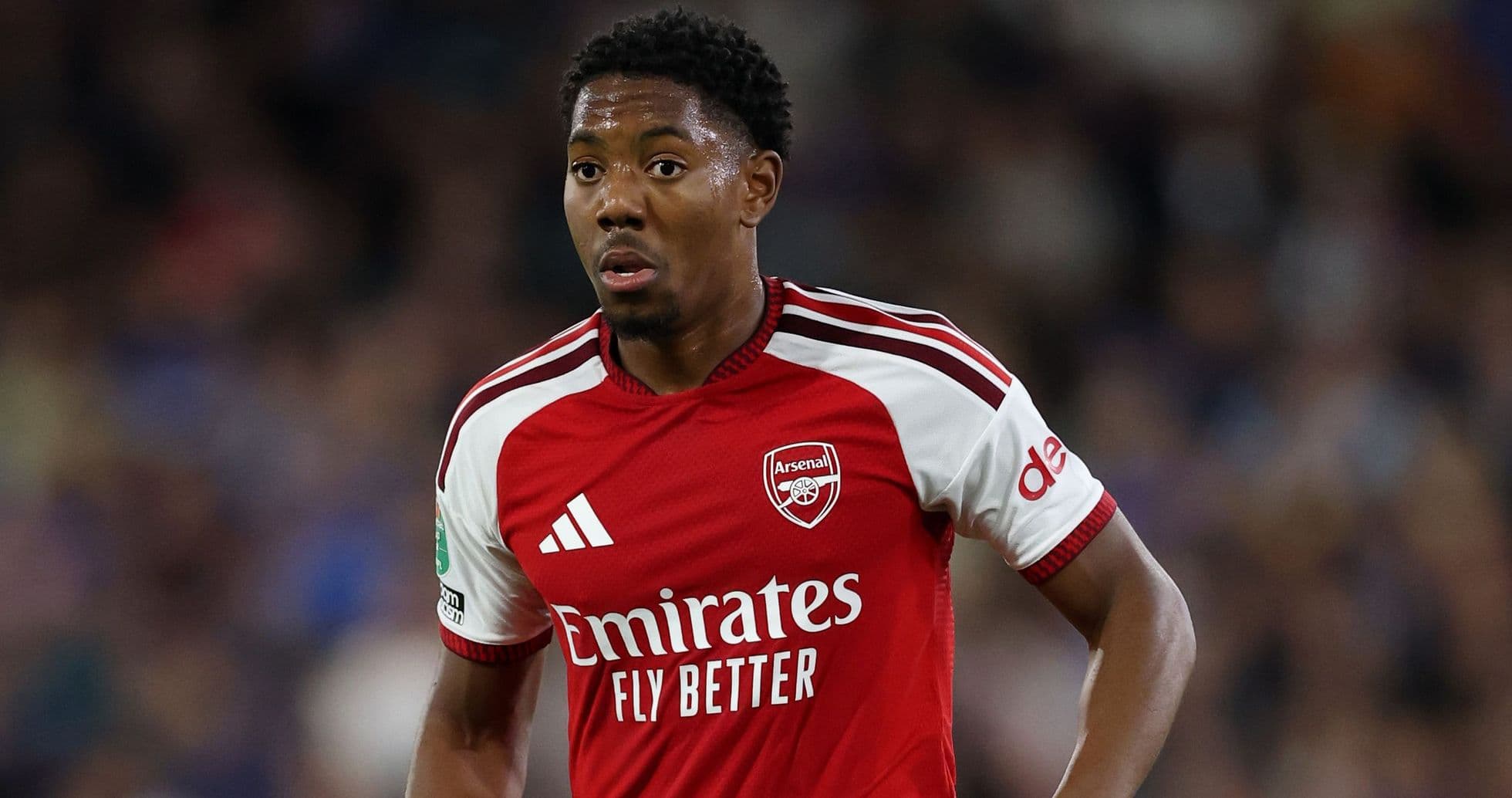
Carrick’s 4-2-3-1 was structurally clear. S. Lammens started in goal behind a back four of Diogo Dalot, Harry Maguire, Lisandro Martinez and Luke Shaw. Casemiro and Kobbie Mainoo formed the double pivot, with Amad Diallo and Matheus Cunha flanking Bruno Fernandes as the central creator behind Bryan Mbeumo. The intention was to pin Forest’s 4-4-2 deep by overloading the half-spaces and attacking the channels around the visiting centre-backs.
The early breakthrough from Luke Shaw on 5 minutes encapsulated United’s approach. With Forest’s two forwards, Igor Jesus and Chris Wood, offering only limited first-line pressure, United’s centre-backs could step in and draw out the wide midfielders. Shaw repeatedly advanced from left-back into inside-left zones; his goal reflected United’s willingness to commit full-backs high and shoot early when space opened at the edge of the area. It also set the tone for United’s shot profile: 21 of their 29 attempts came from inside the box, but they were never shy about testing from range when Forest’s block sagged.
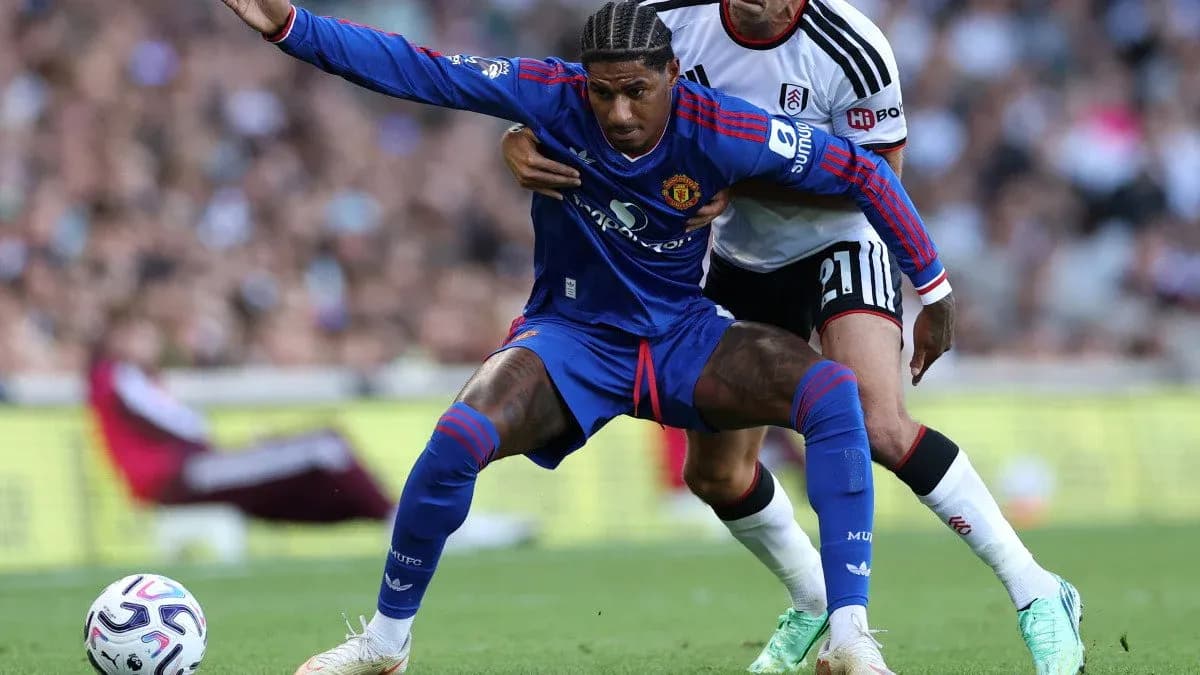
Out of possession, United’s defensive structure was more 4-4-2, with Fernandes stepping up alongside Mbeumo to press Forest’s centre-backs, while Cunha and Diallo dropped to the flanks. Casemiro anchored in front of Maguire and Martinez, screening direct passes into Wood. United’s 11 fouls and two yellow cards — Casemiro on 78 minutes for “Foul” and Shaw at 90+3 minutes, also for “Foul” — reflected a calculated physical edge, especially when Forest tried to counter through Elliot Anderson and Morgan Gibbs-White.
Forest’s 4-4-2 under Vitor Pereira was built around compactness and transition. Matz Sels in goal sat behind a back four of Neco Williams, Nikola Milenkovic, Morato and Luca Netz. In midfield, Omari Hutchinson and Elliot Anderson worked the flanks, with Nicolas Dominguez and Anderson’s central partner providing balance, while Gibbs-White played as the more mobile of the front four, linking to Igor Jesus and Wood. Forest accepted United’s territorial dominance but looked to spring quickly once they broke the first press.
Their equaliser on 53 minutes, Morato finishing from an Elliot Anderson assist, came from precisely this pattern. Forest exploited a set-piece or second-phase situation where United’s defensive line was disorganised, allowing the centre-back to attack a loose ball in the area. It highlighted United’s vulnerability when their aggressive positioning left spaces for late runners from deep.
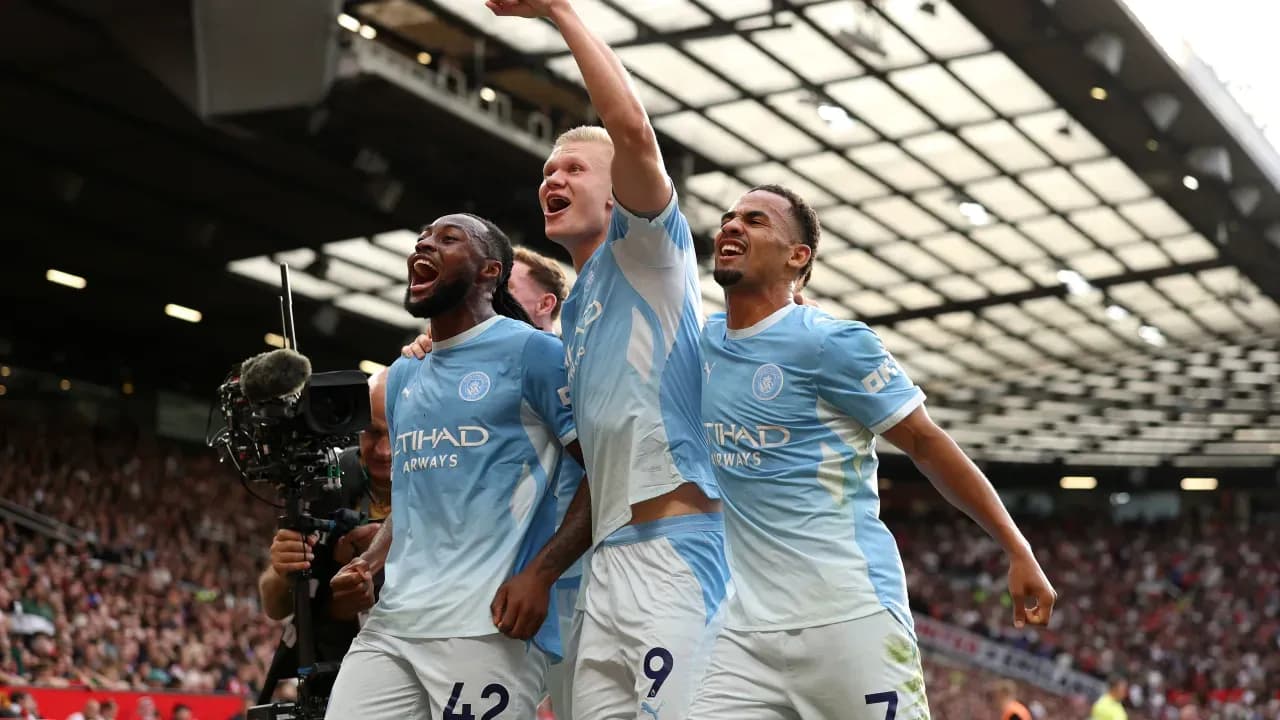
United’s response was immediate and telling tactically. Just two minutes later, Matheus Cunha struck to restore the lead at 55 minutes. His goal — later confirmed by VAR at 57 minutes — underlined the value of having a nominal “midfielder” operating as a second striker. Cunha consistently attacked the space between Forest’s lines, and when United accelerated through Fernandes or Mainoo, he was the first to break beyond the forwards into finishing positions. The VAR confirmation did not change the tactical picture: United were rewarded for sustained pressure and numbers in the box.
Carrick’s side continued to lean on wide overloads and cut-backs. The third goal, scored by Bryan Mbeumo at 76 minutes from a Bruno Fernandes assist, was the clearest expression of this. United pulled Forest’s back four laterally, Fernandes found a pocket between the lines, and Mbeumo’s movement from the front line into the channel allowed him to attack the cross with Forest’s centre-backs caught in two minds. It was a high-probability chance consistent with United’s superior xG and their 8 shots on target.
Forest’s adjustments came in a triple substitution on 70 minutes. Taiwo Awoniyi (IN) came on for Chris Wood (OUT), Ibrahim Sangare (IN) came on for Nicolas Dominguez (OUT), and Dilane Bakwa (IN) came on for Omari Hutchinson (OUT). The changes aimed to add power in transition through Awoniyi, more ball-winning and vertical passing from Sangare, and direct dribbling from Bakwa. The impact was partial: Forest became more dangerous in broken-field situations but still struggled to sustain pressure.
Their second goal, from Morgan Gibbs-White at 78 minutes, again assisted by Elliot Anderson, came almost immediately after Casemiro’s yellow card. United’s midfield line briefly lost compactness, and Forest exploited that moment with Gibbs-White arriving between the lines to finish. It showed that while United’s aggressive pressing generated chances, it also left them exposed when the timing of their challenges was off.
Carrick’s in-game management from 80 minutes onward was clearly about game-state control. J. Zirkzee (IN) came on for Bryan Mbeumo (OUT) and Patrick Dorgu (IN) came on for Matheus Cunha (OUT) at 80 minutes, followed by Mason Mount (IN) for Casemiro (OUT) at 81 minutes. Zirkzee’s role was to offer a stronger hold-up outlet, allowing United to play longer and relieve pressure. Dorgu’s introduction added defensive security on the flank, while Mount provided fresher legs and more secure short passing in midfield to manage the closing stages.
Forest’s final substitutions at 84 minutes — J. McAtee (IN) for Igor Jesus (OUT) and Cunha (IN) for Luca Netz (OUT) — tilted them towards a more attacking posture, pushing full-backs and wide players higher. However, their late push was blunted by United’s compact 4-5-1 block and the home side’s willingness to break play up with tactical fouls. Elliot Anderson’s yellow card at 90+4 minutes for “Foul” captured Forest’s own desperation as they tried to stop United counter-attacks.
From a statistical perspective, United’s 427 passes, 376 accurate (88%), showed a solid but not dominant circulation, reflecting a preference for direct entries and quick combinations rather than long possession phases. Forest actually completed more total passes — 447 with 375 accurate (84%) — but used them more in deeper zones and build-up, without translating them into sustained final-third pressure. United’s 12 blocked shots further illustrated how often they were able to shoot from dangerous areas against a Forest block forced to defend close to its own goal.
In goal, S. Lammens made 2 saves with 0.01 goals prevented, while M. Sels registered 5 saves and also 0.01 goals prevented. The similar goals prevented values but contrasting shot volumes underline that United’s finishing and shot quality, rather than goalkeeping heroics, drove the 3-2 scoreline. Forest’s keeper was busier, but United’s repeated incursions into the box and superior xG made the home win a logical outcome of the tactical balance.