Albert Mahlangu Raises Concerns Over Muti and Player Injuries
Orlando Pirates legend Albert “Bashin” Mahlangu has lifted the lid on what he believes lies behind the sudden loss of form and wave of injuries haunting some of South Africa’s top-flight stars – and he’s pointing the finger inside the dressing room.
In a candid interview with KickOff, the former Buccaneers midfielder claimed that muti is being used by players against their own teammates, not just opponents, and that careers are suffering as a result.
“It’s tough on the pitch. I played for Pirates, and it wasn’t easy,” he said, stressing that the pressure of the professional game can push some players into dark corners. In his view, that includes turning spiritual practices into weapons.
“Where are these boys?”
Mahlangu didn’t speak in generalities. He went straight to names in the current Orlando Pirates setup.
“For example, at Pirates, where is Andre Jong? Where is Kabelo Dlamini?” he asked.
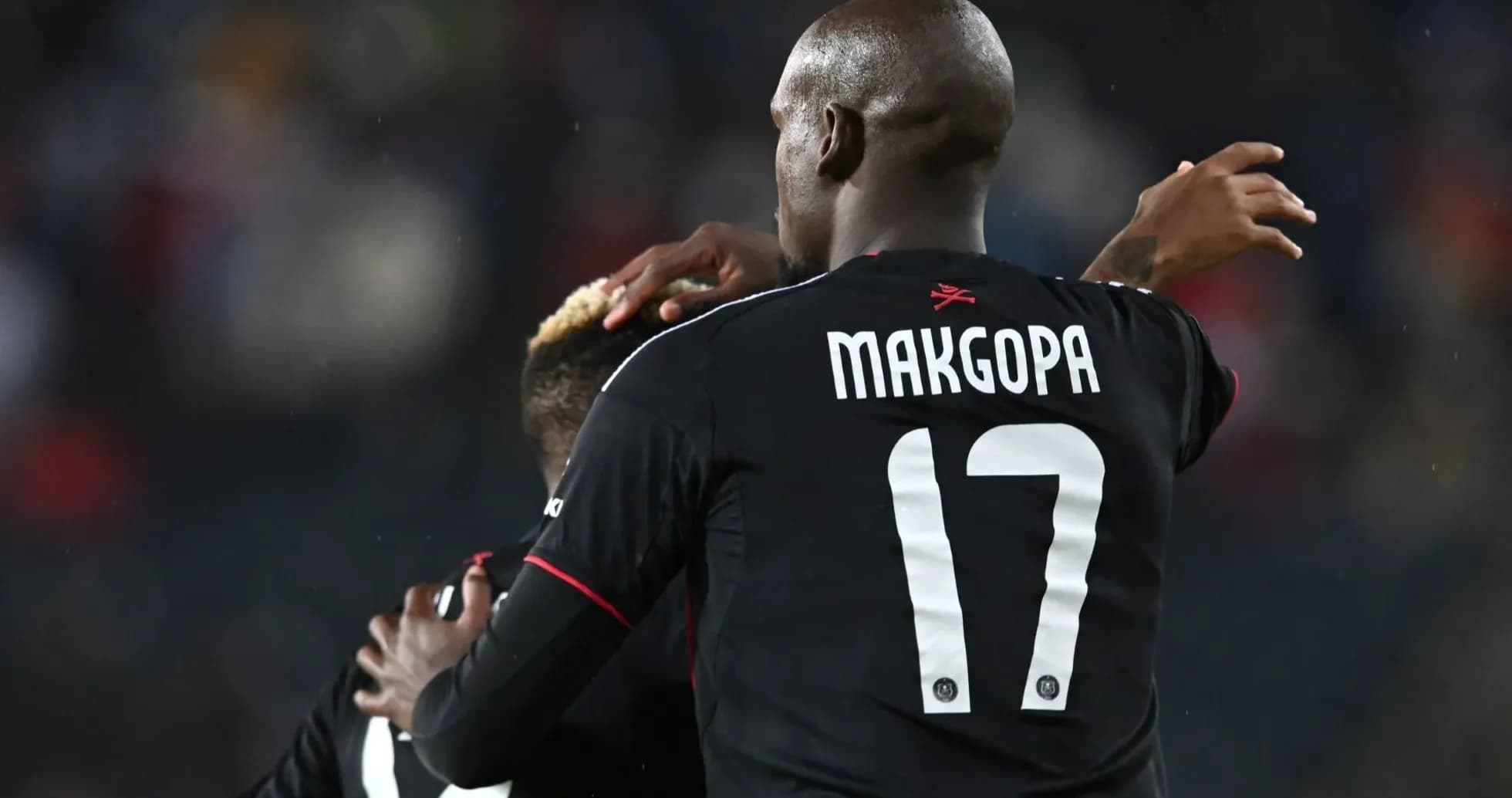
He then turned to Evidence Makgopa, a player he insists he knew well.
“Evidence Makgopa too, a player I knew very well, that he would always score if introduced in the second half, but he has disappeared.”
The pattern, in his eyes, keeps repeating.
“Yanela Mbuthuma was brought in from Richards Bay, scoring goals from left, right, and centre,” Mahlangu continued. “He got there at Pirates, he scored and scored... all of a sudden, he has stopped scoring.
“Surely, there is something happening with these boys,” he said, leaving the question hanging.
For Mahlangu, the drop-offs in form and the length of some absences cannot be explained only by tactics or training loads. He believes muti is being twisted into a tool of sabotage.
Muti as protection, not a weapon
Mahlangu is not against muti. Far from it. He insists it has a place in the game – but only as a force for personal and collective upliftment.
“If you and I are teammates, you must use muti the right way. Use it to improve yourself and help the team win, not to destroy me,” he argued.
Then he cut to the football logic.
“If I am destroyed, how are we supposed to play? You need 11 players on the pitch to form a team.”
His concerns stretch beyond Pirates. He pointed to the injury situation at a rival giant.
“Kaizer Chiefs have five left-backs on the injury list. How is that possible?” he asked, suggesting that such clusters of injuries raise deeper questions in the local game.
“Protect your boots, protect your bag”
Mahlangu’s warnings weren’t just philosophical. They were practical. He urged current professionals to be on high alert, even in the changing room.
“It’s not easy in these teams. People scream from the stands, shouting at players, but they don’t know the many challenges players face,” he said.
“If you are a professional footballer, use something to protect yourself. Please protect your gear – your soccer boots, kitbag with some muti of your own – so that when your teammate tries to put some muti in your bag, it doesn’t work.”
He again referenced specific cases to underline his fears.
“When was the last time Tapelo Xoki played a match? Sihle Nduli had just returned from injury, but suddenly he’s injured again.”
For Mahlangu, these situations form a pattern, not isolated misfortunes.
“In our time, this was not common”
To drive home his point, the 12-year Pirates servant contrasted the modern era with his own playing days.
“Such things were not common during our time,” he said.
“I played for Pirates for 12 years. In that period, I only had one ankle injury.
“I got injured today, and the next day I was back on the pitch.”
He credits that rapid recovery to unconventional treatment.
“Thanks to an old man who cut open my ankle and put some stuff in, and I was at training the following day,” Mahlangu recalled.
That memory stands in stark contrast to what he sees now.
“Nowadays, players get injured at training and stay out for six months,” he said. “Imagine six months out? Something is wrong.”
For him, the message to today’s professionals is non-negotiable.
“So, players, please protect yourself. Use something,” he urged.
The questions he raises about faith, fear, and the unseen battles inside South African dressing rooms won’t go away quickly – not while big names vanish from team sheets and fans keep asking: where are these boys?