Maddy Cusack: Remembering a Life Beyond Football
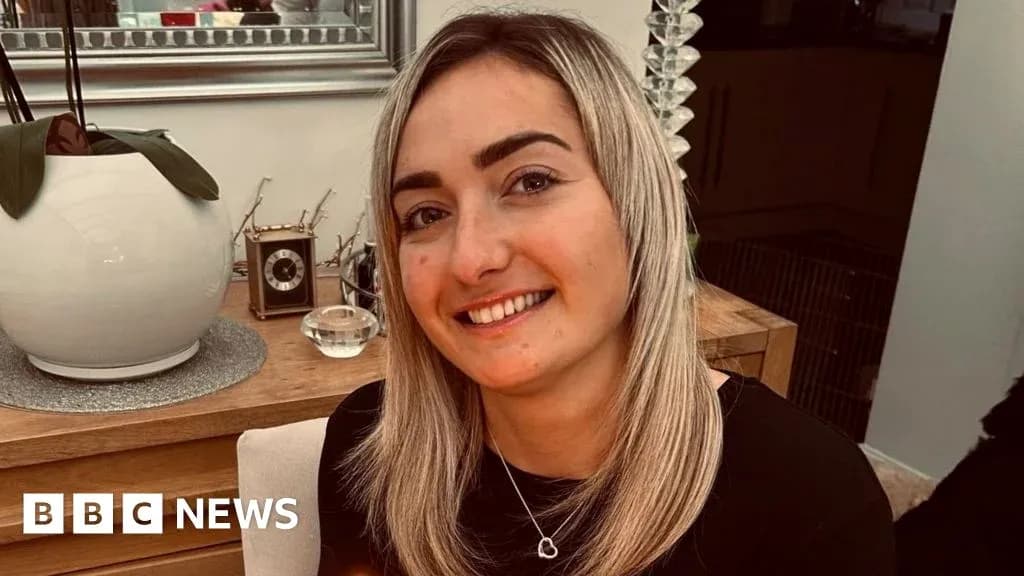
On a quiet bench in a village park, Maddy Cusack is still very much alive.
Her name is carved into the wood at Scargill Park in West Hallam, Derbyshire, where she grew up. Her sister Olivia and cousin Emily sit there often, talking about the girl who lit up their childhoods and, later, a football club.
To them, she is not a case file or a headline. She is “sunshine”. She is trouble. She is the one who had the ideas, then let someone else take the blame.
“I looked up to her my whole life,” Olivia says. Emily laughs as she remembers: “She used to get us in trouble with my dad. It was always her idea then I'd take the blame for it.”
Those memories carry them into a third year without her – and into another delay.
A family still waiting
Maddy, a midfielder for Sheffield United, was 27 when she was found unconscious at her home in Derbyshire on 20 September 2023. An inquest into her death opened in June this year and was expected to conclude in July.
It did not.
After a little under two weeks of hearings, the coroner adjourned the inquest. Sheffield United had been asked to provide documents linked to her medical records. Months later, the process is still on hold while the club searches for the material.
The pause means her family now face waiting until at least December to hear fresh evidence.
“It is very emotional and you can find yourself frustrated at times,” Olivia tells BBC Newsbeat. “They're very difficult days.” She calls the wait “extremely overwhelming”.
The inquest had already been delayed twice before it even began. Each new date brings hope. Each adjournment drags the family back into limbo.
Scrutiny and silence
Inside the courtroom, Maddy’s life has been examined in the starkest terms.
Evidence has detailed her struggles with mental health in the period before her death. The inquest has also heard about problems she had with Sheffield United coach Jonathan Morgan.
Morgan told the hearing he had “no concerns” about their relationship and insisted “things have not been portrayed factually or correctly with how she was feeling”.
Her wellbeing, her relationships, her state of mind – all pored over. Yet for Olivia, something vital has been missing.
“It dawned on me that when people were asked questions about Maddy and to share what she was like as a person, they were all very similar answers and quite focused on the football side of her,” she says.
“People don't seem to know her like we did – of course they don't. But I wanted to introduce a different side of Maddy. I wanted them to know more than the number on the back of her shirt or the colours that she wore on the football pitch.”
In a process dominated by the darkest moments of her sister’s life, Olivia feels the warmth, mischief and everyday joy of who Maddy was has slipped out of view.
More than the shirt
At Scargill Park, that side of her is everywhere.
This is where they played as kids, where they grew up together. Now it is where Emily comes when the birthdays roll around at the end of October – dates they once planned to share.
“We'd always planned to spend them together,” she says quietly. “Now I just come here.”
The bench has become a kind of anchor. A place to remember the girl who loved football but was never only a footballer.
Olivia has thrown herself into making sure that version of Maddy doesn’t disappear.
Along with other family members, she has set up a foundation in Maddy’s name to support aspiring female footballers. It is grief turned into structure, pain turned into opportunity for others.
“The foundation keeps me going,” she says. “It's been a real lifeline to be able to continue her story.”
On Saturday, that story moved along the roads between two places that defined Maddy’s life. Olivia organised a walk from Bramall Lane, Sheffield United’s home, to near Derby, where Maddy lived – almost 30 miles on foot.
“The aim with the walk is just to do her proud,” Olivia says. “Maddy would love that we were all challenging ourselves.”
Official reports, unfinished story
In the background, the formal processes grind on.
An external report commissioned by Sheffield United shortly after Maddy’s death cleared the club of wrongdoing.
A second investigation, this time ordered by the Football Association in early 2024, is complete but locked away. It will not be published until the inquest has finished.
So the family wait. For documents. For hearings. For answers that may never feel complete.
In the meantime, they cling to the one thing they can control: her name.
“She will only ever remain a part of this life if we keep saying her name and keep remembering her,” Olivia says.
“And as painful as that can be on days where you want to forget and you just want to stay in bed all day and not face the world, I try and make a conscious effort to keep saying her name and keep her living alongside us ultimately.”
The legal process will, eventually, reach its conclusion. The question is what English football will do with the story of Maddy Cusack once the courtroom falls silent.