Lexington Dominates San Antonio in USL Championship Clash
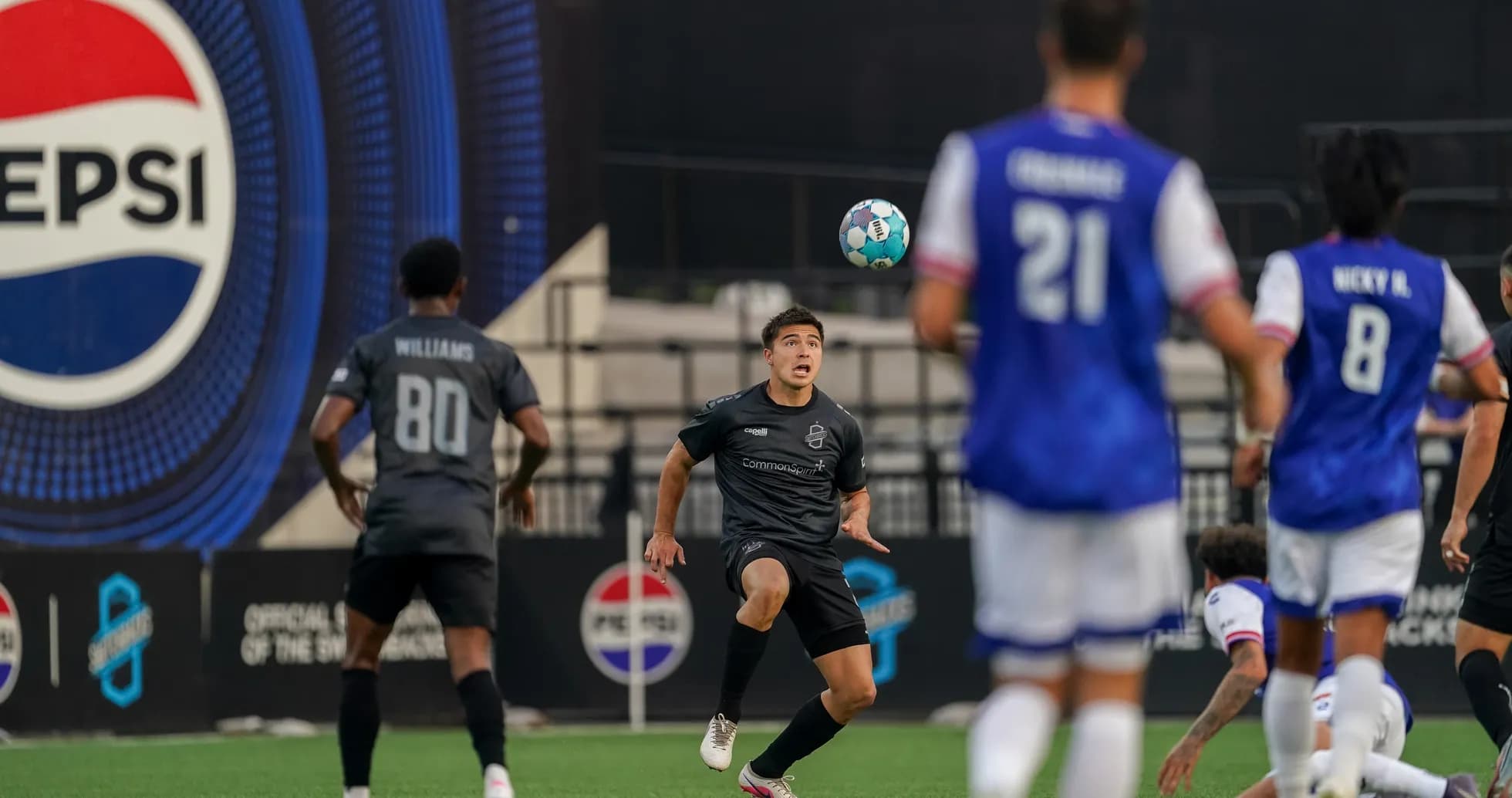
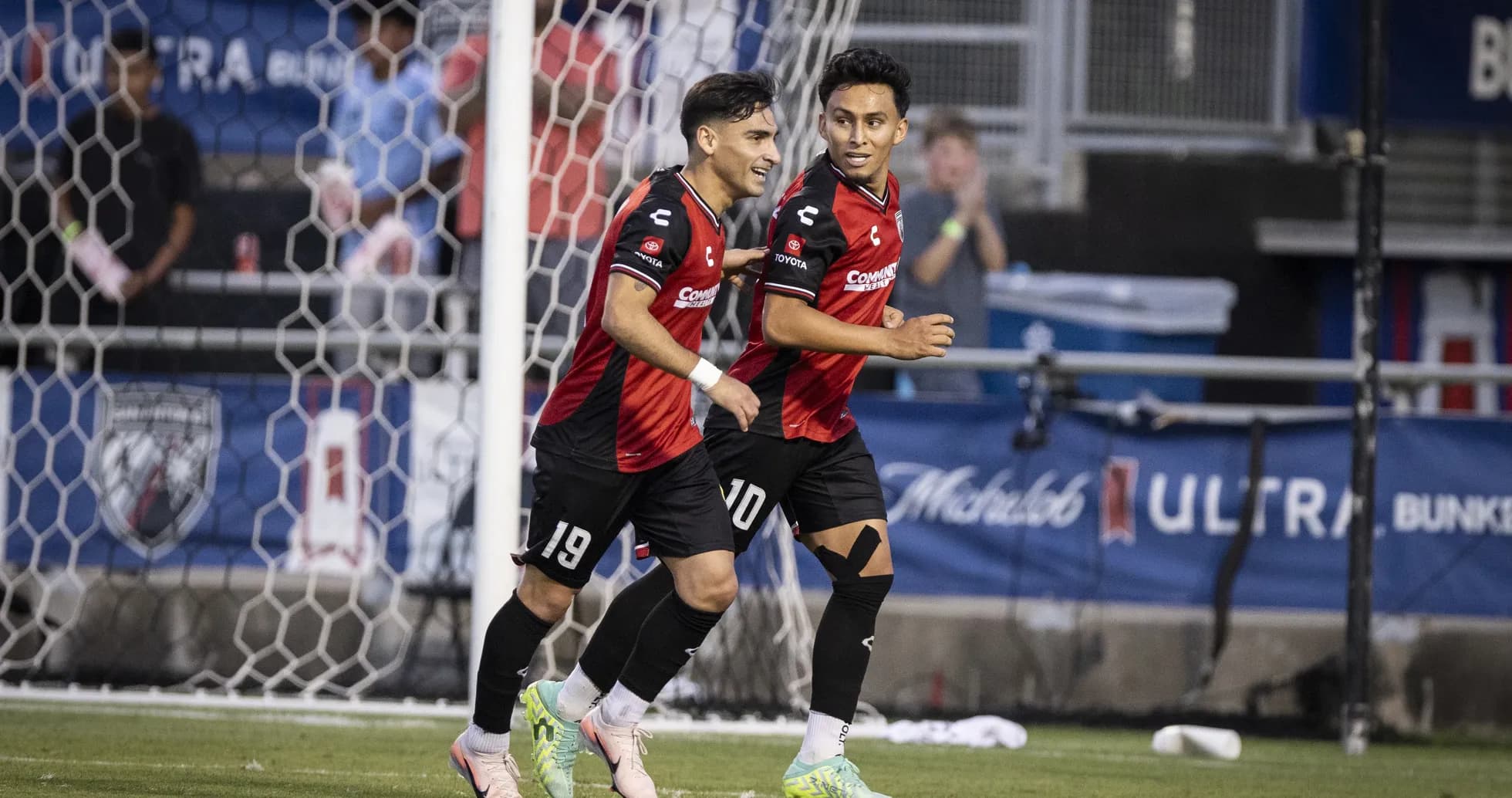
Under the lights at Toyota Stadium, Lexington’s 2–0 victory over San Antonio felt less like a group-stage skirmish and more like a statement in the USL Championship. Heading into this game, the table painted a clear hierarchy: San Antonio sat top of Group “USL 1” with 21 points from 13 matches, while Lexington were the chasers, eighth with 15 points from 12. The leaders arrived with the aura of a side hard to beat overall, but notably less convincing on their travels; Lexington, by contrast, have been quietly building a formidable home identity.
The season’s statistical DNA underlined that contrast. Heading into this game, Lexington were averaging 1.7 goals for at home and conceding just 1.0, a profile of a side that uses its own pitch as a platform for front-foot football without losing defensive discipline. San Antonio, meanwhile, were a paradox: strong in total and at home, but away they were scoring 1.1 goals on average while conceding 1.6, their only real vulnerability in an otherwise promotion-worthy campaign.
On the night, the script followed those underlying currents. Lexington leaned into their home efficiency, turned their 10 home goals in 6 matches into another multi-goal performance, and locked in a clean sheet that echoed their season trend of defensive control in front of their own supporters. For the league leaders, this was a reminder that their away fragility is not just a statistical quirk but a tactical problem waiting to be solved.
Tactical Voids and Discipline
With no official list of absentees, both coaches essentially had full decks to play with, and that freedom showed in the balance of their lineups. Masaki Hemmi built Lexington’s XI around a spine that has defined their season: O. Semmle in goal; the defensive core of X. Zengue, K. Burks, J. Brown and J. Greene; and a midfield axis anchored by B. Ferri and A. Molloy. Ahead of them, the creative and running power of A. Midence, Nick Firmino and M. Epps supported the focal point B. P. Rodrigues.
For San Antonio, Carlos Llamosa’s selection leaned on familiarity and structure: J. Batrouni between the posts, a back line featuring A. Ward, A. Souahy, M. Taintor and D. Barbir, with N. Blanco shielding. The attacking midfield and forward band of J. Hernandez, L. Berron, M. Maldonado, E. Cuello and C. Sorto was designed to stretch and press, consistent with a side that has scored 18 goals overall this campaign.
Disciplinary trends heading into this game added an undercurrent of risk, particularly for Lexington. Their yellow-card timing profile shows a clear late-game surge: 31.82% of their yellows arrive between 76–90 minutes, with another 22.73% between 61–75. That tendency to collect cards as fatigue and pressure rise could have been a fault line against a physically assertive San Antonio. They also carried the memory of an early red card this season, with 100.00% of their reds coming in the 0–15-minute window.
San Antonio’s own yellow-card distribution is more evenly spread but still spikes between 61–75 minutes (21.62%), then remains high in the 76–90 window (18.92%). This match was always likely to become increasingly scrappy as it wore on, and Hemmi’s bench — with the energy of L. Blessing, the pace of M. Adedokun and the defensive cover of A. Ordonez and J. Hafferty — gave him tools to manage that risk and keep intensity high without losing control.
Key Matchups – Hunter vs Shield, Engine Room
Without official top-scorer data, the “Hunter vs Shield” battle had to be read through roles rather than raw tallies. For Lexington, the attacking trident of Epps, Midence and Rodrigues represented the hunters. Their task: turn Lexington’s strong home scoring average into tangible chances against a San Antonio defence that, on their travels, had already conceded 11 goals in 7 outings.
San Antonio’s “shield” was anchored by centre-backs A. Souahy and M. Taintor, with N. Blanco screening. Away from home, this unit has not replicated its solidity from San Antonio, where they concede just 0.8 goals on average. The 2–0 scoreline suggests Lexington successfully isolated those defenders, forcing them into uncomfortable spaces and exploiting the gaps that have been evident in San Antonio’s away data all season.
In the “Engine Room”, the duel between Lexington’s Ferri–Molloy axis and San Antonio’s central trio of Blanco and the technically adept J. Hernandez and E. Cuello was decisive. Lexington’s season-long pattern — 17 goals for and 15 against overall, with a positive goal difference of 2 — reflects a side that tries to keep games balanced in midfield rather than chaotic. Ferri’s metronomic passing and Molloy’s work rate likely tilted the central corridor in Lexington’s favour, limiting San Antonio’s ability to progress cleanly into the final third.
The benches offered contrasting tactical vectors. For Lexington, [IN] Blessing replacing one of the advanced midfielders would inject pressing energy; [IN] Adedokun replacing a wide player would threaten tired legs late on. For San Antonio, [IN] L. Haakenson or [IN] N. Hernandez replacing one of the attacking midfielders would be the logical gambit to chase the game, while [IN] R. Buckmaster could add defensive stability if they were protecting a result — a scenario that never materialised.
Statistical Prognosis and What It Tells Us
From a statistical standpoint, Lexington’s win aligns almost perfectly with the underlying trends that framed this fixture. Heading into this game, Lexington’s home profile — 3 wins from 6, 10 scored, 6 conceded — pointed to a side more than capable of matching and even outplaying top opposition at Toyota Stadium. San Antonio’s away record — 1 win, 4 draws, 2 losses, 8 for and 11 against — suggested vulnerability in precisely the environment Lexington thrive in.
In xG terms (even without explicit numbers), the expectation was of a relatively balanced game tilted slightly towards the home side due to their attacking efficiency and San Antonio’s away concessions. A 2–0 outcome fits a scenario where Lexington convert a solid share of their chances while limiting San Antonio to low-quality looks, consistent with Lexington’s 4 total clean sheets this season and San Antonio’s tendency to fail to score in away fixtures (4 times overall).
Following this result, the narrative tightens at the top of “USL 1”. Lexington have validated their promotion credentials by dismantling the league leaders in exactly the kind of match where season arcs bend. San Antonio remain a formidable force, but their away fragility is now a tactical problem that opponents will circle in red.
For Lexington, the blueprint is clear: protect Toyota Stadium as a fortress, keep the Ferri–Molloy engine humming, and let the fluid front line of Midence, Firmino, Epps and Rodrigues continue to turn a strong statistical base into decisive, scoreboard-shifting moments.