Jürgen Klopp's Bold Start as Germany Head Coach
Jürgen Klopp’s first squads as Germany head coach arrived with a jolt rather than a gentle introduction: 44 players, split into two separate groups, and a clear statement that nothing about this new era will be timid.
The Nations League fixtures against the Netherlands, Serbia and Greece have given Klopp room to experiment. He has taken it. Sixteen uncapped players are in the mix, a wave of fresh faces that underlines how far he is prepared to go to reshape a side still reeling from a World Cup last-32 exit to Paraguay that prompted Julian Nagelsmann’s resignation.
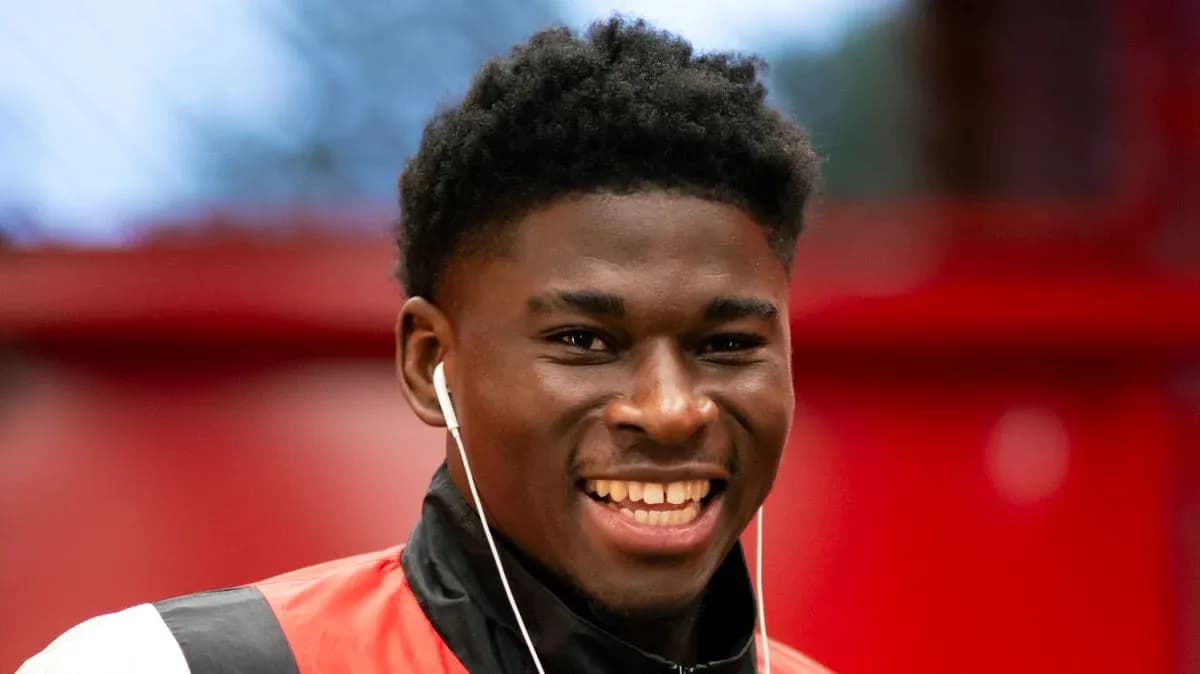
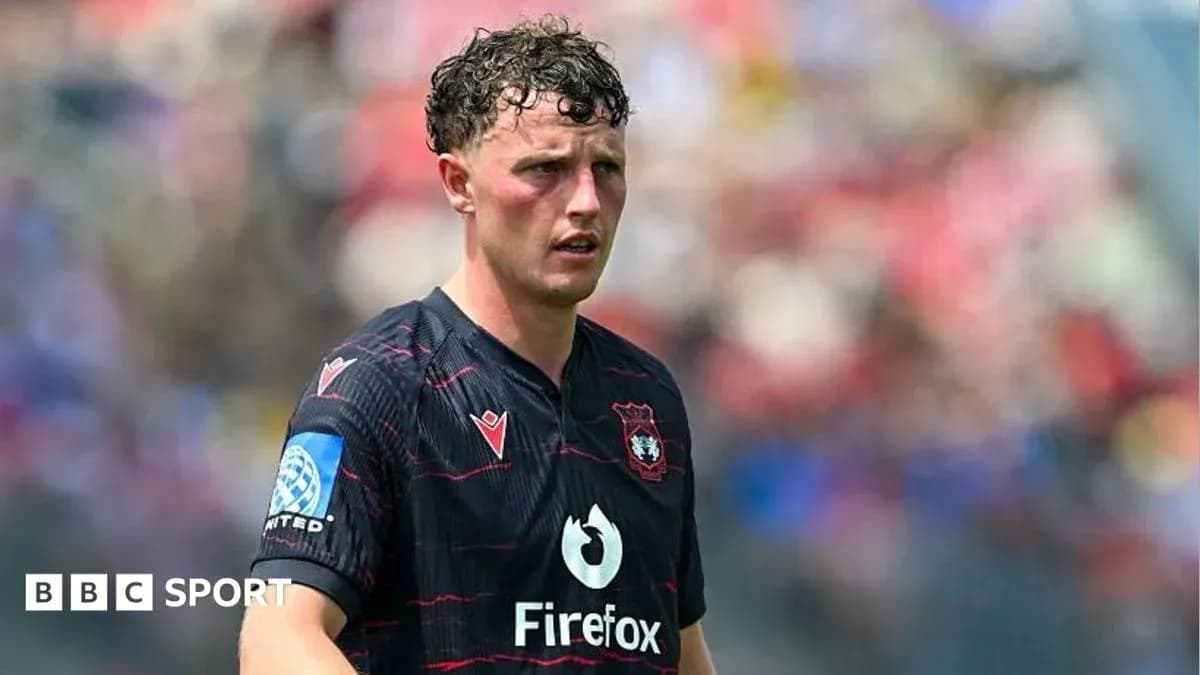
From Köln comes Said El Mala. Freiburg contribute Max Rosenfelder, Philipp Treu and Derry Scherhant. Celtic midfielder Mika Baur also steps onto the international stage for the first time. For all of them, this is a door into a very different Germany setup.
There were hard calls, too. Stuttgart forward Deniz Undav, one of the Bundesliga’s most dangerous attackers last season, has been left out, with Klopp putting that down to fitness concerns. No drama, just a firm line.
One long-running debate has been settled. Joshua Kimmich, the captain, will play in midfield. Under Nagelsmann he often found himself shunted to right-back. Under Klopp, the message is simple: Kimmich is the heartbeat, not the auxiliary.
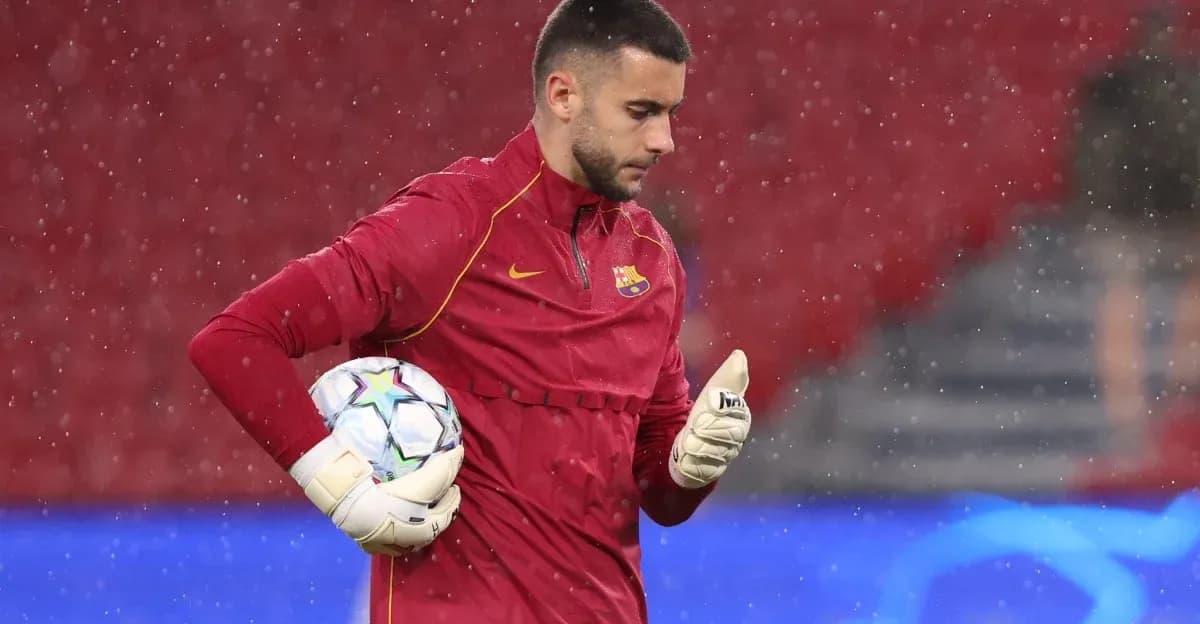
In goal, there is no ambiguity. Marc-André ter Stegen, on loan at Ajax from Barcelona, has been confirmed as first-choice goalkeeper. Behind him, familiar names resurface. Karim Adeyemi returns. So does Leeds United midfielder Anton Stach and Brentford forward Kevin Schade, both handed another chance to nail down roles in a squad that suddenly feels open and competitive.
Klopp has divided his 44-man pool with purpose.
The first squad will tackle the opening two games: the Netherlands in Amsterdam on Thursday, September 24, then Greece in Augsburg three days later on September 27. The second group comes in for Serbia in Munich on October 1 and the return meeting with Greece, this time in Thessaloniki, on October 4. Four matches, two squads, one coach intent on seeing as many options as possible under real pressure.
Yet for all the tactical intrigue, it was a baseball cap that cut through the noise.
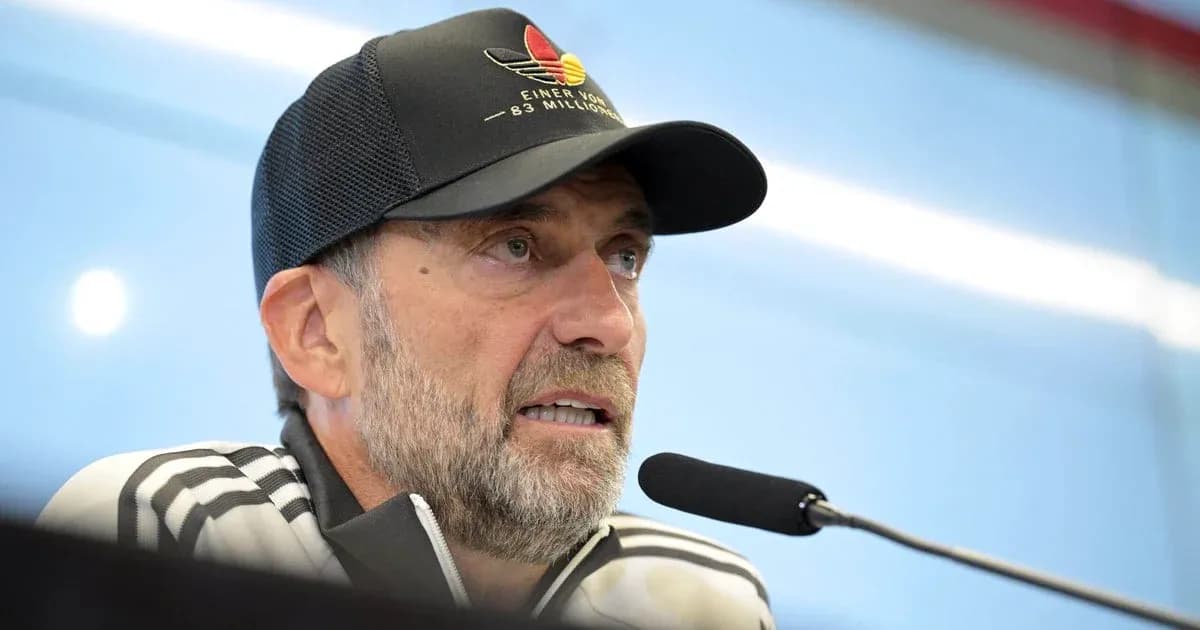
Klopp arrived at his press conference wearing a cap emblazoned with the words “one of 83 million” in the colours of the German flag. It was not a fashion choice. It was a message.
Germany is in a fractious mood. The far-right Alternative für Deutschland (AfD) has surged, winning over 43 per cent of the vote and a majority in the recent Saxony-Anhalt state election. That result did not come out of nowhere. The AfD’s anti-immigration, nationalist rhetoric has been gaining traction for years, particularly in regions hit hard by industrial decline, and no longer just in the former East.
Klopp chose his moment to push back.
Asked about the cap, he spoke about joy, unity and the flag itself. He talked of wanting people to feel “happy and fortunate” to live in Germany, of reclaiming national symbols from those who would twist them, and of not leaving “national pride to the wrong people”. Football, he argued, should help create a sense of community, an atmosphere people want to step into and own.
That message lands in a country wrestling with what patriotism is allowed to look like. The legacy of National Socialism still hangs over every flag, every anthem, every public display of pride. As Germany becomes more diverse, those symbols are contested, reinterpreted, sometimes hijacked.
Klopp’s cap walked straight into that tension. “One of 83 million” is a reminder and a challenge: the idea that the national team belongs to everyone, not just the loudest or angriest voices.
Germany is a federal state, a patchwork of regions with distinct identities and competing visions of what the country should be. That fragmentation is now playing out in its politics and its streets. It will also, inevitably, play out around its football team.
Klopp has started by overhauling his squads and staking out where he stands. The real test comes next: can he turn those 44 names, and that simple slogan on a cap, into a team and a mood that a divided nation is willing to rally behind?