Jamal Musiala's Health Scare: Seizures and Recovery Plan
Jamal Musiala’s latest scare did not come from a crunching tackle or a twisted ankle. It came in a quiet, chilling moment when the Bayern Munich playmaker simply went down.
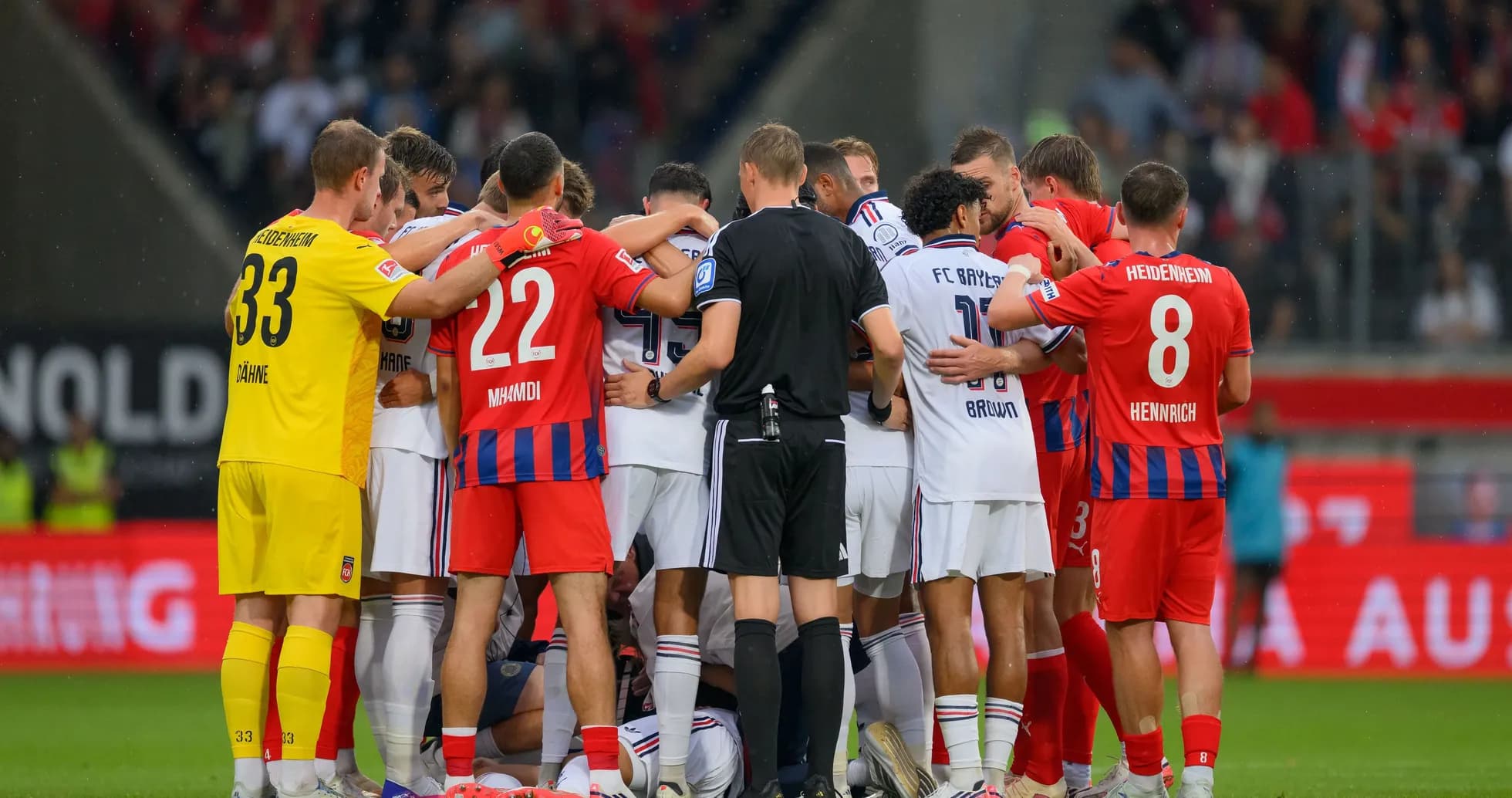
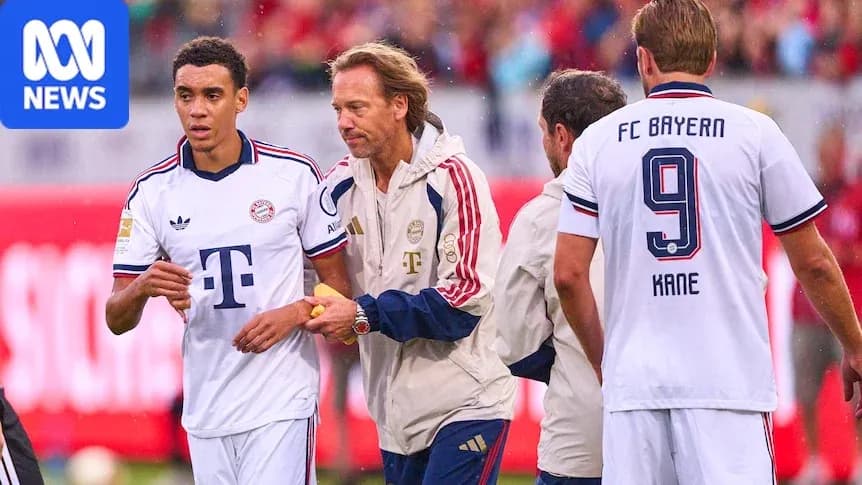
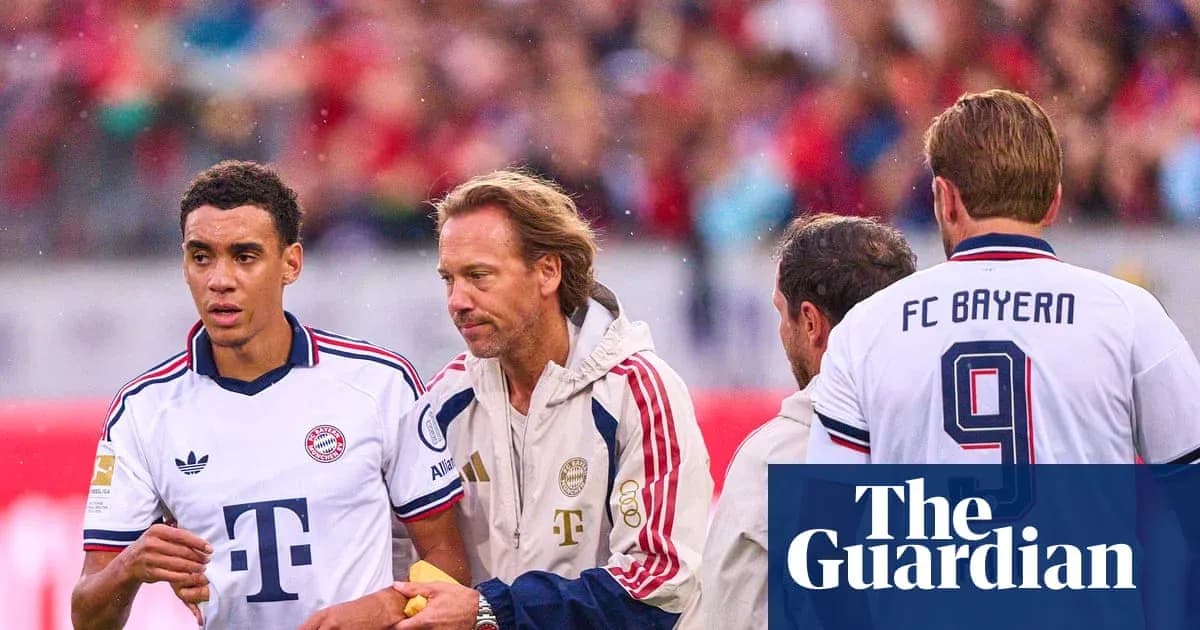
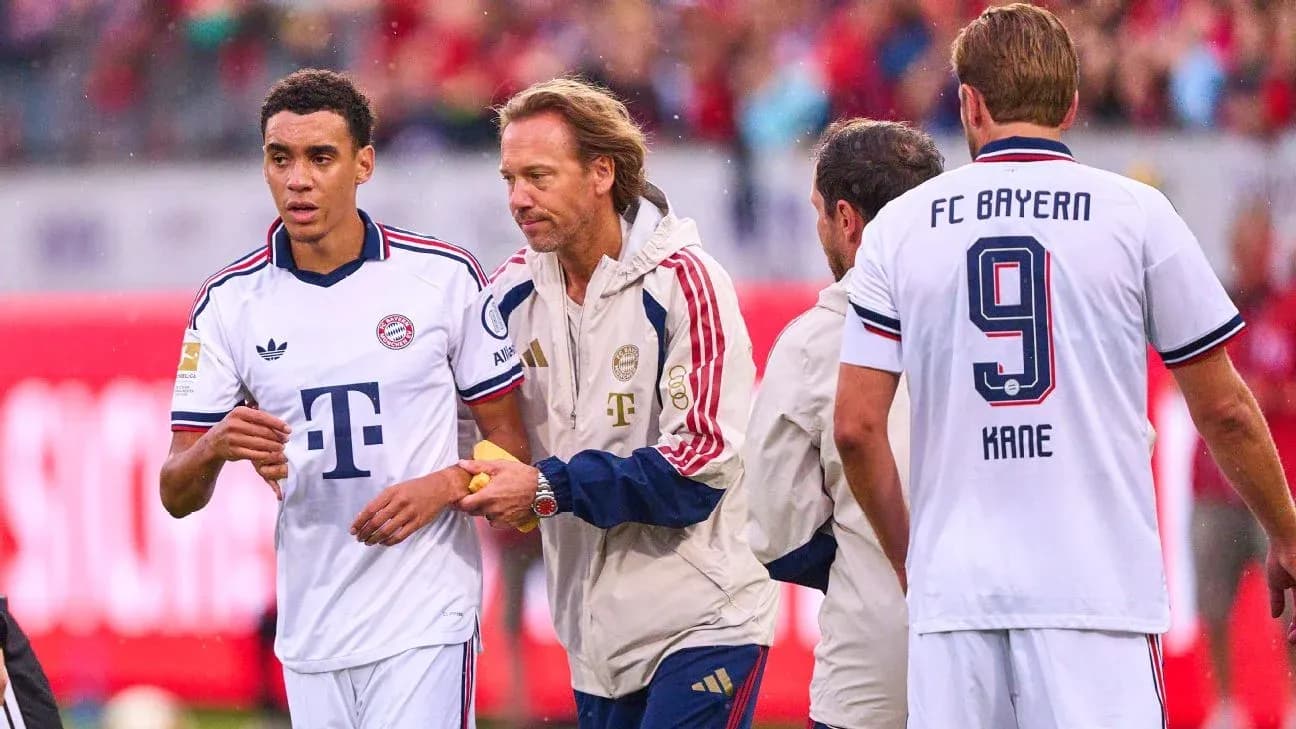
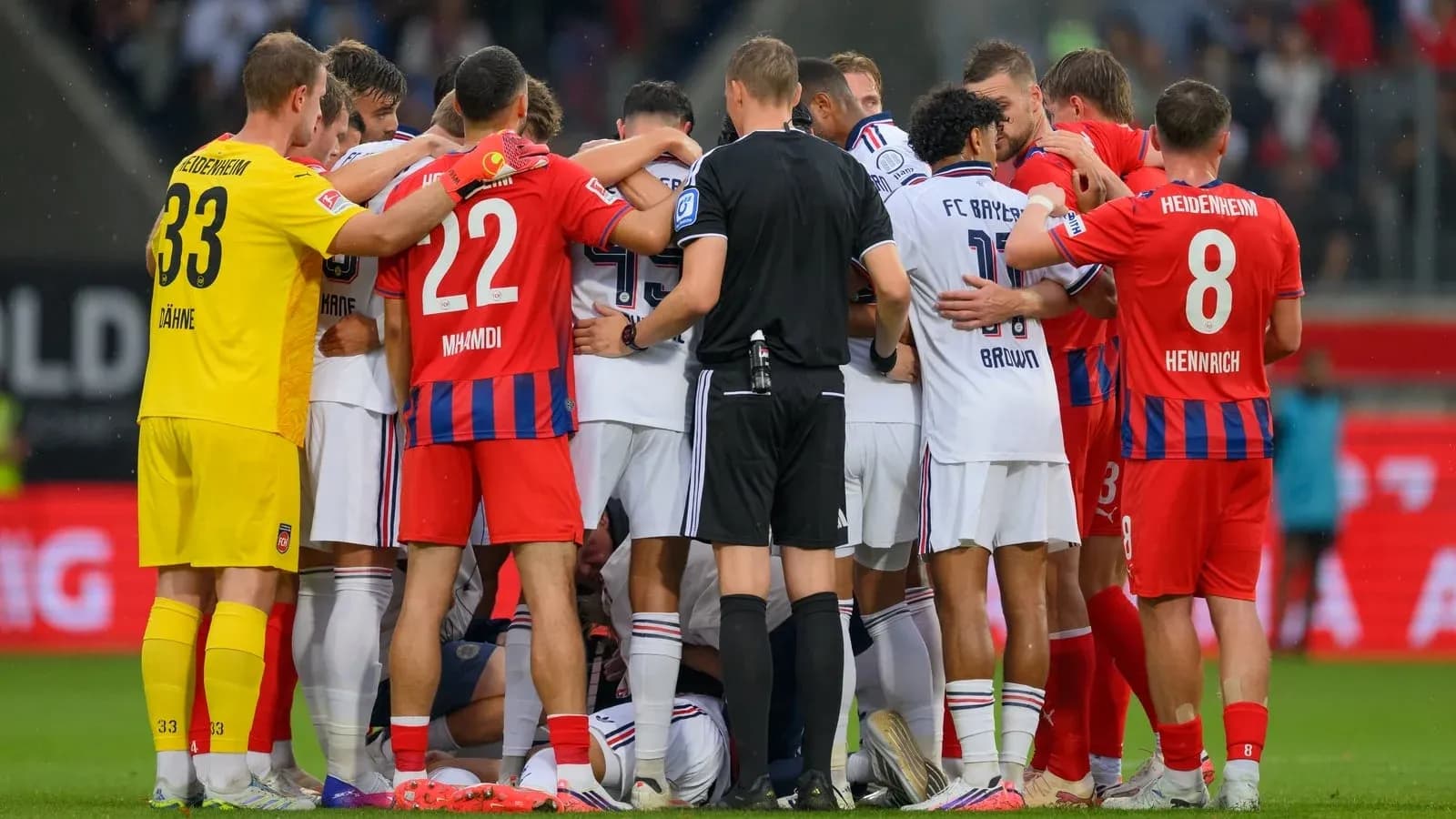
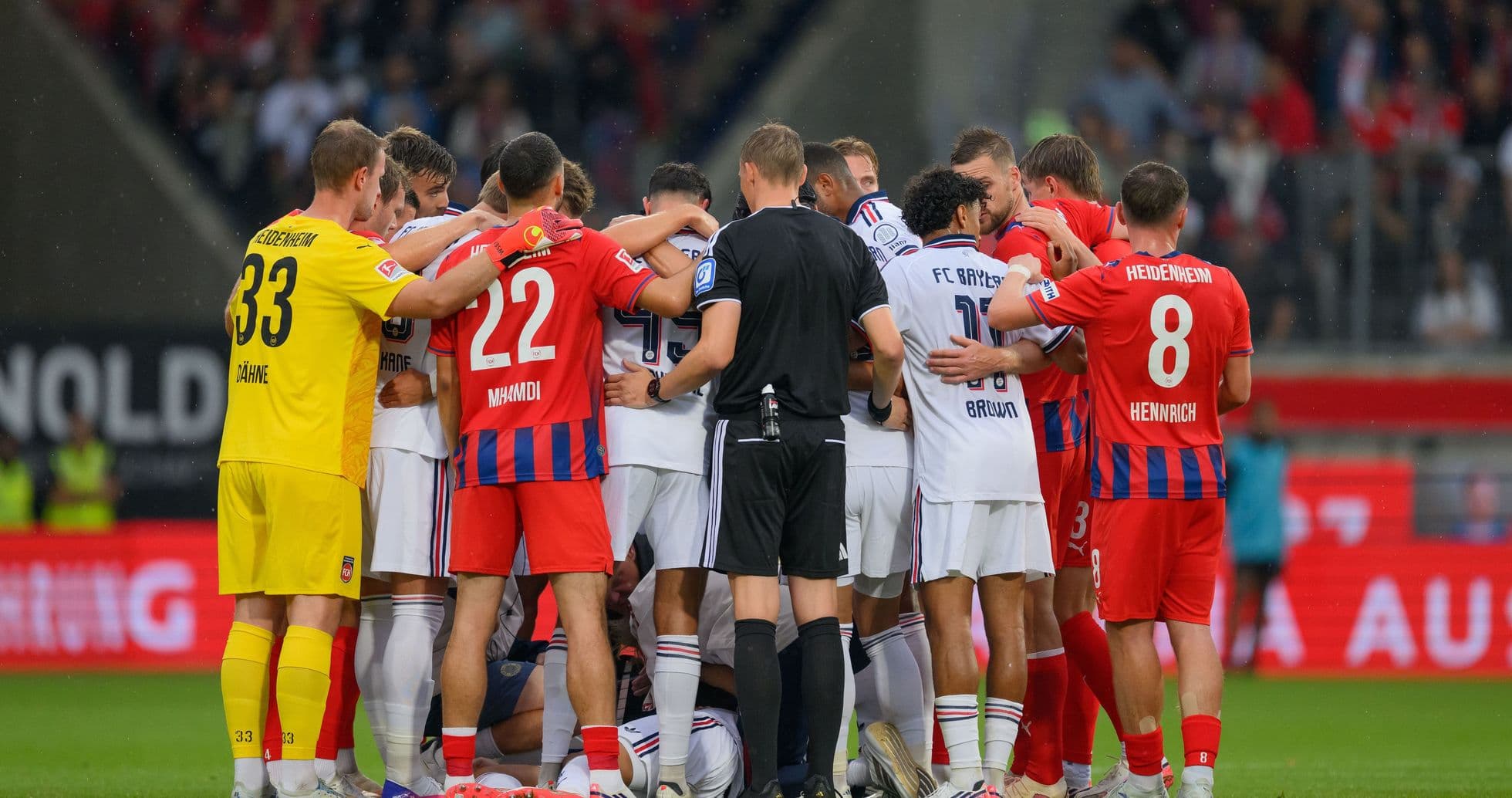
In a pre-season friendly win over Heidenheim, the 23-year-old suddenly collapsed on the pitch – the second such incident in just four days after a similar episode against RB Leipzig. He looked dazed, unsteady, and needed immediate medical attention before being helped from the field. For a player so often the picture of fluid movement and control, the sight was jarring.
Bayern reacted quickly. Sporting director Max Eberl made it clear the club is fully across the situation and throwing its support behind Musiala as doctors work through the details. The player himself then broke his silence, revealing he has been diagnosed with temporary, brief absence seizures linked to a neurological dysfunction.
The diagnosis prompted wider scrutiny in Germany. BILD sought expert opinion from Prof. Christoph Kleinschnitz, head of neurology at the University Hospital Essen, to help explain what might be happening.
“From a neurological perspective, this could potentially be an epileptic seizure. It could be a form of absence epilepsy, as symptoms such as brief periods of unresponsiveness are consistent with it,” the leading neurologist said. He stressed that a firm conclusion depends on the full results of Musiala’s neurological tests, but his message carried a crucial reassurance.
“It is highly treatable, but would require long-term therapy. Musiala can continue playing football.”
That final line will echo loudly around Säbener Straße. Bayern’s No. 10 is not just a star name; he is central to the club’s plans to reclaim domestic dominance and push deep in Europe. The club needs him fit. Musiala needs stability.
This is all unfolding after a brutal run of physical setbacks. The Germany international missed a large portion of the 2025-26 season after a devastating combination of injuries at the Club World Cup against Paris Saint-Germain: a fractured fibula alongside a dislocated and broken ankle. Those orthopaedic problems alone demanded a long, painstaking rehabilitation.
Now, as he tries to build rhythm and confidence after that lay-off, he must also manage a newly diagnosed neurological condition. The challenge is obvious: balance the demands of elite football with a treatment plan that will likely stretch over years, not months.
The mood around the case, though, is not one of doom. Medical experts remain confident that, with proper long-term therapy and close monitoring, Musiala’s career does not have to be derailed. The player has spoken optimistically about his daily routine and his ability to live – and play – with the condition.
Inside Bayern, the focus is already shifting from fear to planning. Can he be ready for the start of the new campaign? How quickly can he be reintegrated without taking unnecessary risks? As the club lines up another assault on silverware in every competition, the hope is clear: their creative hub, their No. 10, back in full flow rather than easing his way in.
Around him, the support network is strong. Bayern, his family, and close friends are firmly in his corner as he navigates treatment and adapts to the diagnosis. The medical staff will decide when the time is right.
Until then, one question hangs over the season ahead: when Musiala finally steps back onto the pitch with the green light, how quickly will he remind everyone why Bayern are so desperate to build their future around him?