Is Harry Kane the Last of England’s Great Strikers?
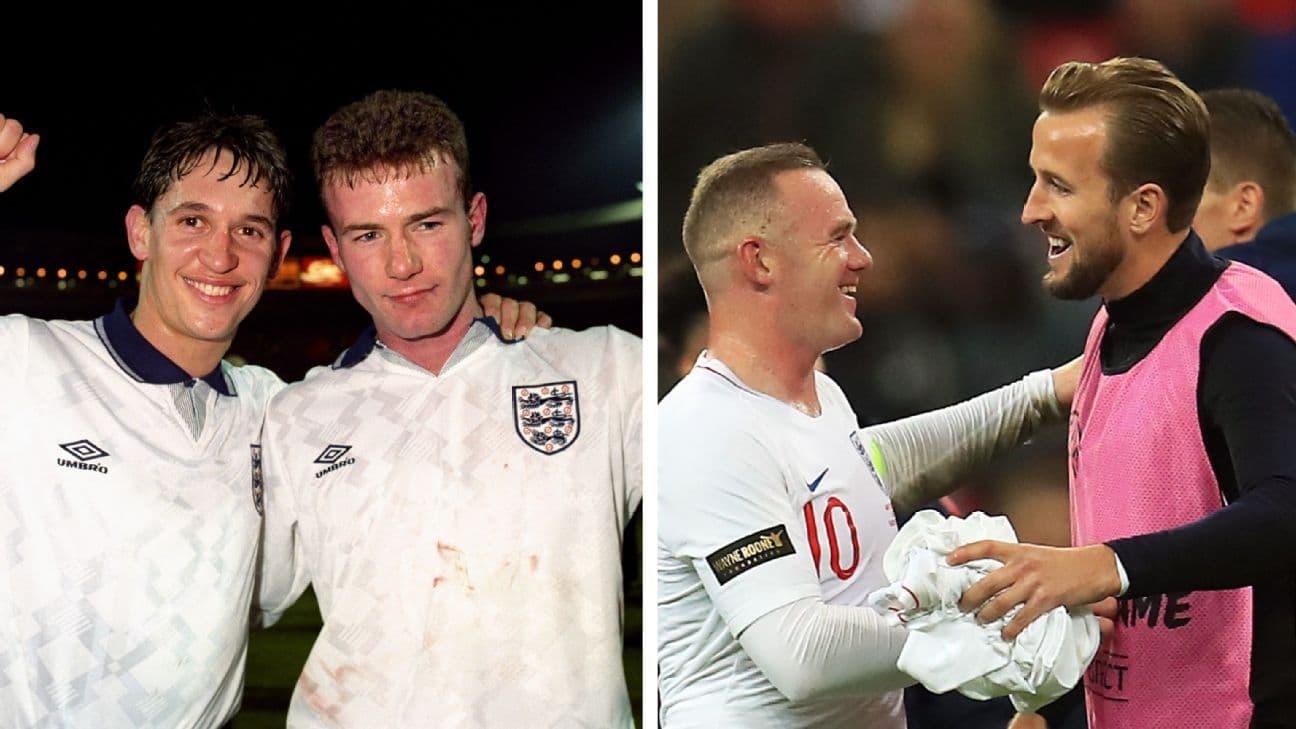
For over four decades, England has enjoyed a steady stream of world-class strikers wearing the Three Lions jersey. From Gary Lineker to Wayne Rooney, and now Harry Kane, the country has rarely lacked a dominant No. 9. Yet, with Kane approaching his mid-thirties, questions arise about who will take up the mantle once he steps away.
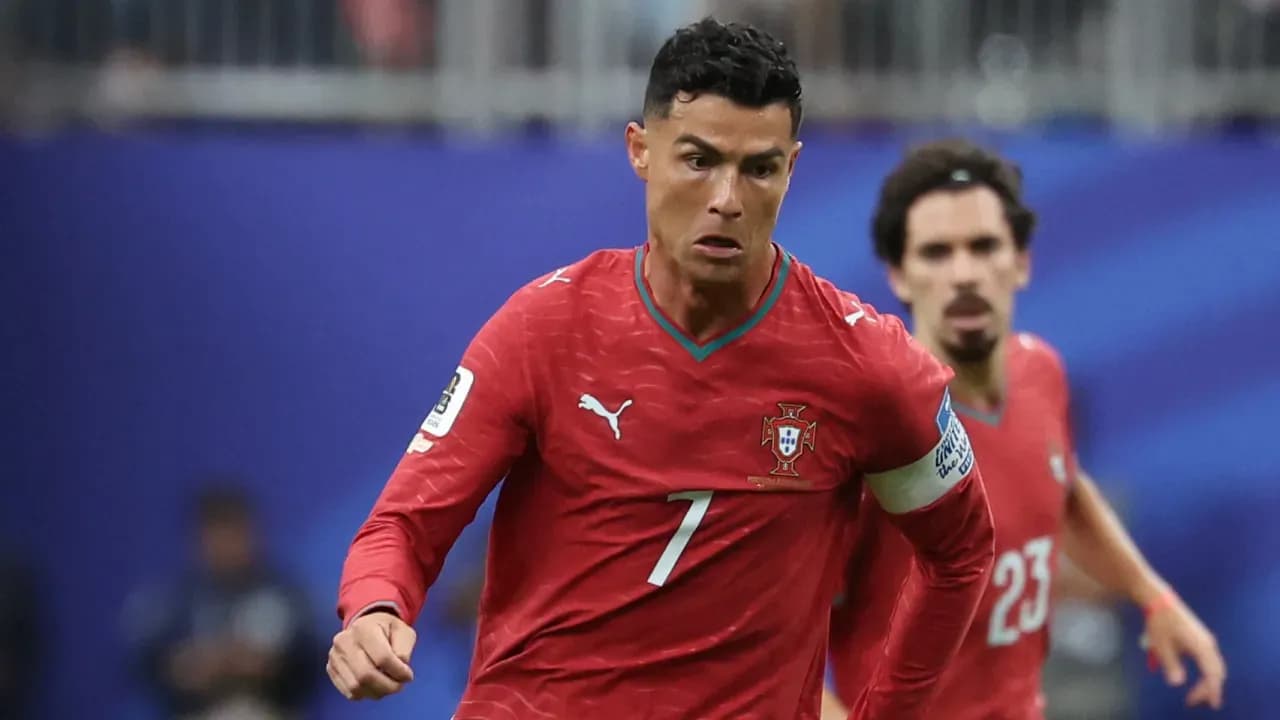
This summer, Kane carries the heavy expectations of an entire nation at the World Cup in 2026. At 32 years old, it is likely his final tournament as England's captain and leading striker. Recent matches without him have shown just how much his absence is felt, with England appearing "lost and confused" during a draw with Uruguay and a defeat against Japan.
Since May 26, 1984, when Gary Lineker replaced Tony Woodcock in a match against Scotland, England has had one or more elite forwards at every major tournament they qualified for. This unbroken chain—featuring Lineker, Alan Shearer, Michael Owen, Rooney, and Kane—has shaped the team’s identity for 42 years.
These strikers have collectively scored 249 international goals, earned two World Cup Golden Boots, eleven top-flight Golden Boots, and multiple Player of the Season honors. Their presence allowed managers to build tactics around a reliable goal scorer, often freeing up focus on other areas of the squad.
Supportive Strikers Behind the Stars
Besides these headline names, dependable forwards like Teddy Sheringham, Les Ferdinand, Ian Wright, Robbie Fowler, Emile Heskey, Jermain Defoe, and Peter Crouch have contributed valuable depth. Heskey recalls how playing alongside stars like Rooney meant adapting to new roles on the pitch, focusing on creating space rather than just scoring goals.
"When I played with Wayne Rooney, I know: 'Wayne doesn't want to play up front. Wayne wants to get on the ball so I'm actually a lone striker. I've got to figure out how I create space for Wayne to get on the ball.' It's always challenging me," Heskey said.
How Other Nations Compare
England's consistency in producing top strikers is impressive, but France comes close with talents such as Jean-Pierre Papin, Eric Cantona, Thierry Henry, David Trézéguet, Karim Benzema, and Kylian Mbappé. Their successes include World Cup wins in 1998 and 2018. Spain, meanwhile, has excelled in midfield brilliance spanning decades, from Pep Guardiola to Pedri and Gavi.
Italy boasts a long history of legendary center-backs like Gaetano Scirea and Paolo Maldini, though their recent failure to qualify for the last three World Cups signals the end of that era. These sustained runs of excellence in specific positions have often defined national team identities and tournament outcomes.
The Post-Kane Dilemma
Kane’s recent move to Bayern Munich has seen him thrive with 95 goals in 93 Bundesliga games, cementing his status among the club’s best. But his departure from the Premier League highlights a shortage of English strikers hitting double figures in goals. Only Ollie Watkins, Dominic Calvert-Lewin, and Danny Welbeck scored 10 or more Premier League goals this season—a joint-record low.
Veteran strikers are unlikely to outlast Kane, leaving the younger generation with big shoes to fill. Yet, prospects look thin. Lee Carsley named only two forwards, Liam Delap and Jay Stansfield, in his latest England under-21 squad, with Delap struggling in his first Chelsea season.
Since the Premier League began in 1992-93, the influx of foreign talent and the rise of wide, goal-scoring forwards has shifted the spotlight away from traditional strikers. Players like Marcus Rashford and Raheem Sterling exemplify this trend. Still, there are signs of change, with players such as Erling Haaland, Viktor Gyökeres, and Alexander Isak bringing pace and power back to forward roles.
Changing Times, Changing Roles
It’s easy to forget that Rooney once seemed like the last of a line before Kane emerged to reshape England’s attack. Emile Heskey suggests that chasing the next Kane might not be the right approach. Instead, football evolves, and new styles replace old ones.
"We never got another Michael Owen, we never got another Wayne Rooney, we never got another Alan Shearer. We just changed the canvas," Heskey said.
As Kane leads England into the 2026 World Cup, the future beyond him remains uncertain. Whether the next era of England strikers will rise quickly or take time to develop, the legacy of those who came before sets a high bar.