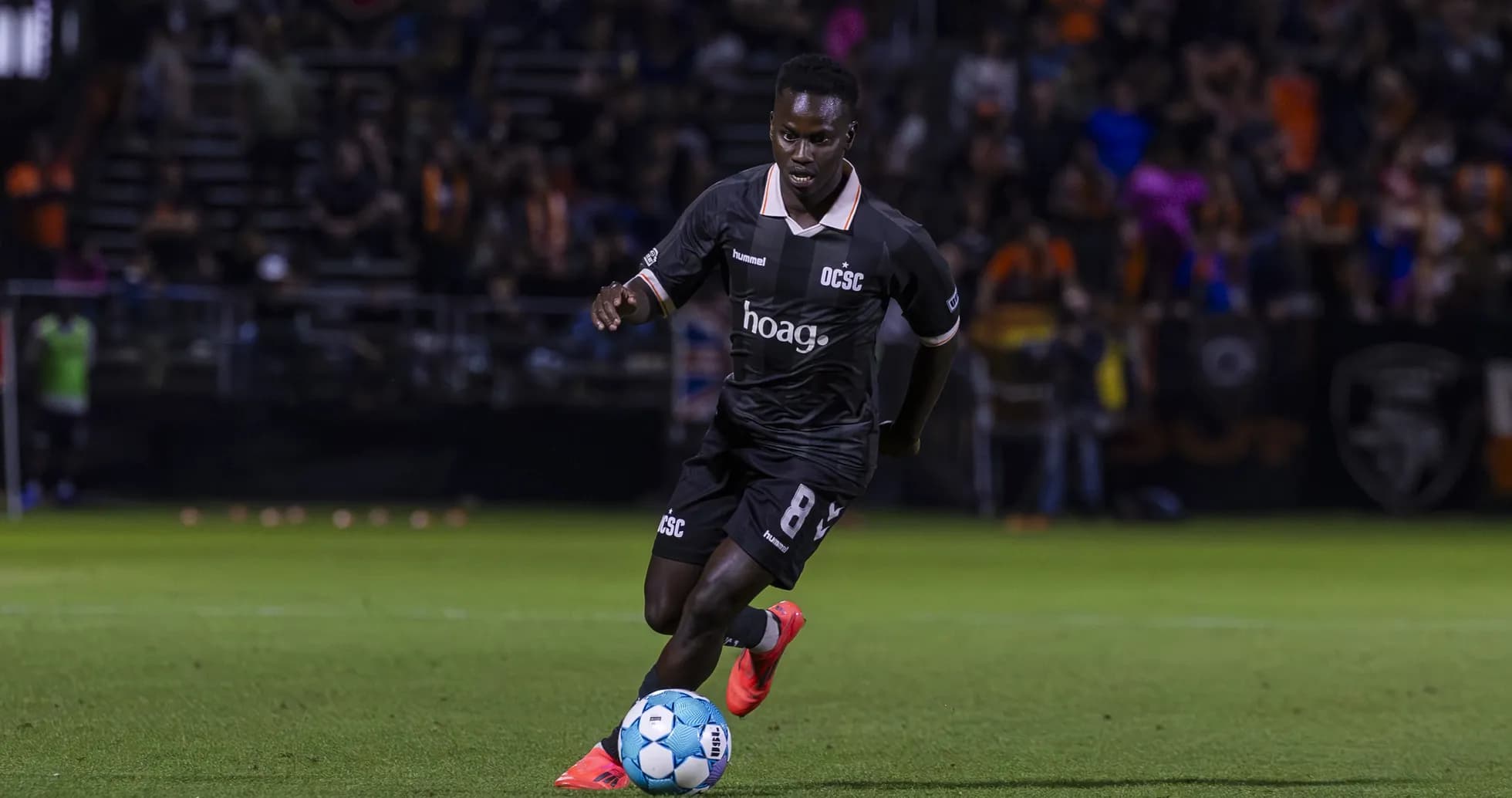
FC Tulsa vs Colorado Springs: A Clash of USL Championship Strategies
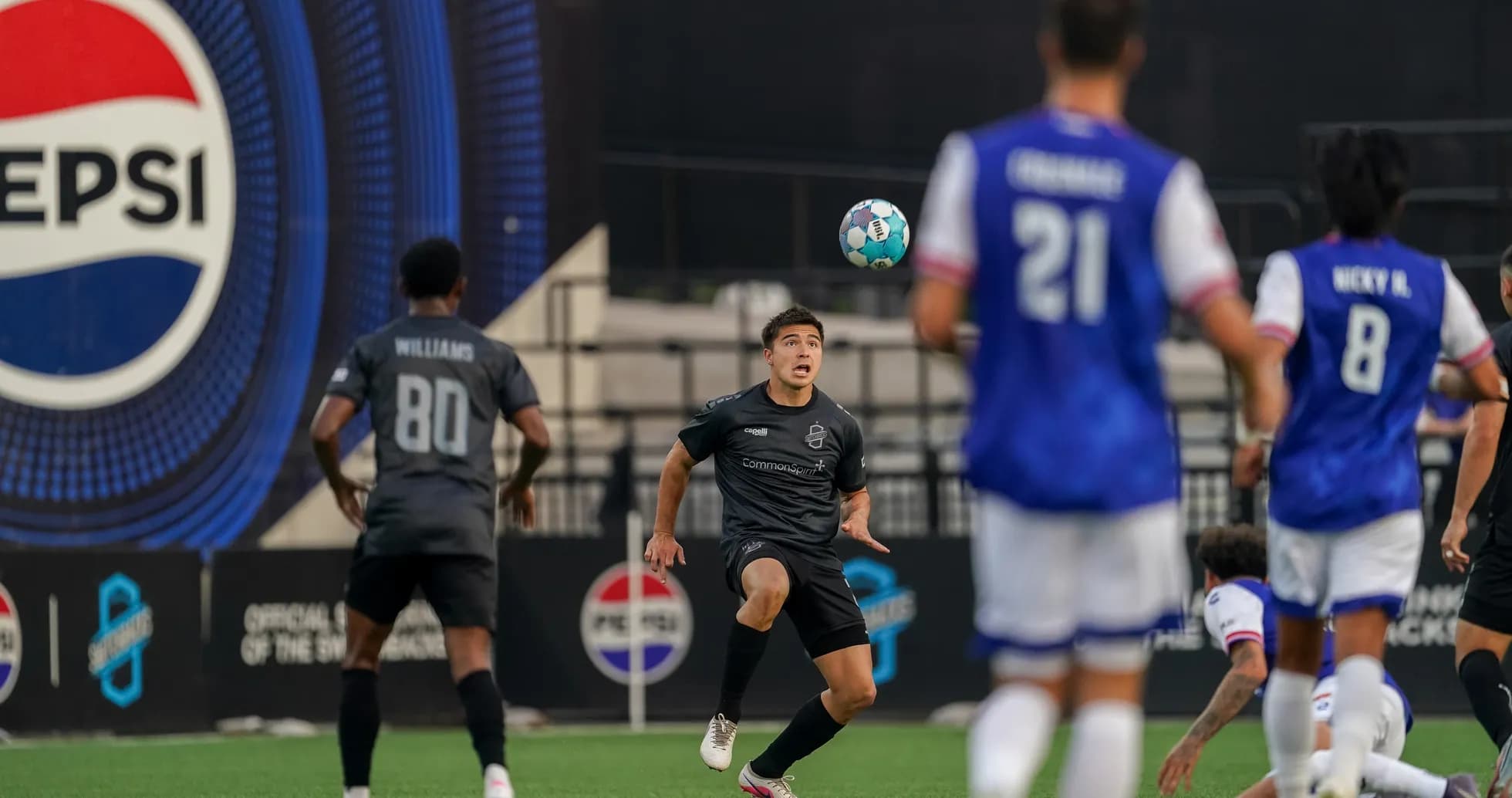
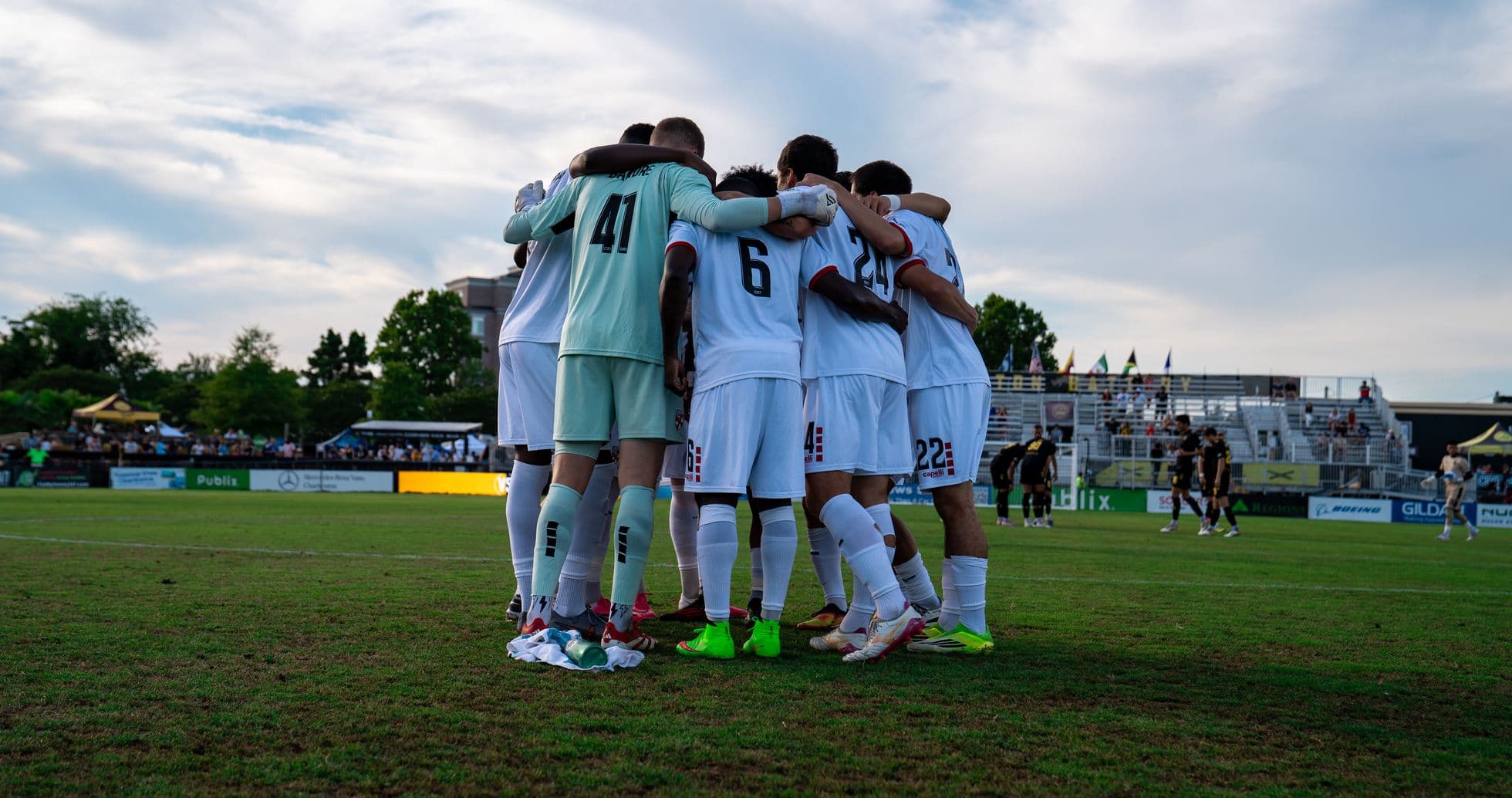
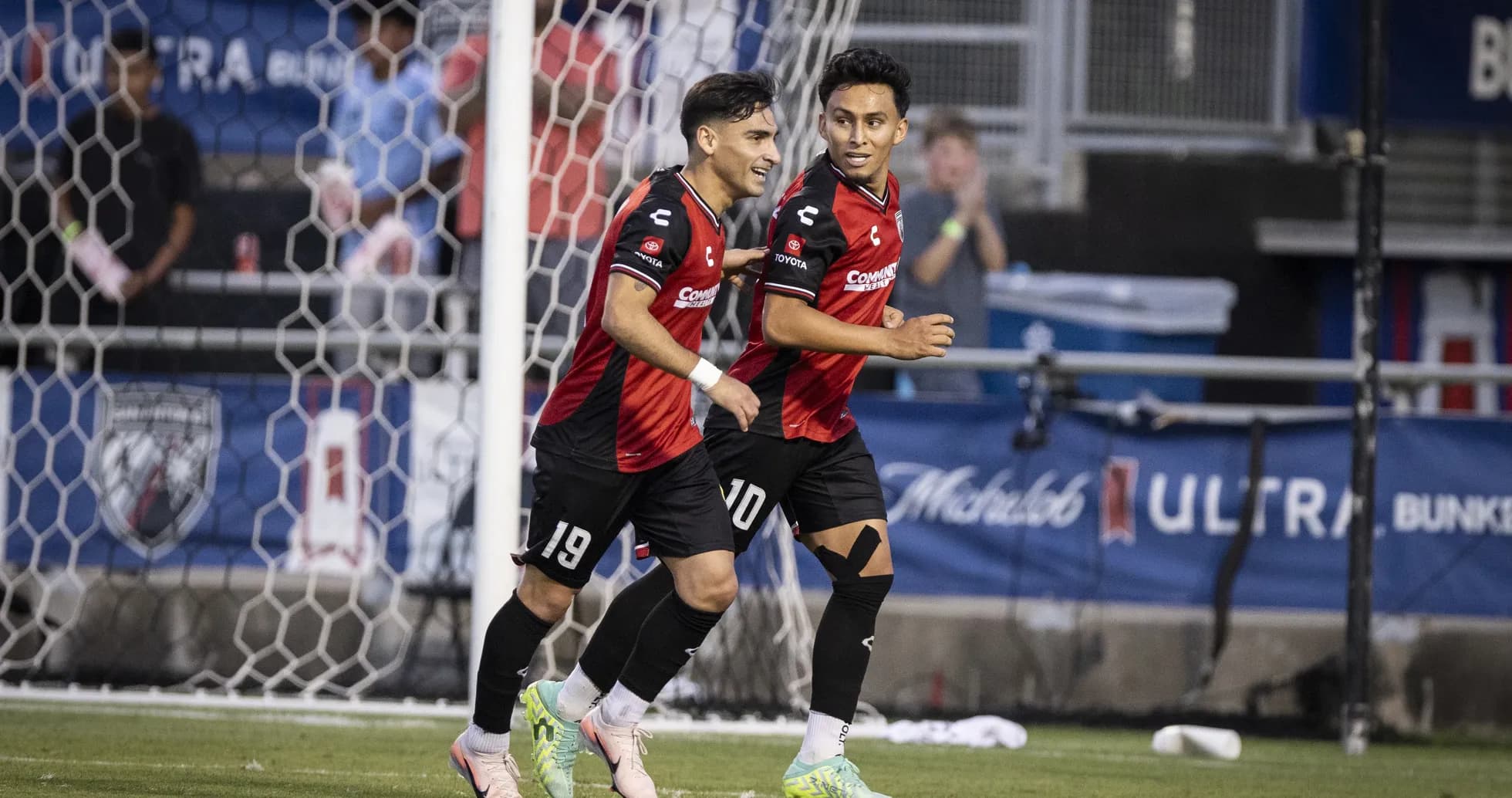
Under the lights at ONEOK Field, a night that began as a statement of FC Tulsa’s top‑four credentials ended as a reminder of how thin the margins are in the USL Championship. Luke Spencer’s side struck first and led 1–0 at half-time, only for Colorado Springs to flip the script after the break and walk away 2–1 winners in regular time.
Following this result, the table context is stark. FC Tulsa had arrived in this Group Stage clash sitting 4th in USL 1 with 19 points, built on a narrow overall goal difference of +1 (17 goals for, 16 against). At home they had been controlled and efficient: 7 matches played, 3 wins, 2 draws, 2 defeats, with 9 goals scored and just 6 conceded. Colorado Springs, 7th with 16 points and also a +1 goal difference (20 for, 19 against), came in as one of the division’s more volatile outfits, scoring freely but conceding at a rate that made every game feel open. On their travels they had played 7 times, winning 2, drawing 2 and losing 3, scoring 10 and conceding 12.
In total this campaign, FC Tulsa’s identity has been built on balance rather than fireworks: 13 matches, 5 wins, 4 draws, 4 defeats, averaging 1.3 goals scored and 1.2 conceded per game overall. Colorado Springs, by contrast, are unapologetically front‑foot: over 12 matches they average 1.7 goals scored and 1.6 conceded, with a perfect 5‑from‑5 record from the penalty spot underscoring their ruthlessness in decisive moments.
Tactical Voids and Discipline
Neither side’s absentee list is documented, so the story is written through who did play rather than who was missing. Spencer rolled with an experienced spine in A. Tambakis in goal, A. Cissoko and L. Batista among his defensive options, and a creative cluster in G. Colli, J. Webber and K. Elmedkhar supporting R. Cabral. The bench hinted at flexibility rather than star power, with options like L. Dorsey, L. Stauffer and J. Kocevski available to alter the tempo or shore up the flanks.
Alan McCann’s Colorado Springs arrived with a line-up that matched their statistical profile: C. Shutler as the last line, a defensive group including P. Burner, T. Maples and M. Mahoney, and a midfield built to run and bite through D. Williams and B. Creek. Higher up, the technical craft of A. Perez and the movement of J. Tejada, J. Fjeldberg and K. Bennett signalled an intent to attack in waves rather than sit in.
From a disciplinary standpoint, the underlying season data painted a clear contrast. Heading into this game, FC Tulsa’s yellow-card pattern showed a steady rise through the middle of matches, peaking between 61–75 minutes with 22.86% of their cautions, and remaining high from 46–60 and 76–90 minutes (20.00% in each band). They are a side that tends to get stretched and forced into late tackles as games open up. Colorado Springs, meanwhile, concentrate their bookings between 46–60 minutes (23.81%), with further spikes late (14.29% in both 76–90 and 91–105). Both teams, crucially, had yet to see a red card recorded in any time window, suggesting aggression but rarely outright loss of control.
Key Matchups
Hunter vs Shield
The clearest strategic collision was always going to be FC Tulsa’s measured home attack against Colorado Springs’ porous away defence. Tulsa at home average 1.3 goals scored and 0.9 conceded, a profile of control and structure. Colorado Springs away concede 1.7 per game while scoring 1.4, which typically turns fixtures into open exchanges.
Within that, the “hunter” role for Tulsa fell on the shoulders of the front four. Cabral, leading the line, is supported by the dribbling threat of Elmedkhar and the connective passing of Colli and Webber. Their task was to manipulate the spaces around Maples and Mahoney, drawing out the back line to create gaps between the centre-backs and full-backs like Burner and Rocha. For 45 minutes, that balance worked: Tulsa’s early goal and 1–0 half-time lead reflected the broader season trend of them being hard to break down once ahead at home.
Colorado Springs’ shield was less about individual brilliance and more about collective resistance. Shutler’s command of the box, Mahoney’s positioning and the screening work of D. Williams were meant to reduce Tulsa’s ability to play into Cabral’s feet. Yet their season numbers—12 away goals conceded in 7—suggested that once the first line is broken, they can be exposed.
Engine Room
In midfield, the duel that defined the swing of the match sat between Tulsa’s passers and Colorado Springs’ disruptors. Webber and Colli form the home side’s engine, tasked with moving the ball through the thirds and setting the tempo. Their aim is to keep Tulsa’s overall average of 1.3 goals per match feeling like a floor rather than a ceiling.
Opposite them, D. Williams and B. Creek represent McCann’s enforcers. Their job is to break rhythm, foul intelligently in the middle third and spring quick transitions into the feet of Perez and Tejada. Given Colorado Springs’ overall 1.7 goals per game, that verticality is their lifeblood. The second half surge that turned 0–1 into 2–1 to the visitors fits the pattern of a side that thrives when the game becomes stretched and transitional.
Statistical Prognosis and Tactical Verdict
Following this result, the numbers behind both clubs feel reinforced rather than rewritten. FC Tulsa remain a side whose margins are razor thin: a +1 goal difference overall, home averages of 1.3 scored and 0.9 conceded, and 4 clean sheets in total underline a team that rarely gets blown away but can be punished if they lose control of the middle phase of matches. Their yellow-card peak between 61–75 minutes hints at a recurring vulnerability: as legs tire and they chase or protect leads, they are drawn into duels they do not always manage cleanly.
Colorado Springs, on the other hand, continue to live and die by attacking risk. Their overall 20 goals for and 19 against in 12 matches, combined with only 1 clean sheet in total, show a team that believes it can simply score more than it concedes. The comeback at ONEOK Field is exactly the kind of chaotic, emotionally charged scenario in which their vertical style and penalty-box ruthlessness—5 penalties taken, 5 scored, 100.00%—tend to flourish.
If we overlay expected trends on this contest, the xG narrative would likely lean towards a narrow Colorado Springs edge: more shots, higher transition value, and the sharper chances in the second half. Tulsa’s structure and home solidity should keep most games in this building tight, but unless they can turn their controlled phases into a higher volume of clear chances, they will continue to live in one‑goal territory where any late swing—like the one that decided this match—can undo 60 minutes of good work.
In tactical terms, the story is clear. FC Tulsa are close to being a complete playoff contender, but need a more ruthless cutting edge to match their defensive numbers. Colorado Springs remain the wildcard of USL 1: flawed at the back, fearless going forward, and perfectly capable of walking into a strong home ground, absorbing the first punch, and landing the last one.