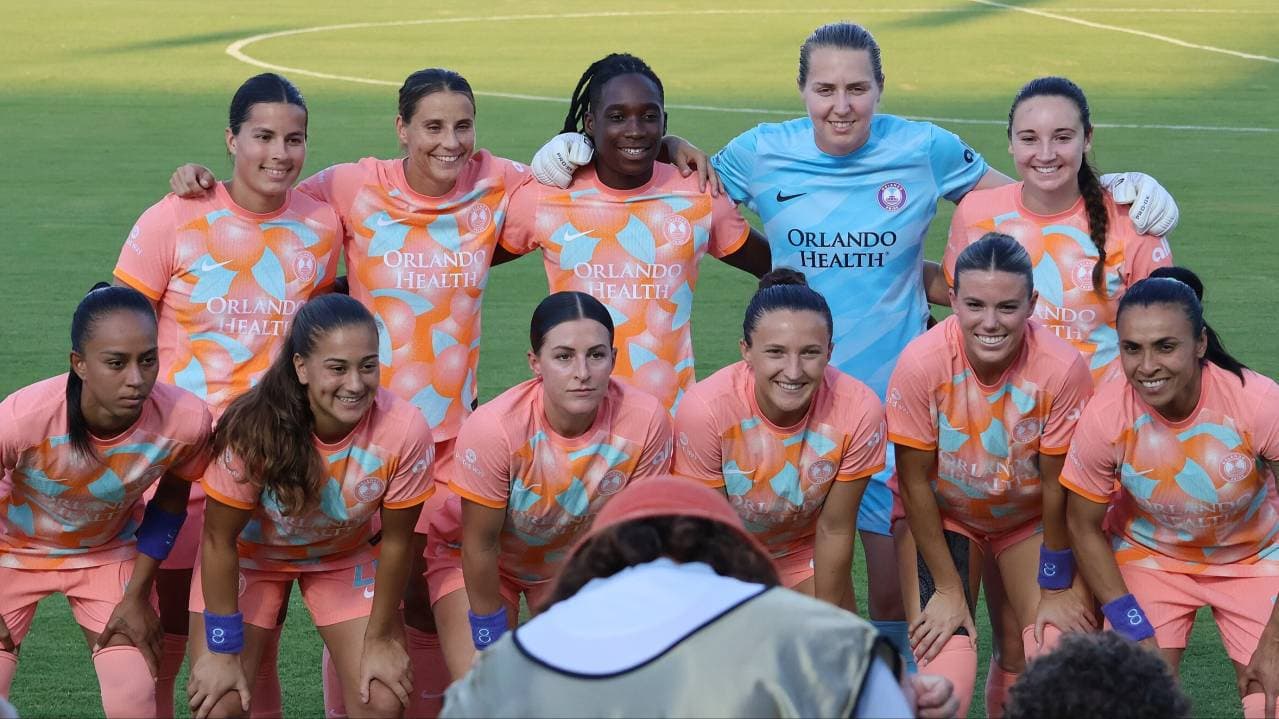
Denver Summit W Makes Statement with 3–1 Victory Over Orlando Pride W
Under the lights at Centennial Stadium in Commerce City, Denver Summit W turned a meeting of mid‑table hopefuls into a statement, beating Orlando Pride W 3–1 in NWSL Women Group Stage play. The contest, overseen by referee Cristian Campo, was effectively a six‑pointer between two sides clustered in the middle of the standings: Denver arriving in 7th on 12 points with a +4 goal difference (15 scored, 11 conceded in total), Orlando in 9th on 11 points with a -2 goal difference (14 for, 16 against in total).
Heading into this game, Denver’s seasonal DNA had been one of balance and resilience. Across 9 matches in total, they had split their record evenly (3 wins, 3 draws, 3 defeats), scoring 15 and conceding 11. At home they had been solid rather than spectacular: 3 played, 1 win, 1 draw, 1 loss, with 5 goals for and 4 against, averaging 1.7 goals scored and 1.3 conceded at Centennial. Orlando, by contrast, were volatile. In total they had 3 wins, 2 draws and 5 defeats from 10, with 14 goals scored and 16 conceded, averaging 1.4 goals for and 1.6 against. Their away pattern mirrored that chaos: 5 played on their travels, 1 win, 1 draw, 3 losses, 7 scored and 8 conceded.
The final scoreline – Denver 3, Orlando 1, after a 1–0 home lead at half-time – reinforced the pre‑match trends: Denver’s quietly efficient attack at home, Orlando’s defensive fragility away, and a Pride side whose attacking brilliance too often comes with structural cost.
Tactical voids and disciplinary undercurrents
The lineups offered an immediate contrast. Orlando arrived with continuity and clarity: a 4‑2‑3‑1 that has been their default all season, the same shape recorded in 10 league outings. A. Moorhouse in goal, a back four of H. Mace, H. Anderson, C. Dyke and O. Hernandez, with H. McCutcheon and A. Lemos shielding, and an attacking trio of S. Castain, S. Yates and J. Doyle supporting the league’s most ruthless finisher, B. Banda, at centre‑forward.
Denver, by contrast, were listed without a formal formation, but the personnel hinted at a flexible, workmanlike structure. A. Smith started in goal, screened by defenders A. Oke, E. Gaetino and K. Kurtz. Ahead of them, a midfield engine room of D. Sheehan, Y. Ryan, N. Flint and N. Means, with D. Lynch and J. Sonis providing the connective tissue between lines and M. Kossler leading the line. The absence of an officially logged shape did not mean tactical confusion; rather, it suggested a side comfortable morphing between lines to match Orlando’s threats.
In terms of absences, the raw data lists no confirmed injuries or suspensions, so both squads appeared close to full strength. That made the disciplinary backdrop all the more relevant. Heading into this game, Denver’s yellow‑card pattern showed a team that tends to boil over after the break: 44.44% of their cautions came between 46–60 minutes, and a further 22.22% between 76–90, with an additional 22.22% in added time (91–105). Their only red card in total had arrived early, in the 16–30 window, a reminder that emotional spikes can come quickly.
Orlando’s discipline is even more skewed towards the second half. In total, 30.77% of their yellows came between 61–75 minutes, 23.08% between 76–90, and another 15.38% in added time. Their solitary red card in total landed between 61–75 minutes, underscoring how fatigue and game‑state pressure can drag them into risky challenges.
Within that frame, individuals matter. For Denver, N. Flint and K. Kurtz both carried 3 yellows in total into this fixture, while Kurtz’s profile is that of a classic last‑line organiser: 470 passes at 89% accuracy, 13 interceptions and 13 successful blocked shots. For Orlando, B. Banda had already collected 2 yellows in total, an indicator of how aggressively she presses and duels from the front. Angelina, on the bench, brought with her the shadow of a prior red card, another live wire in the Pride’s emotional landscape.
Key matchups – Hunter vs Shield, and the engine room
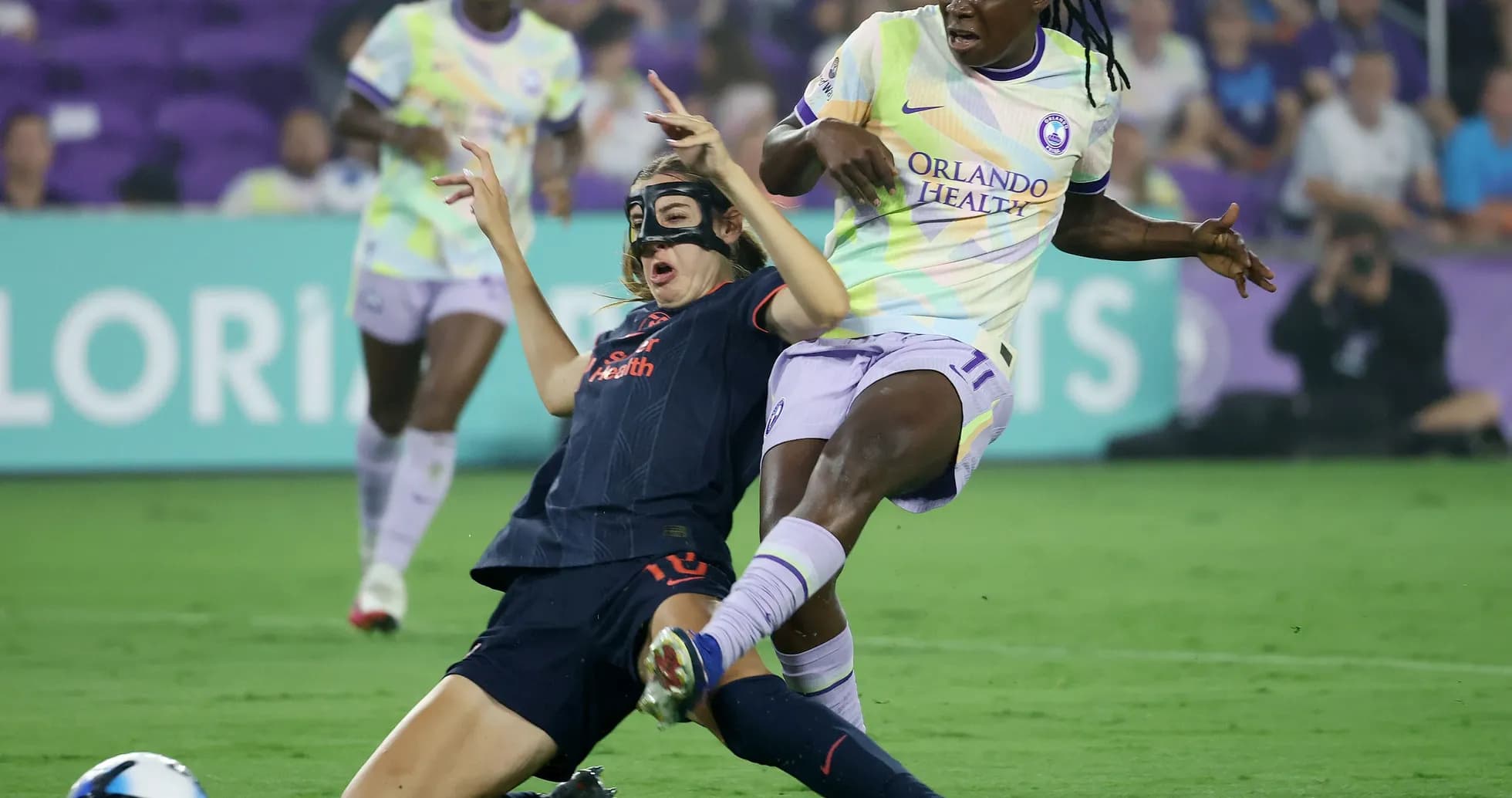
The headline duel was always going to be “Hunter vs Shield”: B. Banda against Denver’s central defensive axis. Banda entered this match as the league’s most lethal forward in total: 8 goals from 10 appearances, with 39 shots (22 on target), and a 7.69 average rating. She is not just a finisher but a constant disruptor, engaging in 93 total duels and winning 39, drawing 22 fouls and committing 15. Her presence demands a back line that can both read the game and absorb contact.
That is exactly what Denver fielded. Kurtz, as the anchor, is a high‑volume passer and a quietly elite defender: 7 tackles, 13 interceptions and 13 blocked shots in total, the kind of profile built to step in front of Banda’s runs and cut off the passing lanes from Orlando’s No. 10 line. Alongside her, E. Gaetino and A. Oke offered legs and recovery speed, while A. Smith’s shot‑stopping behind them gave Denver license to hold a slightly higher line. The 3–1 result suggests that, while Banda inevitably found moments – Orlando did score once – Denver’s shield largely won the war, forcing the Pride’s star to operate on thinner margins.
If Banda vs Kurtz was the headline, the game’s rhythm was decided in the “Engine Room”: Denver’s creative axis of Y. Ryan and N. Flint against Orlando’s double pivot of McCutcheon and Lemos. Ryan arrived as one of the league’s most influential playmakers in total, with 3 assists, 15 key passes and 23 dribble attempts (8 successful), plus 10 tackles and 4 interceptions – a two‑way midfielder who dictates tempo and presses with intelligence. Flint, meanwhile, blended end product and bite: 3 goals, 2 assists, 8 key passes, 15 tackles, 2 blocked shots and 7 interceptions in total, but also 3 yellows and 12 fouls committed, an edge that can tilt matches.
On the other side, McCutcheon is Orlando’s all‑purpose enforcer and passer: 302 total passes at 75% accuracy, 30 tackles, 6 blocked shots and 9 interceptions, plus 2 goals and 2 assists. Her remit was to smother Ryan between the lines and prevent Flint from stepping into shooting zones. Yet Denver’s ability to score three times hints that their midfielders found the pockets they wanted, dragging McCutcheon and Lemos into lateral chases rather than allowing them to hold a compact block in front of the back four.
Statistical prognosis and what the result tells us
Even without explicit xG values, the season‑long numbers pointed to a likely pattern that the match ultimately mirrored. Heading into this game, Denver averaged 1.7 goals scored and 1.2 conceded in total, Orlando 1.4 scored and 1.6 conceded. A home win with multiple Denver goals and at least one Orlando strike sat firmly within that band.
Denver’s clean‑sheet profile – 3 in total, with only 2 matches in which they failed to score – suggested they would both create and concede some chances. Orlando’s similar 3 clean sheets in total but a higher goals‑against average implied they would open up more space than they could close.
Following this result, the narrative hardens: Denver are evolving into a playoff‑calibre side whose blend of structured defending and multi‑source attacking threat travels well from data to pitch. The 3–1 win reinforces their status as a team that can manage game states, survive the inevitable Banda storm, and still impose their own patterns through Ryan’s passing and Flint’s late surges.
For Orlando, the lesson is harsher but clear. Leaning on a world‑class finisher like Banda is not enough when the defensive platform concedes 1.6 goals per match in total and continues to wobble away from home. The 4‑2‑3‑1 remains a potent attacking framework, but unless McCutcheon’s protection is better supported and the back four tighten their lines, the Pride will keep finding themselves on the wrong side of scorelines that their attacking talent does not deserve.