De Zerbi's Disappointment After Tottenham's Collapse Against Aston Villa
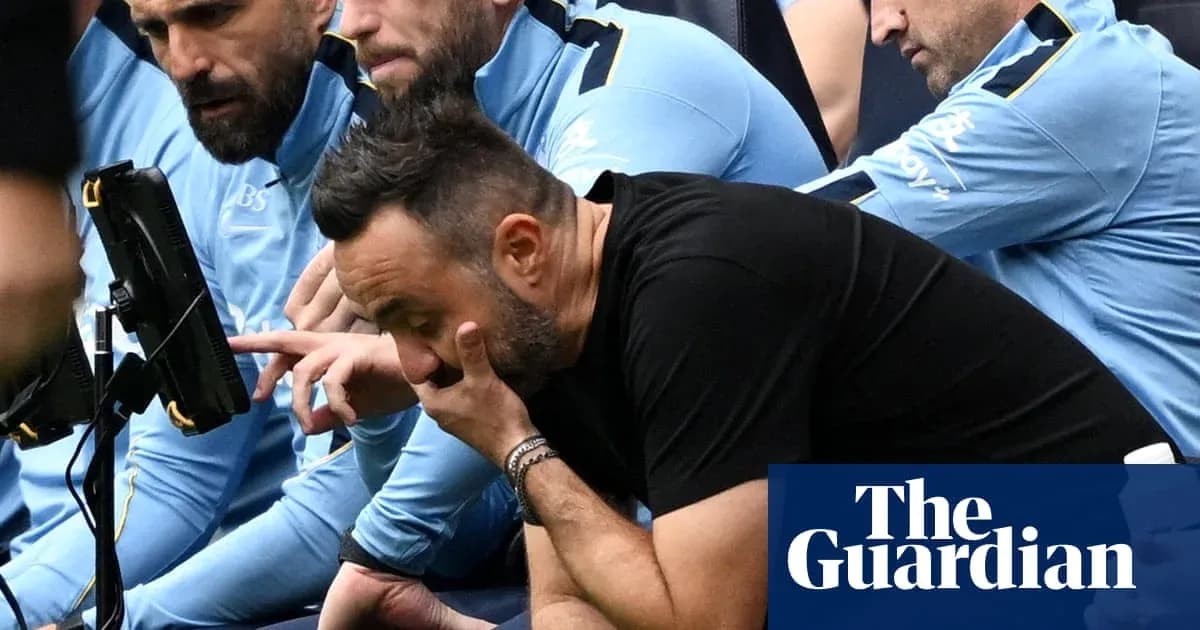
Roberto De Zerbi did not wait for the inquest. At full time he went straight down the tunnel, the boos following him, the league table already damning enough: no Premier League wins, just two points, and now a 3-2 home defeat to Aston Villa that cut deep.
By the time he faced the cameras, the anger had settled into something colder. Disbelief. Fury at the way his Tottenham side had let the game go.
“I am very disappointed, sad and frustrated for the performance,” he said. “We can’t lose the game in this way, we can’t concede the second goal, we can’t lose balance just because we are losing.”
This was not a rant about bad luck or fine margins. De Zerbi went straight for his team’s mentality and fitness. He questioned their physical condition. He even highlighted the impact of his own substitution, admitting that Mohammed Kudus had disturbed the team’s balance when he came on.
The turning point, in his eyes, was obvious. Tottenham had been warned. They still switched off.
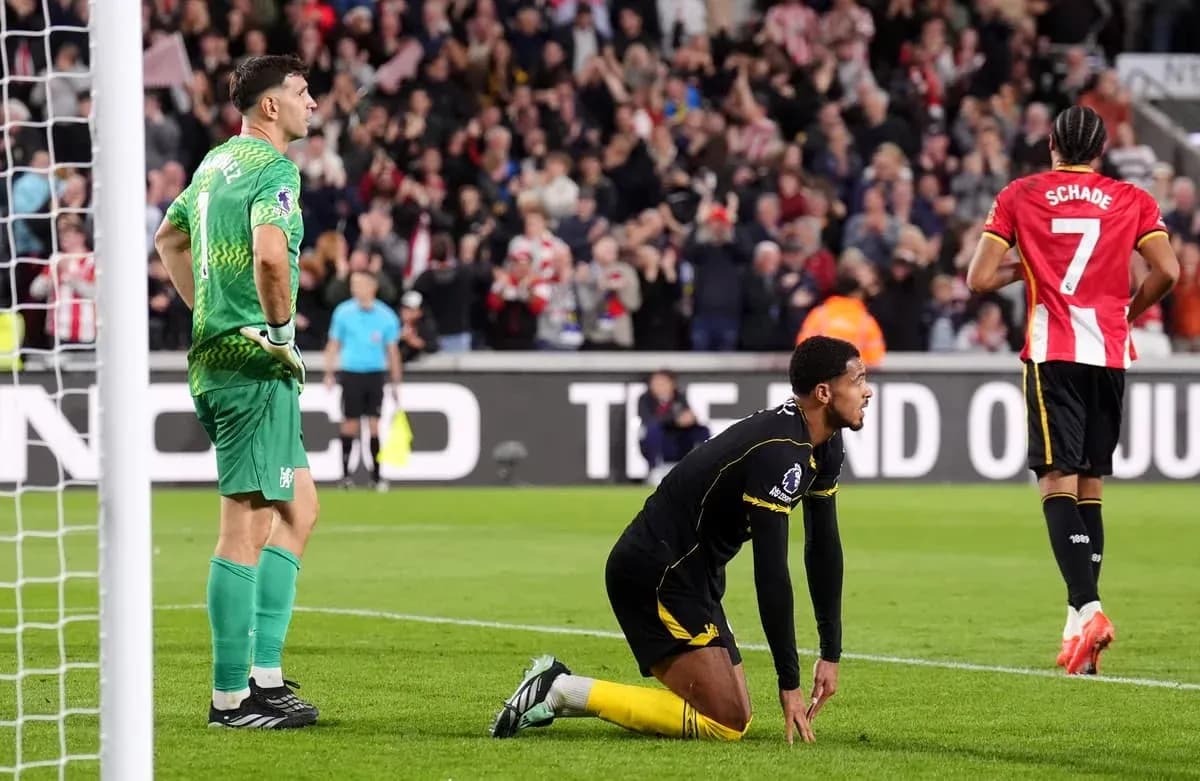
Jackson’s winner in the 67th minute came from a simple route: a long kick from the outstanding Zion Suzuki, a run, a finish. Direct, brutal, effective. De Zerbi’s frustration stemmed from the fact that his players had seen this on video, heard it in meetings, talked it through on the training pitch.
“We knew this season Aston Villa are playing 86% more long balls than last season and we spoke in many meetings about it,” he said. “Now we have to explain another game like [the home defeat against] Newcastle where we played the first half well, got to 60 minutes OK, and then we lose.”
The pattern is starting to grate on him. Strong start, control for an hour, then the game slips away. Tottenham did not just lose; they unravelled. De Zerbi said he had spoken directly to his four attackers in the 51st minute, urging calm, asking them to “use their head”. The message did not stick.
“All second half I was telling people to be calm,” he said. “But the second goal was incredible.”
The international break now cuts into Tottenham’s season at an awkward time. No momentum, plenty of questions, and a manager who chose silence over speeches in the dressing room.
“I didn’t speak with the players today because I didn’t want to say anything,” De Zerbi admitted. “The players who go with the national team have to play and work and the others; for sure we have to work more because I didn’t like the finish to this game. We can’t say everything is bad, but it is not enough.”
That line hung in the air. Not everything is bad. But nowhere near enough.
While De Zerbi wrestled with his side’s fragility, Unai Emery walked away with something far more satisfying: Aston Villa’s first Premier League victory of the season and a performance that, to him, looked familiar in all the right ways.
For Emery, this was not just three points. It was a reminder to his players of what has made them so awkward, so resilient, over the past few campaigns.
“The players did well because they believed,” he said.
Villa dug in when Tottenham attacked, then grew into the game. Emery praised the collective, not the individual moments. He spoke about building a team that could embrace this kind of match: under pressure, then ruthless when chances came.
“We needed to build a team that could play in this way, could defend with resilience and playing with passion when our opponents were attacking,” he said. “We needed defenders, we needed the keeper, we needed everyone committed in that direction. We needed to feel strong first, then we could try to play with our structure and our ability. This is the competitive way.”
While Villa leave with belief restored and a blueprint reaffirmed, Tottenham head into three empty weeks with only their manager’s words ringing in their ears. The question now is simple: when the league resumes, will this be remembered as an early jolt that sharpened them, or the first clear sign of a season slipping out of their hands?