Chelsea's Set-Piece Woes and Defensive Struggles
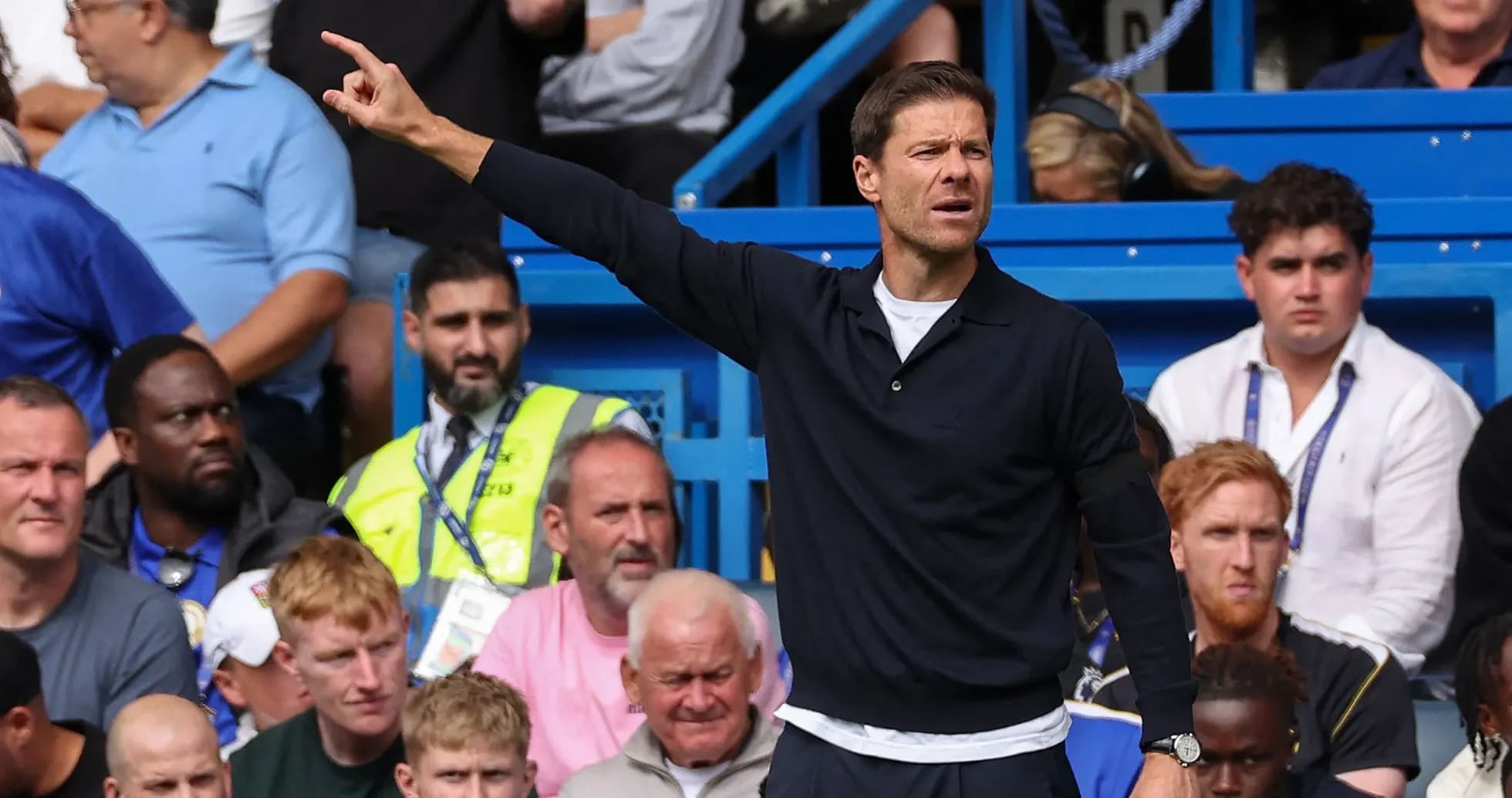
Chelsea’s bruising afternoon ended with Xabi Alonso staring straight at the problem, not searching for excuses.
“Everything was disappointing,” he admitted, “especially the result,” after his side shipped three second-half goals and another wave of questions about their direction.
For 45 minutes, Chelsea were in the contest. Not dazzling, not ruthless, but organised enough and competitive. Then the game flipped. Concentration slipped, set-pieces were lost, and the second half turned into a familiar Premier League ordeal for a team still learning its manager.
“We were competing well,” Alonso said. “But in the second half we dropped, and conceded the three goals.” The frustration was clear. So was the diagnosis.
Set-pieces and lost discipline
The turning point came from dead balls and duels – the basics Alonso expected his side to handle. They didn’t.
“You need to be very focused,” he stressed. “Once you concede from set-pieces, it gives them an advantage and control because once you concede the second goal it becomes much harder.”
Chelsea never recovered from that shift in control. The manager pointed to a loss of discipline around their own box, the kind of sloppiness that top-flight opponents punish without hesitation.
“We lost a little bit of our discipline when we were close to the box,” he said. “We have to correct, it was our mistakes.”
The numbers back up the concern. Chelsea have now conceded five goals from set-pieces this season, a weakness that is no longer a trend but a glaring flaw.
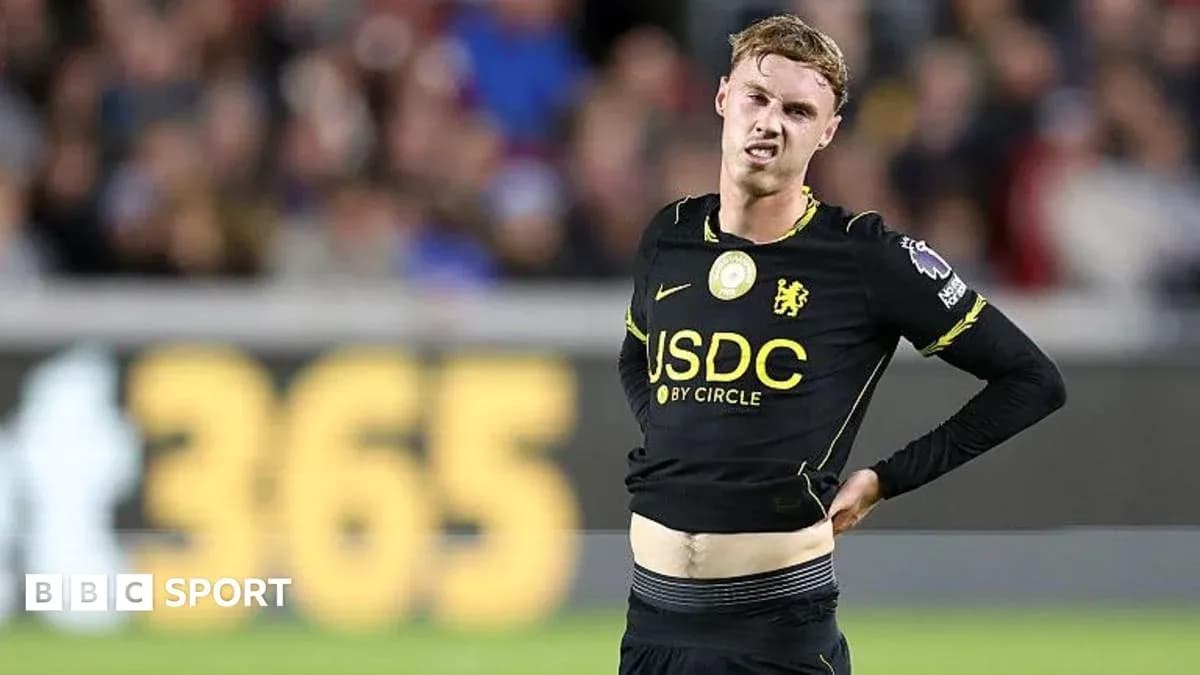
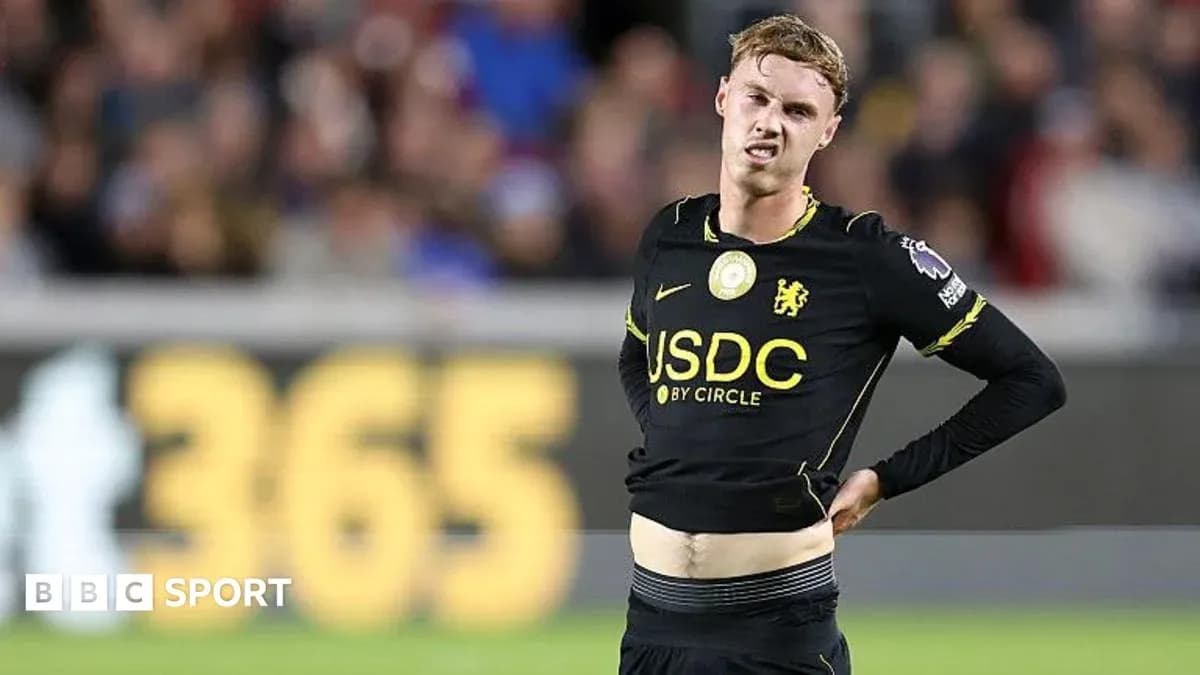
Levi Colwill did not sugar-coat it.
“Firstly conceding a set piece was not the best,” the defender told Sky Sports. “We tried to push and maybe overexposed ourselves, played some passes we shouldn’t and they hit us on the counter, and got the second goal and the third goal hit home and hurt. Second half we weren’t good enough and we have a lot to work on in the international break.”
On the set-piece record, he was blunt: “Not been good enough. At times we have been bullied in the box, we need to definitely improve with that. We have got all trust in our set piece coach and still adjusting to new things. We do need to improve as a team.”
Blunt attack, exposed defence
Chelsea’s issues were not limited to defending. The first half told a different but equally worrying story: plenty of possession, very little incision.
“First half we were around but not creating big chances,” Alonso reflected. “We missed the last pass, the last dribble to get shots in clear positions.”
So the pattern emerged. Wasteful in the final third, fragile in their own. When the pressure came after the break, they could not hold the line.
“The other part is when you need to hold, when you need to be tight, [the opponent] is trying to attack you and you need to know how to defend and stick together,” Alonso added. “Win duels and be consistent in that part.”
Colwill echoed the theme of collective responsibility.
“We still need to improve a lot,” he said. “We can’t rely on our front three to pull us out of danger. The rest of us have to help as much as possible. We definitely have a lot of room to improve.”
He insisted the spirit remained intact – “I don’t think spirit went down… we tried to push for equaliser and we got hit on the counter attack” – but effort without structure rarely survives at this level.
Alonso’s harsh early reality
The defensive frailty is not just a bad week. It has become a brutal statistic attached to Alonso’s name.
Chelsea’s manager is only the sixth man in Premier League history to see his side concede two or more goals in each of his first five games in the competition, joining Mick McCarthy, Sammy Lee, Terry Connor, Slavisa Jokanovic and Scott Parker on an unwanted list.
“It’s everything,” Alonso said when asked if defensive work would dominate the international break. “For sure individual and collective details will have to be better, but it’s not only defensively, with the ball there are parts where we need to do better.”
The break offers a pause, not a reset button.
“It is what it is,” he shrugged. “Now we will have time with some players, but we can’t change that.”
A glimpse of tomorrow
Amid the bruises, one moment pointed to the future. Mahdi Nicoll-Jazuli stepped onto the pitch and straight into the record books – the first player born in 2010 to play in the Premier League, and the first 16-year-old ever to represent Chelsea in the competition.
On a day dominated by lapses and hard lessons, his debut was a reminder of what Chelsea still have in reserve: youth, talent, and time.
The question now is simple and unforgiving: how long will that promise be allowed to grow before the defending finally catches up?