Chelsea's Midfield Crisis: The 349 Million-Pound Question
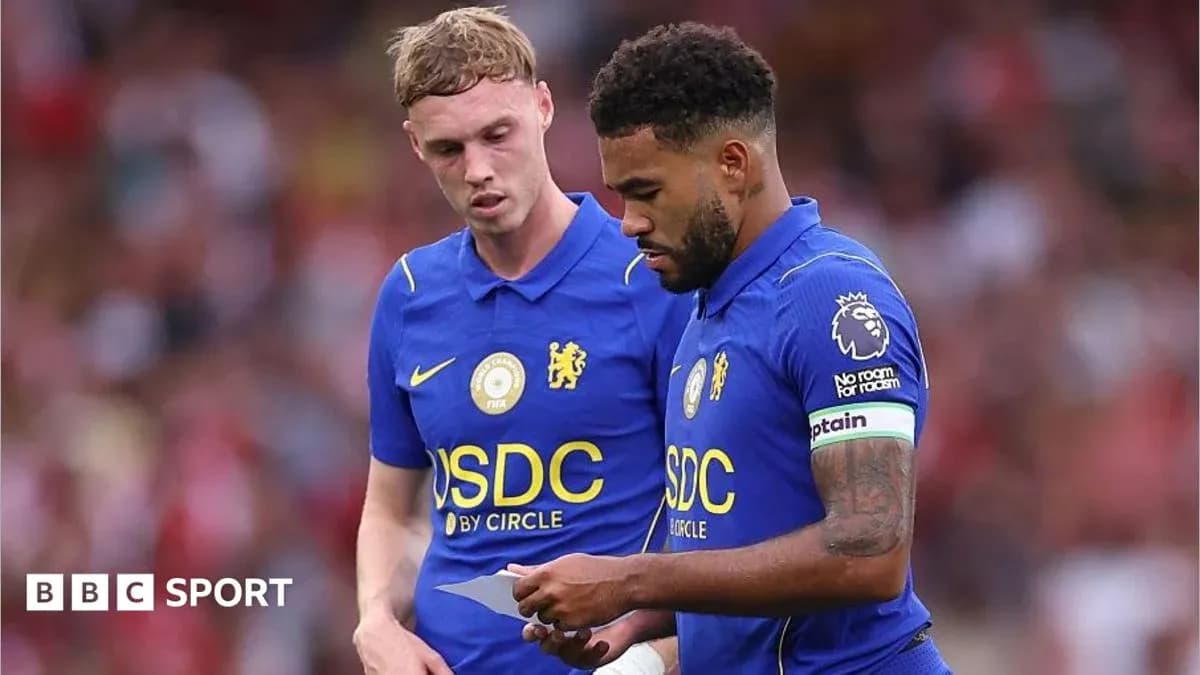
Chelsea walked out of the Emirates with a 2-1 defeat and a much bigger problem than a single lost game. By the end, they had Reece James and Malo Gusto – two players who began life as right-backs – standing side by side in central midfield against the reigning Premier League champions.
For a club that spent 349 million pounds in the summer, that image will linger.
James tasked with stopping Odegaard – and punished
Xabi Alonso had talked Reece James up before kick-off. According to BBC Sport, he insisted the England international had the potential to become one of the best midfielders in the world. On Sunday, he put that belief to the test in the harshest way possible: James was handed the job of tracking Arsenal captain Martin Odegaard.
For long spells, James coped. He looked comfortable enough in a role he occupied for almost half of last season. He pressed, he covered, he passed cleanly. But the game’s decisive moment cut straight through the experiment. During the move that led to Odegaard’s winning goal, James lost him. The Norwegian drifted, found space, finished. Arsenal 2, Chelsea 1. Assignment failed at the one moment that mattered most.
The bigger issue was not James himself. It was what his deployment – and the later introduction of Gusto into midfield instead of Romeo Lavia – said about Chelsea’s depth in that area of the pitch.
Arteta turns to his bench, Chelsea stare at theirs
The contrast in the dugouts told its own story. Chelsea’s defensive organisation wobbled for the decisive goal, but the lack of attacking ideas from the bench was just as glaring.
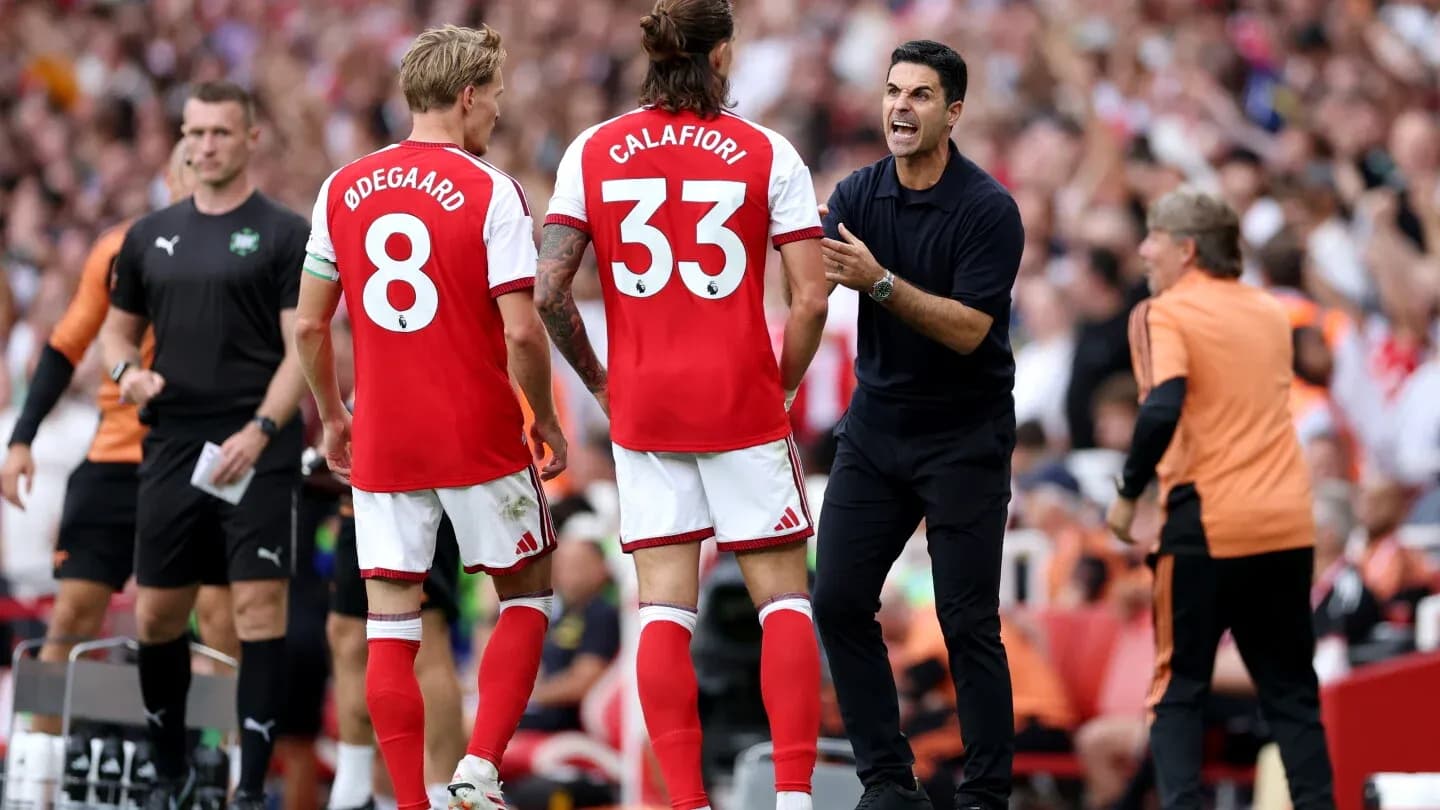
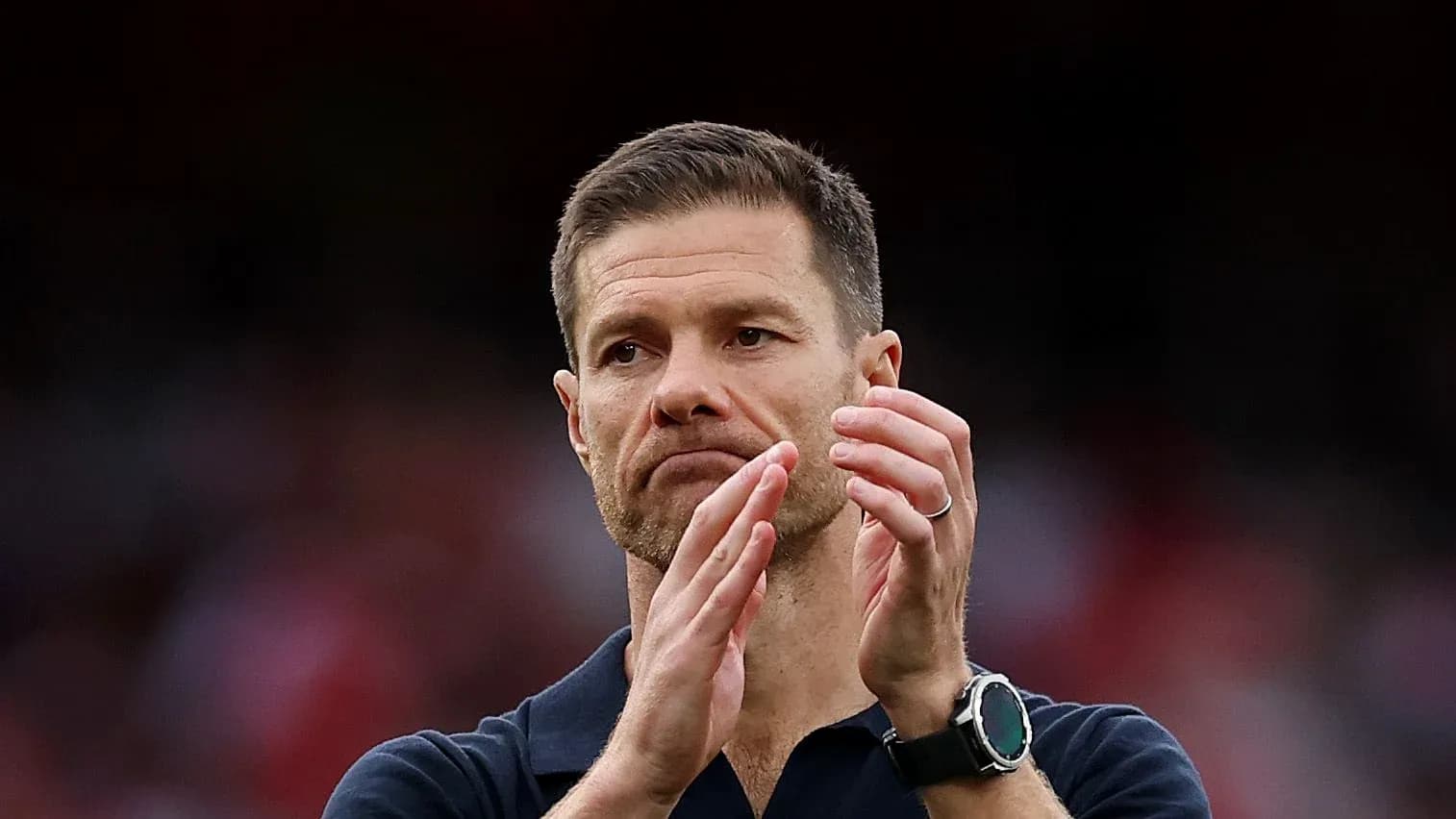
Mikel Arteta had options that could twist the game. He used them. His changes sharpened Arsenal, tilted the contest, and ultimately helped them close it out. Alonso, by comparison, turned to another right-back to patch his midfield.
Ashley Young, speaking to BBC Sport, did not hide his concern.
He pointed to the central contradiction: Chelsea have no European football this season, fewer matches, and more time to prepare. Yet they ended a statement fixture against the champions with two right-backs in midfield.
Young highlighted Lavia’s fitness troubles last season and underlined the imbalance: a front line capable of scaring most of the league, with a midfield behind it that currently needs full-backs to plug gaps. He warned that other teams will have taken note of Chelsea’s approach – deep defensive blocks, bodies behind the ball – and the spaces that still appeared between the lines, spaces Arsenal ruthlessly exploited.
He also underlined the attacking pattern: Chelsea concede the ball, wait for transitions, and break. At the Emirates, he felt they really carved out only one clear counter-attacking moment, via Pedro Neto down the right.
Caicedo’s mystery injury and the hole it leaves
Strip everything back and Chelsea’s most pressing problem sits in the treatment room. Moises Caicedo is missing.
The Ecuadorian picked up an injury after an 11-minute cameo against Brighton last week. Nobody at the club has revealed what the issue is, nor when he will return. For Alonso, it is an unusual headache. Across the last three seasons, Caicedo has only missed two matches through a minor injury and an illness, not counting suspensions.
Alonso admitted they may have rushed him back too quickly for that Brighton appearance. He framed the current situation as a question of risk: he does not want to repeat the same mistake, and insists it is not a long-term absence.
Whether Caicedo’s setback directly pushed Chelsea into a late scramble for another midfielder on deadline day is still not clear. What is obvious is that his absence has exposed how thin the club are in the one area they could least afford to be.
Late-window scramble that led nowhere
Chelsea did not sit still on deadline day. They tried to reinforce the middle of the pitch. They failed.
An agreement for Lamine Camara collapsed at the last moment, with Monaco pulling the plug on a proposed 47 million-pound move. Inside Stamford Bridge, that late breakdown was met with anger.
Earlier in the summer, Bournemouth turned down offers that climbed to 64 million pounds for Alex Scott. The push for French midfielder Manu Kone also went nowhere, with Roma manager Gian Piero Gasperini blocking his move.
Publicly, Chelsea framed the Camara pursuit as an attempt to seize an opportunity in the market rather than a sign of panic. They stressed satisfaction with their overall summer business and confidence in the current squad.
Sunday night made that stance look optimistic at best.
Enzo out, no replacement in
The questions around Chelsea’s midfield sharpened dramatically the moment Enzo Fernandez left. The club sold him to Manchester City for 125 million pounds – a fee that matches the British transfer record – on deadline day. No like-for-like replacement arrived.
The numbers in that area have been hit again by injuries. Caicedo is out. Jordan Henderson is still recovering from a broken arm, an injury suffered in bizarre fashion after he fell onto an advertising board while sitting on the bench at the World Cup.
Valentin Barco, signed from Strasbourg in the summer and a natural midfielder, has yet to play. Alonso has instead turned repeatedly to Gusto, using him in all three of Chelsea’s Premier League fixtures.
A possession low that tells a bigger story
The Brighton match a week earlier offered a stark statistical warning. With Gusto operating in midfield, Chelsea saw just 25.6% of the ball in a 4-3 win. That is the lowest possession figure recorded by the club since such data began in the 2003-04 season.
The win masked the concern. The number did not.
Alonso has argued that, when everyone is fit, Chelsea have enough midfielders to navigate a season without European football and the midweek strain it brings. On paper, that might hold. On the pitch, the early evidence is far less reassuring.
Attack firing, defence creaking
Up front, Chelsea look lively. Across their first three league games, they have leaned hard on their attacking weapons. Morgan Rogers has hit the ground running. Cole Palmer looks close to his best again. Joao Pedro is finding the net.
Rogers, signed in a record deal, struck again inside two minutes at the Emirates. That made him the first Chelsea player since Eden Hazard in 2018-19 to score or assist in each of the club’s first three league games of a season.
The other end of the pitch tells a different story. Chelsea have conceded seven goals in those three matches. Alonso has already flagged the need for defensive improvement, calling for his team to become more cohesive and solid without the ball.
There were positives in the performance against Arsenal. For long stretches, Chelsea went toe to toe with the champions. By Alonso’s own admission, it was one of their better displays in this fixture during a miserable run of 10 matches without a win over their London rivals.
Yet the gap remains. Last season they finished 33 points behind Arsenal, down in tenth. That distance does not vanish overnight.
Alonso’s post-match words carried a mix of frustration and defiance. He insisted Chelsea came to the Emirates to win and claimed his side were not far off Arsenal in terms of level, but accepted that the game went the hosts’ way. He called the defeat painful and disappointing, but stressed it was their first loss of the season and would not damage their morale or mentality.
Arsenal set the bar, Chelsea hunt for answers
Right now, Arsenal are the benchmark Chelsea are chasing. Chelsea may have beaten them to the signing of Rogers, but on the pitch they are still looking up at the club that currently sets the standard in London and across the Premier League’s top end.
Sunday underlined a simple truth: vast spending has not solved every problem. Ten first-team signings came through the door in a frantic summer, yet the failure to land a midfielder on the final day has left a visible gap in Alonso’s squad.
The coach described this transfer window as “the first stage” of his project. That framing matters. The next stage will not be written in a boardroom or a press release. It will be shaped on the pitch, in how Chelsea manage this midfield shortage in the weeks ahead.
If Caicedo’s return does not stabilise the centre of the park, the questions will only grow louder. Why sell Enzo Fernandez without a direct replacement? Why gamble on makeshift solutions in the most important area of the pitch?
And when January comes around, will Chelsea be chasing the market again – or finally fielding a midfield that looks like it belongs to a team with title ambitions?