Chelsea’s Strong Start Survives Brighton Challenge
For half an hour at Stamford Bridge, it looked simple. Too simple.
Chelsea swarmed all over Brighton from the first whistle, and the breakthrough came early. Romeo Lavia, still feeling his way into life in blue, arrived in the box at just the right moment and tucked home from close range for his first Chelsea goal. Stamford Bridge roared; the game felt under control.
The pressure stayed on. Pedro Neto struck next, then Joao Pedro added another as Chelsea sliced through Brighton with a sharpness that has often been missing in recent seasons. At 3-0 up, with only 32 minutes gone, the home side were cruising, the crowd already sensing another statement win to back up their opening-day success.
Brighton, though, rarely go quietly.
Just when Chelsea looked ready to run away with it, the visitors found a foothold. Malick Yalcouye dragged them back into the contest before the interval, punishing a lapse and silencing the stadium just enough to plant a seed of doubt. The swagger in Chelsea’s play dipped. The tackles started to bite a little harder.
The tension grew after the restart. Brighton pushed higher, forced errors, and the game lost its early rhythm. The warning signs were there, and they were ignored.
Joao Pedro, already on the scoresheet, struck again, turning a cross into his own net to haul Brighton to within a goal. From 3-0 to 3-2, the mood inside Stamford Bridge shifted from celebration to concern. Chelsea, so dominant early on, suddenly looked vulnerable.
That was the moment they needed someone to grab the game. Cole Palmer stepped forward.
Collecting the ball 20 yards out, Palmer didn’t hesitate. One touch, head up, then a curling strike that bent away from the keeper and into the corner. A finish of real authority, the kind of goal that kills a comeback and restores order. Chelsea’s two-goal cushion returned, and with it, some much-needed calm.
Brighton still refused to fold. They kept coming and were rewarded late on when Pascal Gross found the net, a consolation that set up a nervous finale but not a dramatic one. Chelsea held firm this time. The whistle went, and the points stayed in west London. Two wins from two Premier League fixtures, and a test passed against a side that has troubled them in recent years.
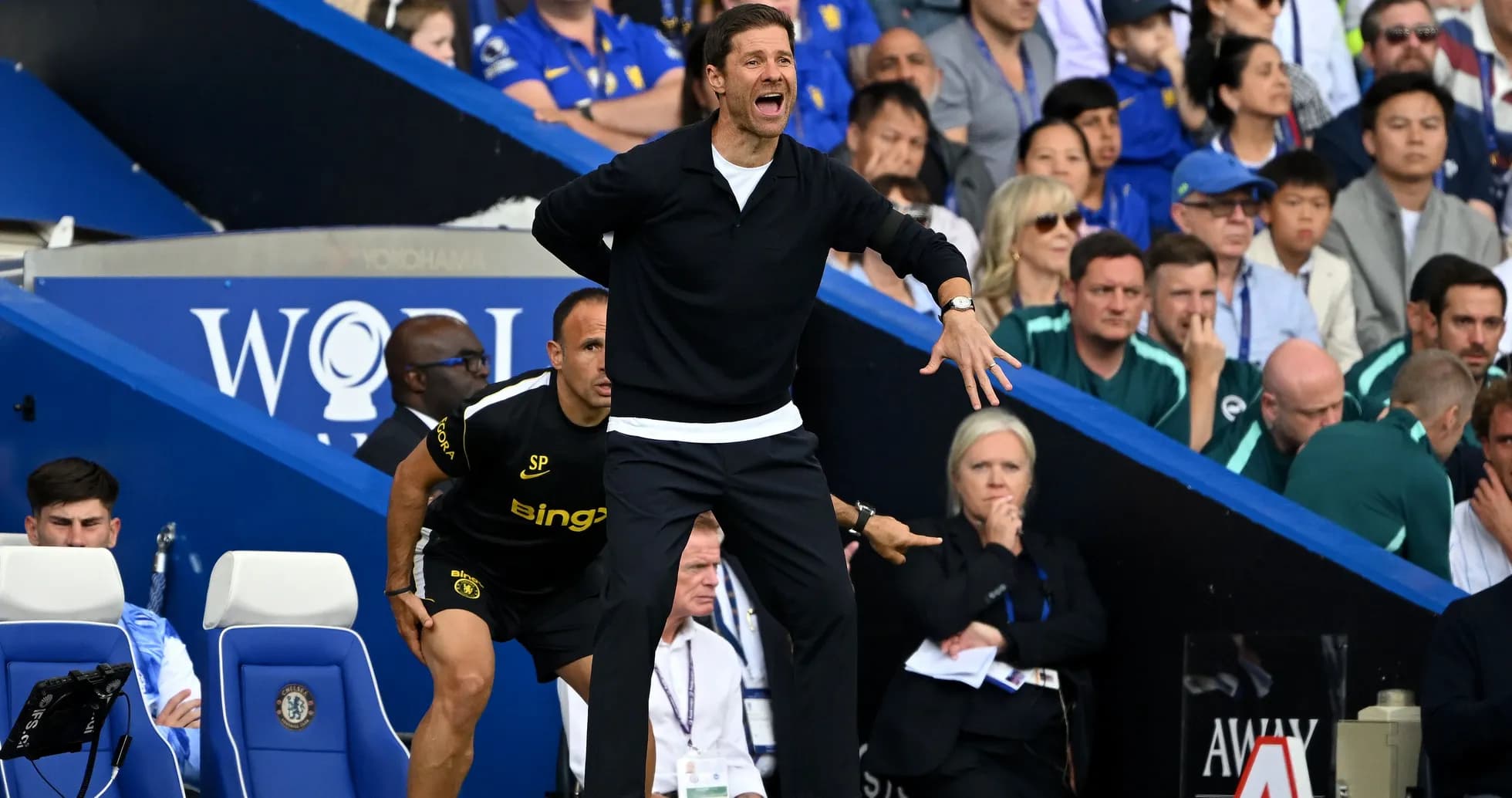
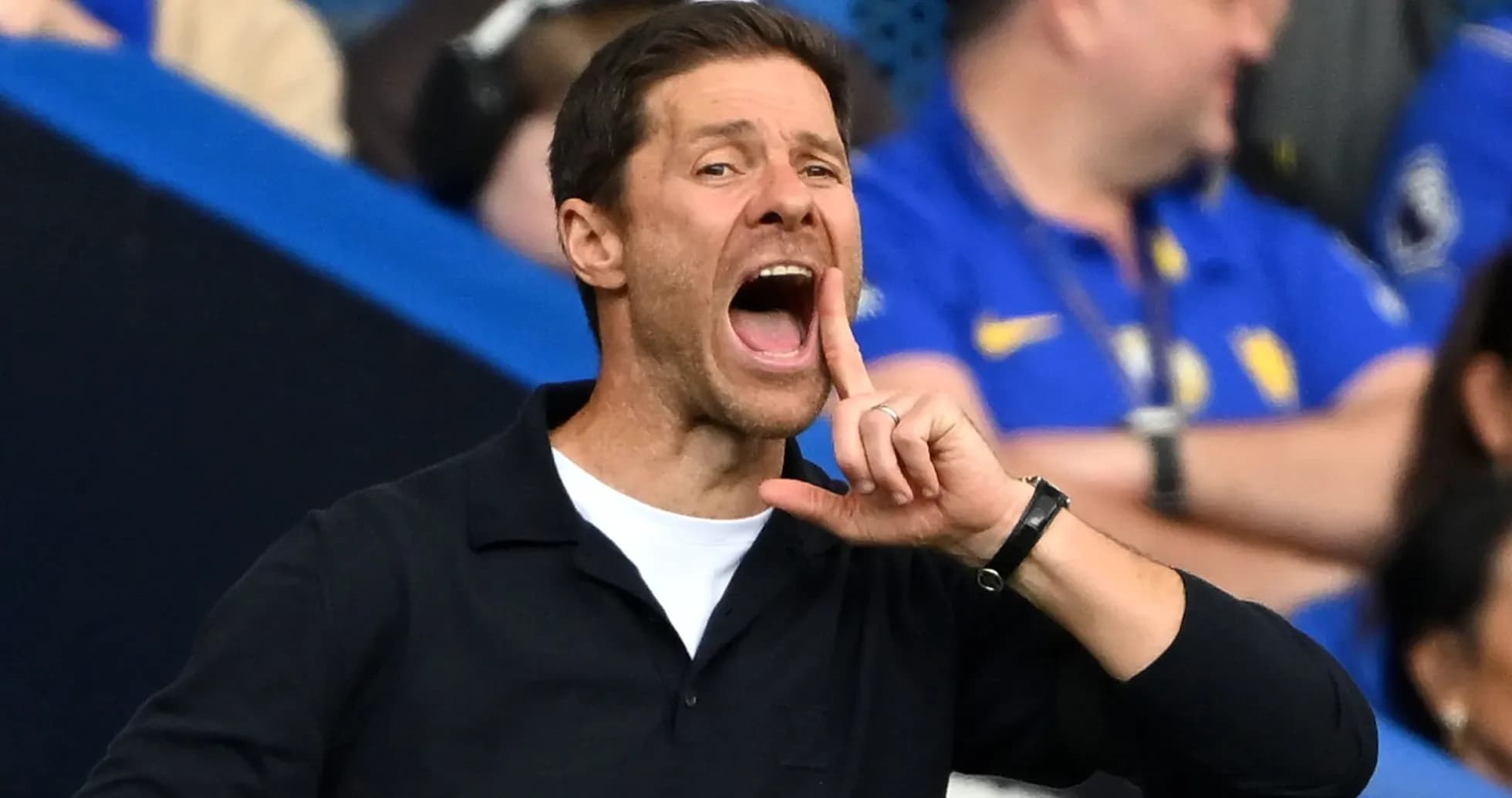
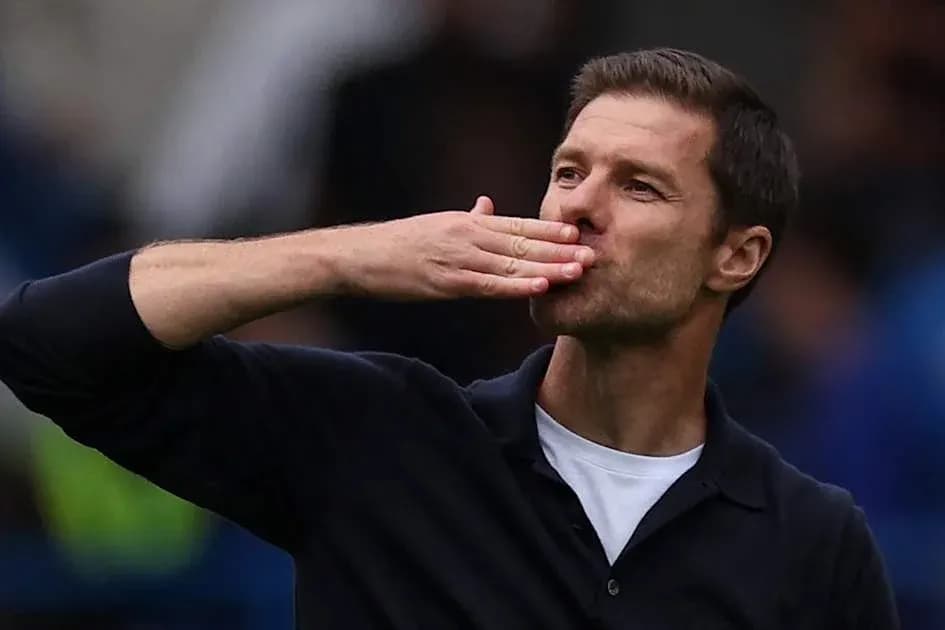
Afterwards, Alonso did not pretend it had been perfect. He acknowledged the swings in momentum, the patches where Chelsea lost control, and the work still to be done. But he also underlined the value of winning while learning, of ironing out flaws with six points already banked. This, he stressed, is a process – and processes are easier to manage when the table looks healthy.
There was, however, a cloud over the afternoon.
Moises Caicedo, who had already missed the opening two matches of the campaign, finally returned to the pitch midway through the second half. His introduction should have been a positive turning point, a chance to build rhythm and fitness. Instead, it lasted just 13 minutes.
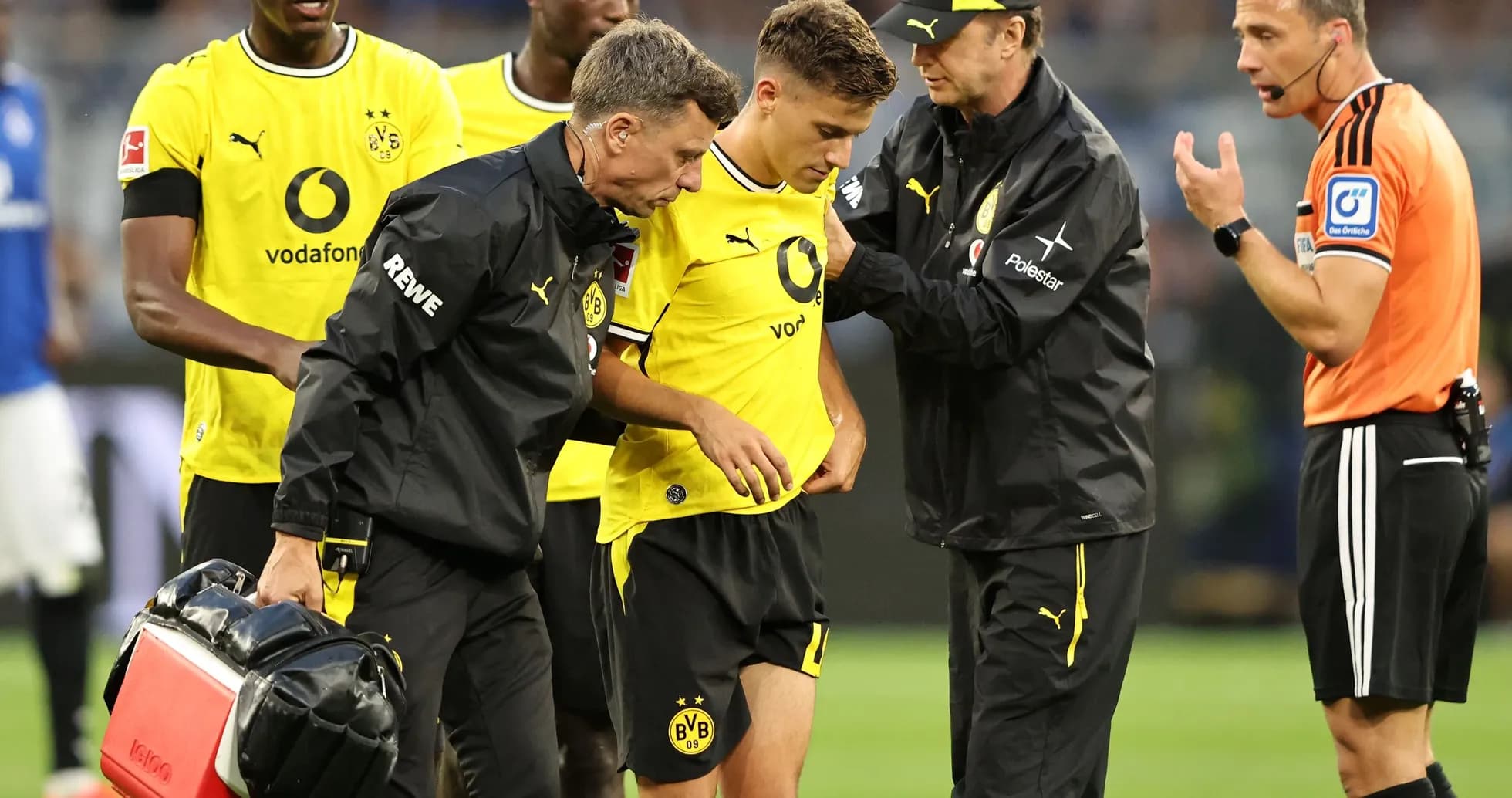
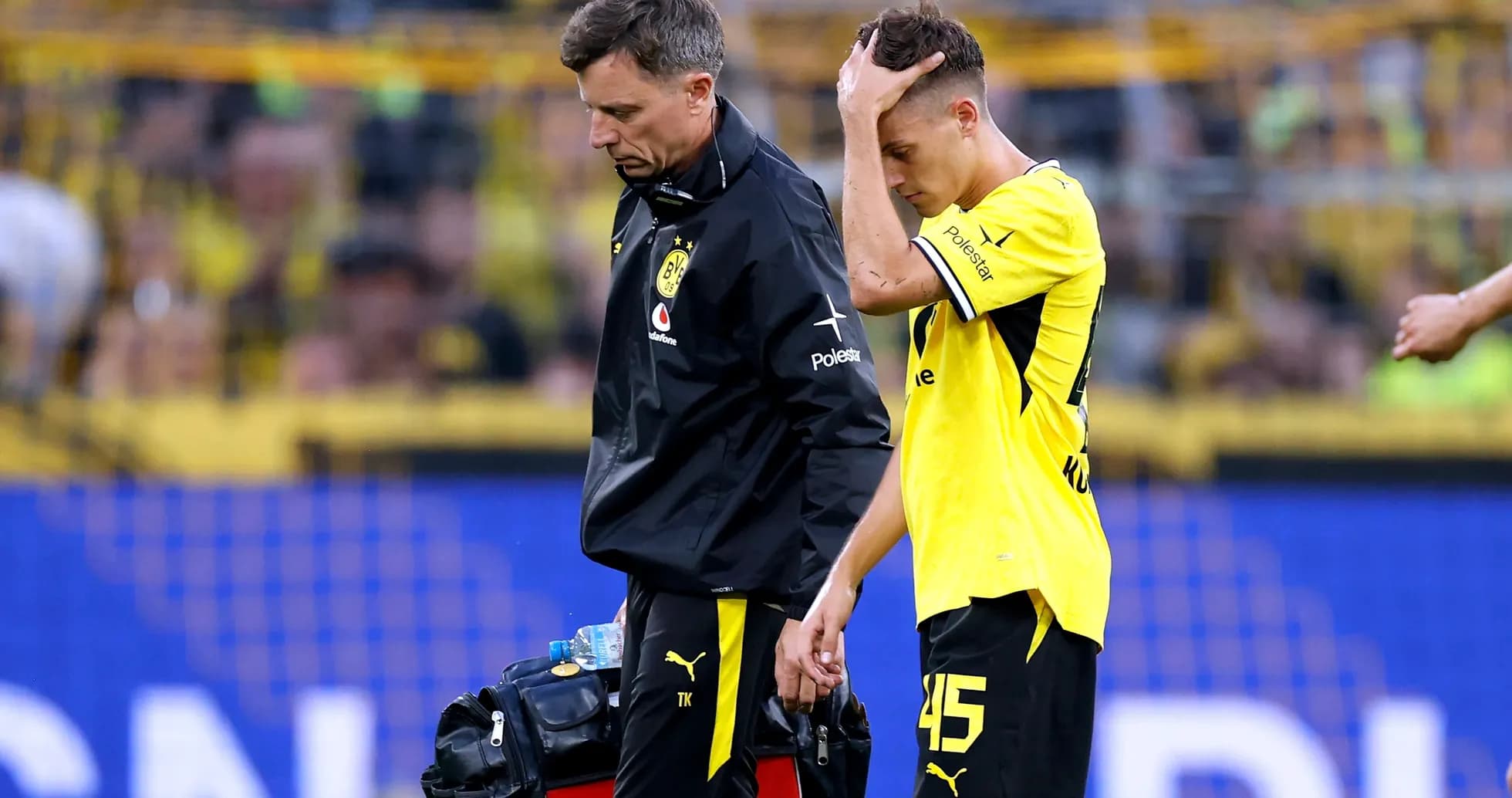
The Ecuadorian signalled that something was wrong and came off, replaced by Valentin Barco, who helped Chelsea see out the game. Alonso revealed that Caicedo had been cautious and honest about how he felt, choosing to stop rather than risk something worse. Sensible, yes. But also worrying, given his importance to the midfield balance Alonso is trying to build.
Chelsea walk away with the win, the goals, and the perfect start intact. But as the season stretches ahead, one question lingers: can they keep this momentum if key pieces like Caicedo keep breaking at the wrong time?