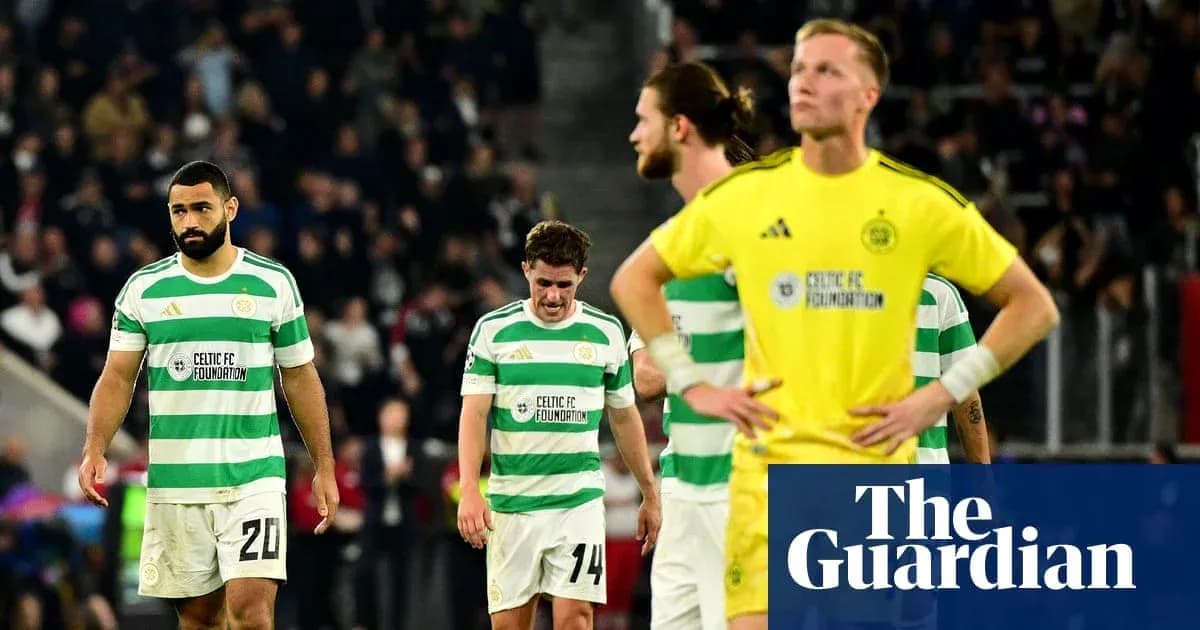
Celtic's Shocking Collapse in Champions League: From Control to Catastrophe
Martin O’Neill did not try to dress it up. On a night when Celtic were 4-0 up on aggregate and already had one foot in the Champions League, his team contrived to suffer one of the most astonishing collapses in the club’s European history – and one of the most painful evenings of his long reign.
From cruise control to catastrophe
Callum McGregor’s crisp finish in the 21st minute in Austria, adding to a 3-0 first‑leg advantage over Lask, should have killed the contest. Celtic looked to be strolling into the league phase, the kind of routine second leg that allows a side to manage the game, the clock and their emotions.
Instead, it became a nightmare.
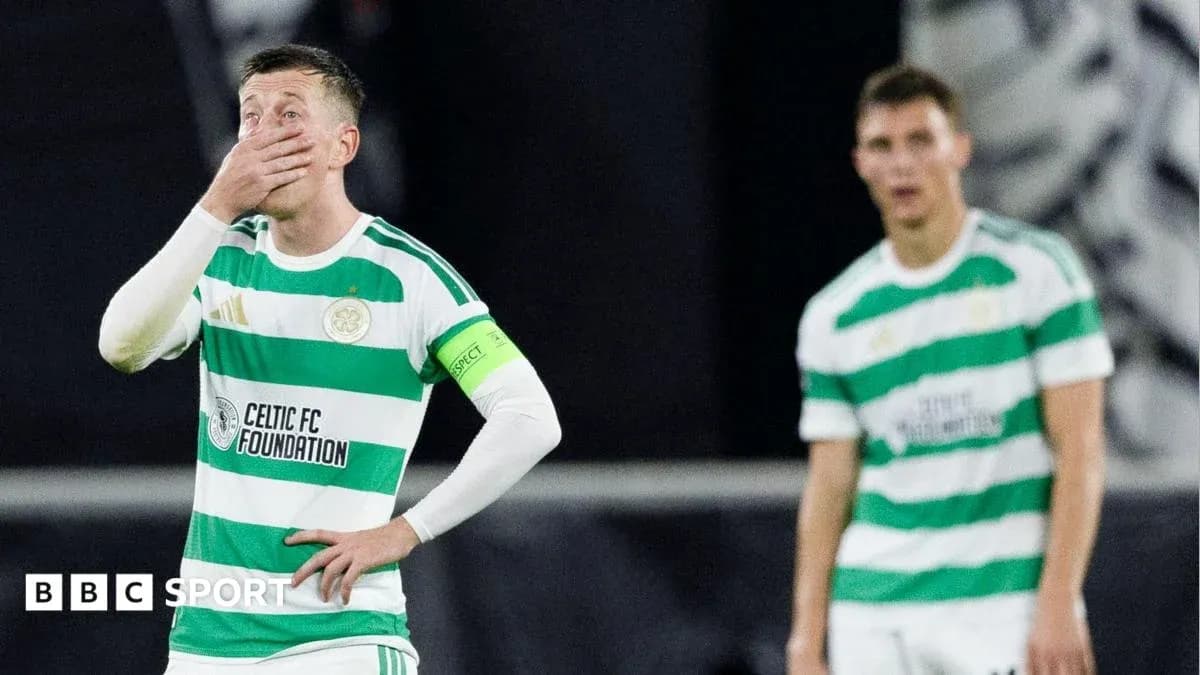
Celtic, who had carved out a four-goal cushion and several more chances, unravelled. They were beaten 5-1 on the night after extra time, ejected from the Champions League and dumped into the Europa League, with a financial hole of at least £20m to go with the sporting humiliation.
For O’Neill, a man who has presided over more than 300 matches in charge of the club, this one cut deep.
“I would say absolutely, yes,” the 74-year-old said when asked if it ranked among his worst nights. “I’d put it down before the disappointment of losing the Uefa Cup final in 2003, but it’s so, so disappointing.”
Missed chances, opened doors
The story of the collapse was written in the space between what Celtic should have done and what they actually did.
“We should have been out of sight by half-time,” O’Neill said. They had the early goal. They had two “great, great opportunities” to extend the lead and smother any hint of a Lask fightback. They failed to take them.
Then came the turning points. A lifeline conceded just before half-time. Another blow just after the restart. Suddenly, Lask were energised, the stadium alive, and Celtic shrinking into themselves as the Austrian side came “roaring back”.
The goals Celtic conceded, O’Neill admitted, were “from our viewpoint, not good goals at all”. Soft moments. Poor decisions. A collective loss of control. And the manager did not shy away from where the buck stops.
“But that’s my team and that’s my responsibility,” he said.
Questions for another day
The collapse inevitably raised doubts about the depth and strength of the squad. O’Neill was pressed on whether his group was equipped for this level. He chose not to ignite that debate in the immediate aftermath, but he did not pretend the opposition were weak.
“These are tough games. And it might only be a Champions League qualifying game, but it felt like a Champions League game,” he said. “I thought they were a fine side. But that doesn’t matter. We should have been able to have seen it through. And we didn’t do.
“Talking about the squad, that’s for another day.”
That “other day” will come quickly. The financial hit from dropping into the Europa League is stark, the minimum £20m swing shaping what Celtic can do in the market and how they build from here.
“We actually looked scared”
On the pitch, McGregor did not seek refuge in excuses. The captain’s assessment was as blunt as his manager’s.
“We got what we deserved,” he told Amazon Prime. “I thought we were so passive. All night. We actually looked scared to go and win the game, and when you are 3-0 up it’s psychological.”
His honesty did not stop there. The warning signs, he suggested, were already there in Glasgow.
“To be honest I didn’t think we were that good in the first leg, either. We scored at good times and kind of got away with it. You go 3-0 and you think you’ve got a real chance but when you play like that you can’t have any excuse whatsoever.”
Celtic’s captain knows what this means in the stands and in the boardroom. This was not a narrow, unlucky exit. It was a collapse from a position of absolute control.
“We have to suck it up, apologise to the supporters and the club because there is no way that we should lose that game … Now you’ll see what kind of characters are in there.”
The Champions League dream has gone for another year. The money has gone with it. What remains is a bruised dressing room, a wounded manager and a Europa League campaign that will now double as a test of Celtic’s nerve.