Cape Verde's Historic World Cup Journey: Nerve and Strategy
Cape Verde arrived in Houston with a chance that was never supposed to be theirs. A tiny island nation off the west coast of Africa, playing in their first World Cup, somehow stood 90 minutes away from the knockout rounds. All they needed was a point against Saudi Arabia – and a little help from Spain in distant Guadalajara.
They got the first part. And they earned every second of it.
Bubista rolls the dice, keeps his talisman
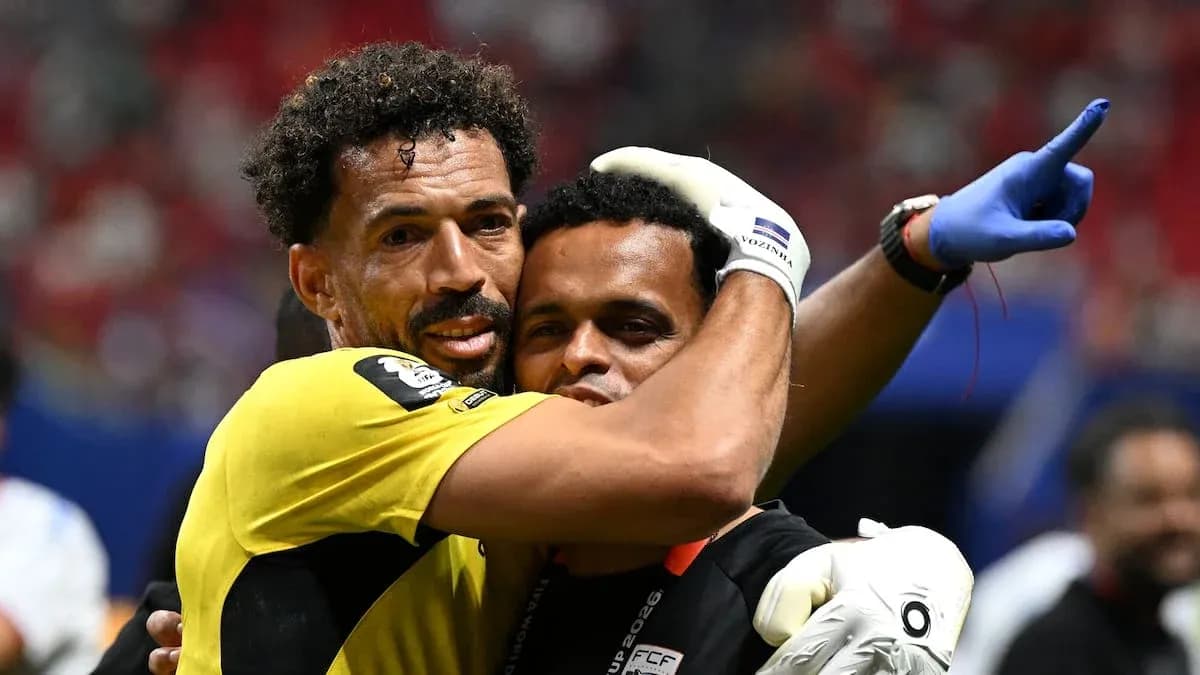
With history within reach, coach Bubista took a risk. He changed half his starting XI, some of it forced, some of it bold, but there was never any doubt about one position. Vozinha stayed.
The 40-year-old goalkeeper had already become the face of this campaign. He had kept Cape Verde alive almost on his own in that astonishing opening draw against European champions Spain, a result that announced the newcomers to the world. Then came a fearless 2-2 against two-time world champions Uruguay, a point that turned a fairytale appearance into a genuine qualification shot.
Saudi Arabia, though, were not just extras in the story. They arrived in Houston still alive themselves, knowing that a win could flip the script again in this wild group.
A tight first half, and a twist from Mexico
The early stages belonged, just about, to Cape Verde. They played with a calm that belied the stakes, moving the ball with purpose and pinning Saudi Arabia back for spells. The Saudis, who had drawn 1-1 with Uruguay before being taken apart 4-0 by Spain, struggled to impose themselves.
Their night worsened on 33 minutes. Hassan al-Tambakti, the experienced defender and organiser at the back, went down and stayed down. He left the pitch on a stretcher, a blow that seemed to drain belief from his teammates as much as it weakened their back line.
Cape Verde sensed the uncertainty but could not land the decisive punch. Willy Semedo came closest, flashing a strike not too far wide of the post, but clear chances were scarce in a tense, cautious half.
Then news filtered through from Guadalajara. Spain had taken the lead against Uruguay just before the interval. The reaction inside the Houston stands told its own story: Cape Verde fans erupted, flags waving, drums pounding. At that moment, with Spain ahead and their own match goalless, Bubista’s side were going through at Uruguay’s expense.
Ninety minutes of football were suddenly about more than what was happening in front of them.
Missed chances and rising tension
The second half began with the kind of opportunity that can define a nation’s World Cup memory. Three minutes after the restart, Jamiro Monteiro found himself close in, the ball sitting up invitingly. The finish, though, lacked conviction. His weak effort let Saudi Arabia off the hook.
The pressure did not relent. Kevin Pina stepped up from distance, unleashing a strike that whistled just wide, the sort of effort that leaves a stadium holding its breath. Cape Verde were not sitting on the draw; they were pushing, probing, trying to finish the job themselves rather than relying on events in Mexico.
Saudi Arabia, curiously, did not respond with the urgency of a team staring at elimination. Even as the match moved into its final quarter, they laboured in possession, short on ideas and incision. Cape Verde, who only needed a point, looked the side more likely to score.
Still, the margins remained thin. One mistake, one moment, could have undone everything.
Goalkeepers keep the dream alive
If Vozinha had been the headline act of Cape Verde’s World Cup so far, this time he shared the stage. In the 75th minute, with nerves fraying, Mohammed al-Owais produced a vital save to keep Saudi Arabia alive, denying Laros Duarte with a strong stop that cut through the growing noise around him.
It was a reminder that Cape Verde were walking a tightrope. They had control of the situation, but not the comfort of a lead. The clock ticked down, every clearance cheered, every interception greeted like a goal.
A point was enough. It always had been. Yet as the match drifted into its dying minutes, it was Cape Verde who still carried the greater threat, still stepping forward, still refusing to retreat into their shell.
They had come too far to simply cling on.