Brighton vs Manchester United: Tactical Analysis and Season Summary
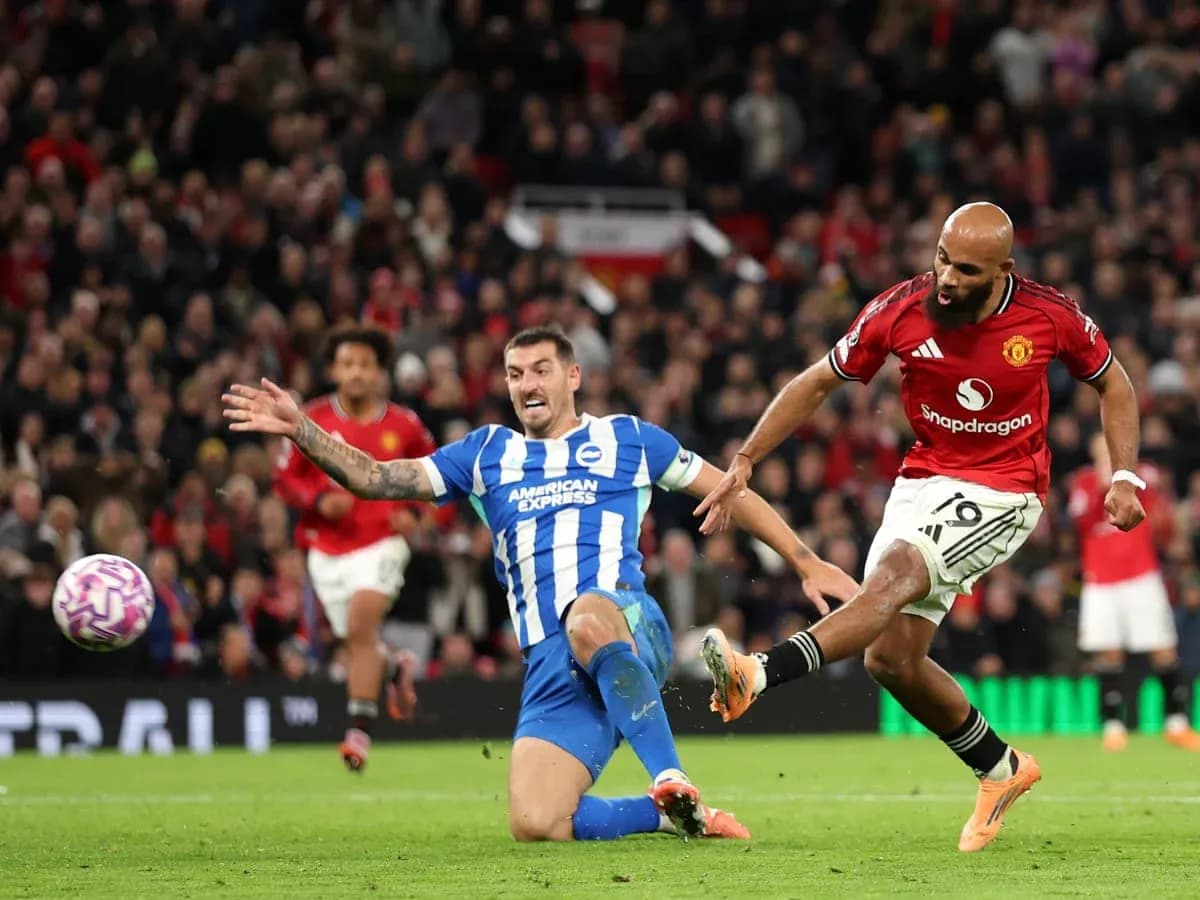
The Amex Stadium closed its Premier League season under grey skies and a red tide. Following this result, Brighton’s 3–0 home defeat to Manchester United sealed an eighth‑place finish for the hosts on 53 points, while United cemented third with 71 points. Over the campaign, Brighton’s goal difference settled at +6 (52 scored, 46 conceded), United’s at +19 (69 scored, 50 conceded) – numbers that framed, and were reaffirmed by, what unfolded across the 90 minutes.
I. The Big Picture – Structure and Seasonal DNA
Both managers mirrored each other on the teamsheet, rolling out 4‑2‑3‑1s that told different stories. Fabian Hurzeler’s Brighton leaned into their possession‑first identity: Bart Verbruggen behind a back four of M. Wieffer, Jan Paul van Hecke, Lewis Dunk and Ferdi Kadioglu, with Pascal Gross and James Milner as the double pivot. Ahead of them, a fluid band of three – Diego Gomez, Jack Hinshelwood and Milan De Cuyper – supported lone striker Danny Welbeck.
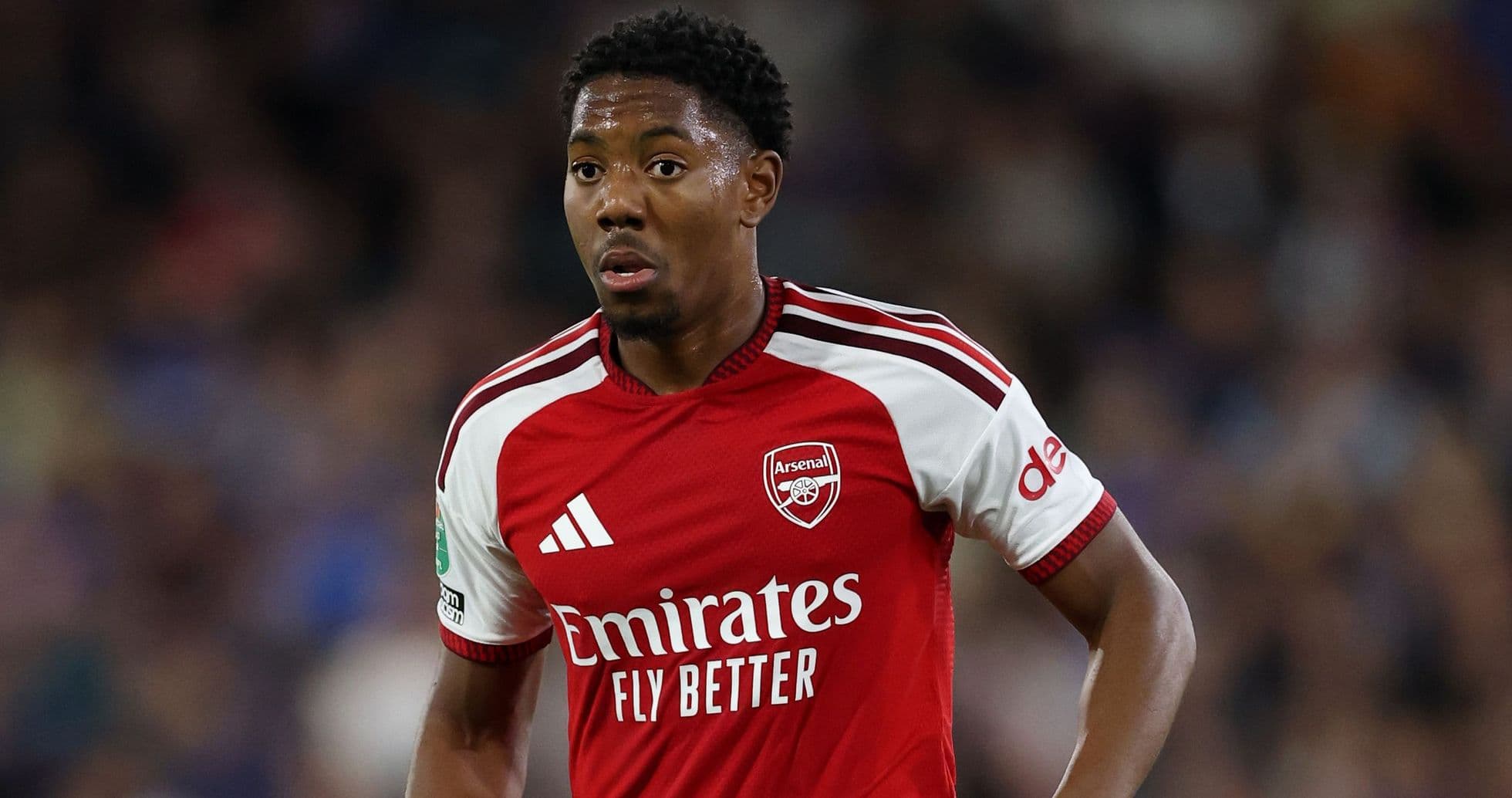
Michael Carrick’s United used the same shape but a different accent. S. Lammens started in goal, shielded by Noussair Mazraoui, Harry Maguire, Lisandro Martinez and Luke Shaw. Kobbie Mainoo and Mason Mount formed a mobile, press‑capable midfield base, with Amad Diallo and young P. Dorgu flanking Bruno Fernandes behind Bryan Mbeumo.
Across the season, the numbers already hinted at this contrast. Heading into this game, Brighton at home averaged 1.6 goals for and 1.1 against, a side that liked to play and usually found a way through. United on their travels averaged 1.6 goals scored and 1.4 conceded – more expansive, more open, but with superior cutting edge. At the Amex, that away ruthlessness met a Brighton side that blinked at the wrong moments.
II. Tactical Voids – Absences and Discipline
The absentees shaped the contest before a ball was kicked. Brighton were again without Kaoru Mitoma, whose hamstring injury removed their most direct left‑side dribbler, and they also lacked S. Tzimas and Adam Webster through knee problems. Without Mitoma, Hurzeler’s left flank lost its natural one‑v‑one threat; De Cuyper offered industry and timing but not the same chaos, forcing Brighton to build more patiently and narrower.
United’s omissions were just as telling but differently felt. Casemiro, listed as inactive, plus the injured Benjamin Sesko and Matthijs de Ligt, stripped Carrick of a natural destroyer, a direct penalty‑box No 9, and a dominant aerial centre‑back. The response was structural: Mainoo and Mount as a dynamic, front‑foot double pivot, and Mbeumo as a channel‑running forward rather than a penalty‑box target. It meant United defended more by pressing and counter‑pressing than by sitting in a deep block.
Across the season, Brighton’s yellow cards showed a clear pattern: a peak between 46–60 minutes with 27.91% of their cautions, then another late‑game rise at 76–90 and 91–105 minutes (both 15.12%). United’s discipline followed a similar arc, with 21.88% of yellows arriving between 46–60 minutes and 20.31% from 76–90 minutes. This match followed the script in tone if not in specific bookings: as Brighton chased and United countered, the second half became stretched, exactly the zone in which both sides historically flirted with cards and chaos.
III. Key Matchups – Hunter vs Shield, Engine Room vs Enforcer
The headline duel was “Hunter vs Shield”: Danny Welbeck against United’s away defence. Over the season, Welbeck scored 13 league goals and carried Brighton’s penalty‑box threat, but his record from the spot was imperfect – one penalty scored and two missed. That fragility from 12 yards mirrored Brighton’s broader attacking story: attractive approach play, but not always ruthless. United, who conceded 26 goals away, were vulnerable but used structure to narrow Welbeck’s space. Maguire and Martinez held a compact line, while Shaw and Mazraoui squeezed inside when Brighton tried to overload the half‑spaces. Welbeck was often forced to receive with his back to goal, away from the zones where he has been most clinical.
On the other side, Bryan Mbeumo was United’s primary “hunter”. With 11 league goals and 3 assists, plus 59 shots (32 on target), he thrived on transitions. Brighton’s overall defensive record – 46 conceded in total, 20 at home – was respectable, but their high line and commitment to build from the back always carried risk. Dunk, one of the league’s top card collectors with 10 yellows, is a master of last‑ditch timing; his 27 successful blocks this season underline his willingness to stand in the line of fire. Yet the more Brighton pushed Gross and Milner forward to break United’s press, the more space opened for Mbeumo to attack the channels between Dunk and his full‑backs.
The “Engine Room” battle was even more decisive. Bruno Fernandes arrived as the league’s leading creator with 21 assists and 9 goals, backed by 1,994 total passes and an extraordinary 137 key passes. Against him, Brighton’s shield was less an enforcer and more a pair of metronomes: Gross and Milner. They sought to smother Fernandes not with crunching tackles but by starving him of the ball, circulating possession and pinning United deeper.
But Carrick’s tweak – using Mainoo and Mount as dual pressers – repeatedly disrupted Brighton’s rhythm. Whenever Verbruggen, Dunk or van Hecke tried to build through the middle, United’s midfield triangle snapped into shape: Mainoo stepped to Gross, Mount jumped onto Milner, and Fernandes hovered, ready to pounce on loose touches. Once United turned the ball over, Fernandes’ vision and Mbeumo’s runs became the cutting edge that Brighton’s more intricate, slower combinations could not match.
IV. Statistical Prognosis – What the Numbers Say About the Future
Across 38 matches, Brighton’s overall scoring average of 1.4 goals per game against 1.2 conceded paints them as a positive‑GD side built on control and incremental advantages. United’s 1.8 goals scored and 1.3 conceded overall mark them as a higher‑variance, higher‑ceiling outfit. That dynamic played out ruthlessly in this 3–0 away win: Brighton had structure, but United had the more decisive final‑third talent.
From an xG‑style lens, Brighton’s model suggests they will continue to generate steady chances, especially at home, but they must sharpen their penalty‑box efficiency and diversify beyond Welbeck, whose penalty record (two misses) underlines the need for a more reliable set‑piece taker. United, by contrast, can expect their attacking numbers to remain strong so long as Fernandes continues to create at this rate and Mbeumo, plus options like Matheus Cunha from the bench, offer varied threats.
Defensively, Brighton’s 10 clean sheets (5 at home, 5 away) show they can shut games down when their press and possession click. United’s 8 clean sheets are fewer, but their ability to win 3–0 away at a side as solid as Brighton hints at a team whose defensive solidity is improving in step with their attack.
Following this result, the tactical balance sheet is clear. Brighton have a defined identity and a core of ball‑secure players, but need more vertical threat and penalty‑box ruthlessness. United, with a third‑place finish and a +19 goal difference, look like a side whose xG and defensive trends justify Champions League ambitions – a team that, on days like this at the Amex, can turn structure and star power into a statement win.