Branthwaite's Defiance: Everton Holds Spurs to a Draw
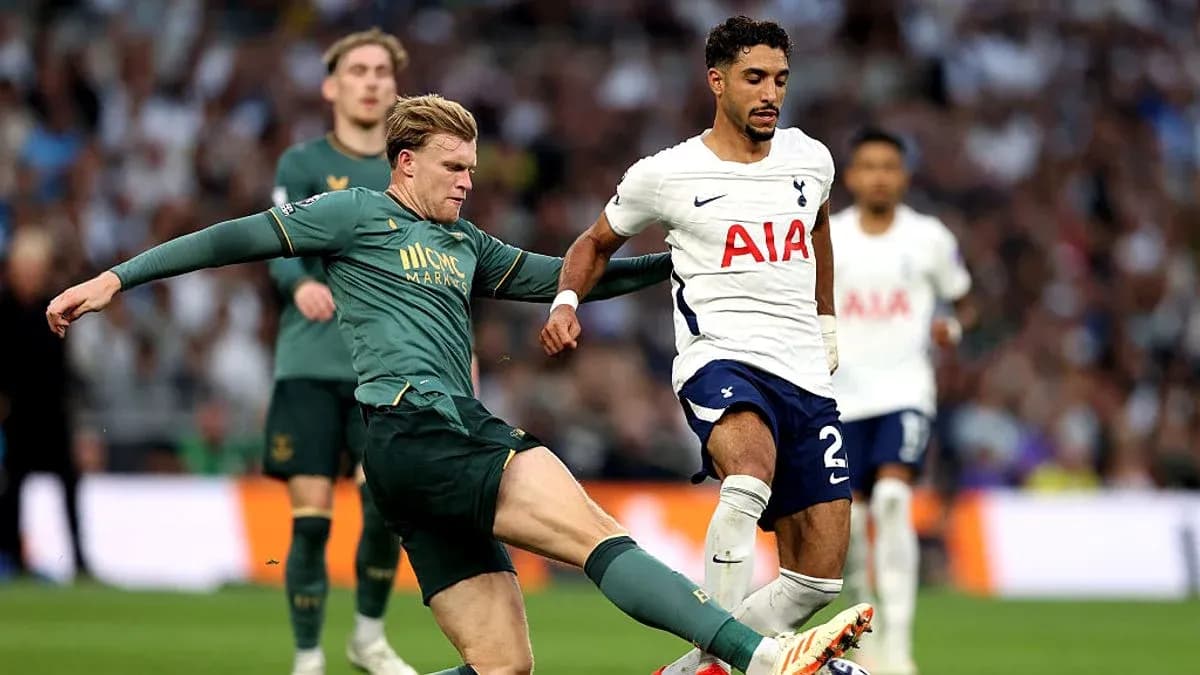
Jarrad Branthwaite knew the hit was coming. He saw the bodies flying towards him, felt the chaos swirling in the box, and still launched himself into the north London sky. He met the ball, headed clear, then crashed to the turf as the contact arrived right on cue.
He got up. Of course he did.
It was the last meaningful act of the game and it summed up his afternoon. Everton’s centre-back started this match throwing himself in front of everything and finished it the same way, his body a barrier between Tottenham Hotspur and any sense of relief.
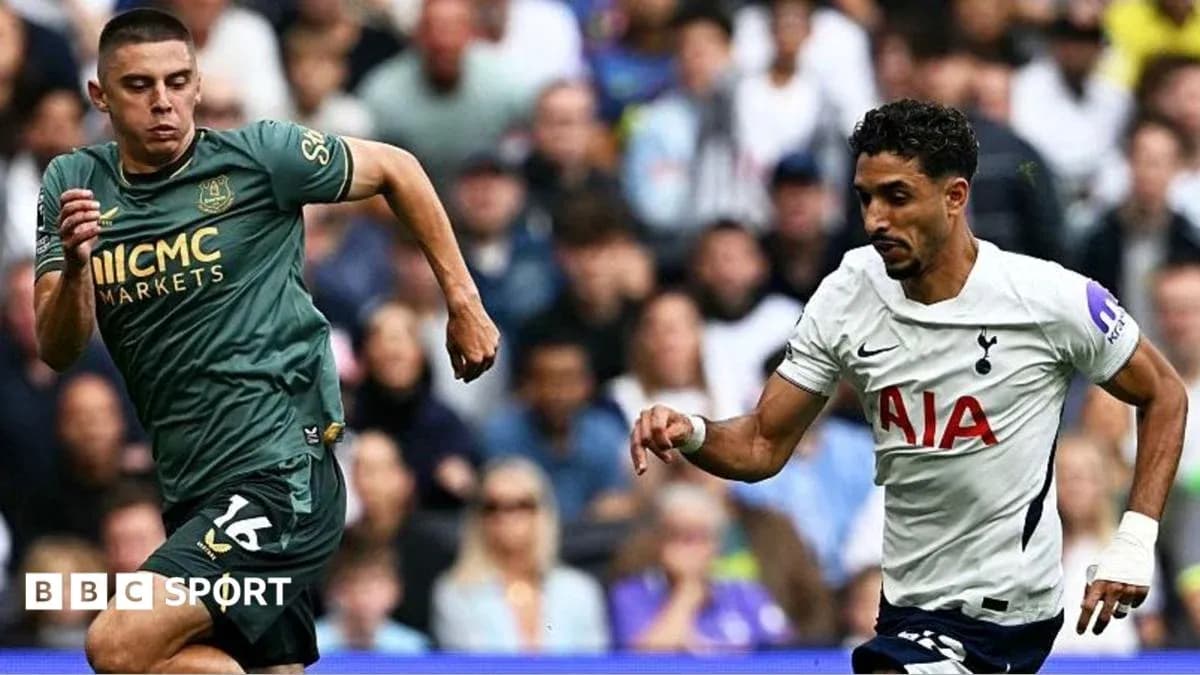
For long spells, Spurs swarmed all over Everton. They flew out of the blocks, pinning back the visitors’ full-backs and swamping the midfield. Matheus Fernandes, Omar Marmoush, Dominic Solanke and Savio buzzed around the final third, interchanging, probing, dragging blue shirts around.
They caused havoc. They did not score.
The main reason wore No 32.
Branthwaite, the £1m wall
No player shapes the ceiling of this Everton side more than the 24-year-old at the heart of its defence. Four league games into the campaign, four starts for Branthwaite, and a growing sense that everything Everton hope to be this season depends on him staying upright.
No one at the club dares take that for granted. A year already lost to injury sits in the background of every performance, every sprint, every collision. The talk of an England recall this month comes with a caveat: pride, and a flicker of worry about how much more his body can absorb.
But his potential is not a theory. It is there, in moments like this. Spurs hurled more than £400m worth of attacking talent at Everton across the afternoon. None of them found a way past a defender signed from Carlisle for around £1m.
The more Tottenham attacked, the more the mood shifted. Early optimism in the stands – every forward run cheered, every overlap roared – slowly curdled. Attacks broke down, crosses were headed away, shots thudded into blue shirts. Hope gave way to groans, then to open frustration.
By the time the final minutes arrived, desperation had taken over.
Spurs waste, Everton stand firm
For all that pressure, Jordan Pickford barely had to make a serious save. The only time he truly felt threatened came right at the end, when Lucas Bergvall finally slipped through and forced him into action – a chance that only existed because Pickford had given the ball away in the first place.
That summed up Spurs’ afternoon: when an opening finally appeared, it came from Everton’s mistake, not their own invention.
When referee Darren England blew for full-time, the noise told its own story. The home players walked off to boos, the air thick with anger and disbelief. At the other end, Everton’s squad crossed the pitch to a chorus of appreciation, their travelling supporters in full voice as the players applauded them back.
David Moyes’ team did not produce a performance for the ages. It was not that. For 45 minutes they were second best, unable to get out, unable to stitch together any meaningful attacking move. Their first real chance arrived on the stroke of half-time, James Garner whipping a free-kick around the wall and forcing Antonin Kinsky into a smart save at his post.
That was it. One set-piece, one glimpse. Then the whistle and a chance to reset.
A different Everton after the break
The Everton that emerged for the second half looked different. Not transformed, but bolder. They began to believe the clean sheet could be something more than a rear-guard exercise.
Thierno Barry ghosted in at the back post early in the half and met a cross that begged to be buried, only for Kinsky to shut the door again. It was a warning that Everton were no longer just surviving.
Spurs felt it. The crowd felt it. Anxiety crept into every misplaced pass, every heavy touch. A team still searching for their first league win of the season started to look like they knew it.
Kinsky then played himself into trouble, rolling the ball out to Kiernan Dewsbury-Hall under pressure. The midfielder drove forward but fired straight at the goalkeeper, a let-off that did nothing to calm the home support.
Moments later, Dewsbury-Hall threaded a clever pass into Brennan Johnson’s run. Johnson surged into the box, the angle opening up, the stadium rising. He lashed at it. High, wide, and greeted by a collective howl of disbelief.
Those misses hung in the air. Everton, sensing Spurs’ nerves, grew stronger in their shape and more assertive in their challenges. Every block, every clearance from Branthwaite and those around him chipped away at Tottenham’s conviction.
Pride, regret – and an unbeaten start
Everton will leave north London with mixed emotions. Given their history here and the ferocity of the early onslaught, a point and a clean sheet represent progress and pride. Yet they will also know that, in that second half, the game drifted into a territory where they might have stolen all three.
Still, context matters. The club has staggered through the opening weeks of the season under a cloud of turmoil off the pitch, yet remains unbeaten on it – and not by accident. They have earned that record.
As one journalist observed before the post-match press conference, this was perhaps the first time all season that Spurs, in that second half, looked further away from scoring than at any point in their campaign.
At the centre of that verdict, and at the centre of everything Everton did right, stood Branthwaite – rising, blocking, clearing, and quietly dragging his team’s ambitions a little higher with every challenge.