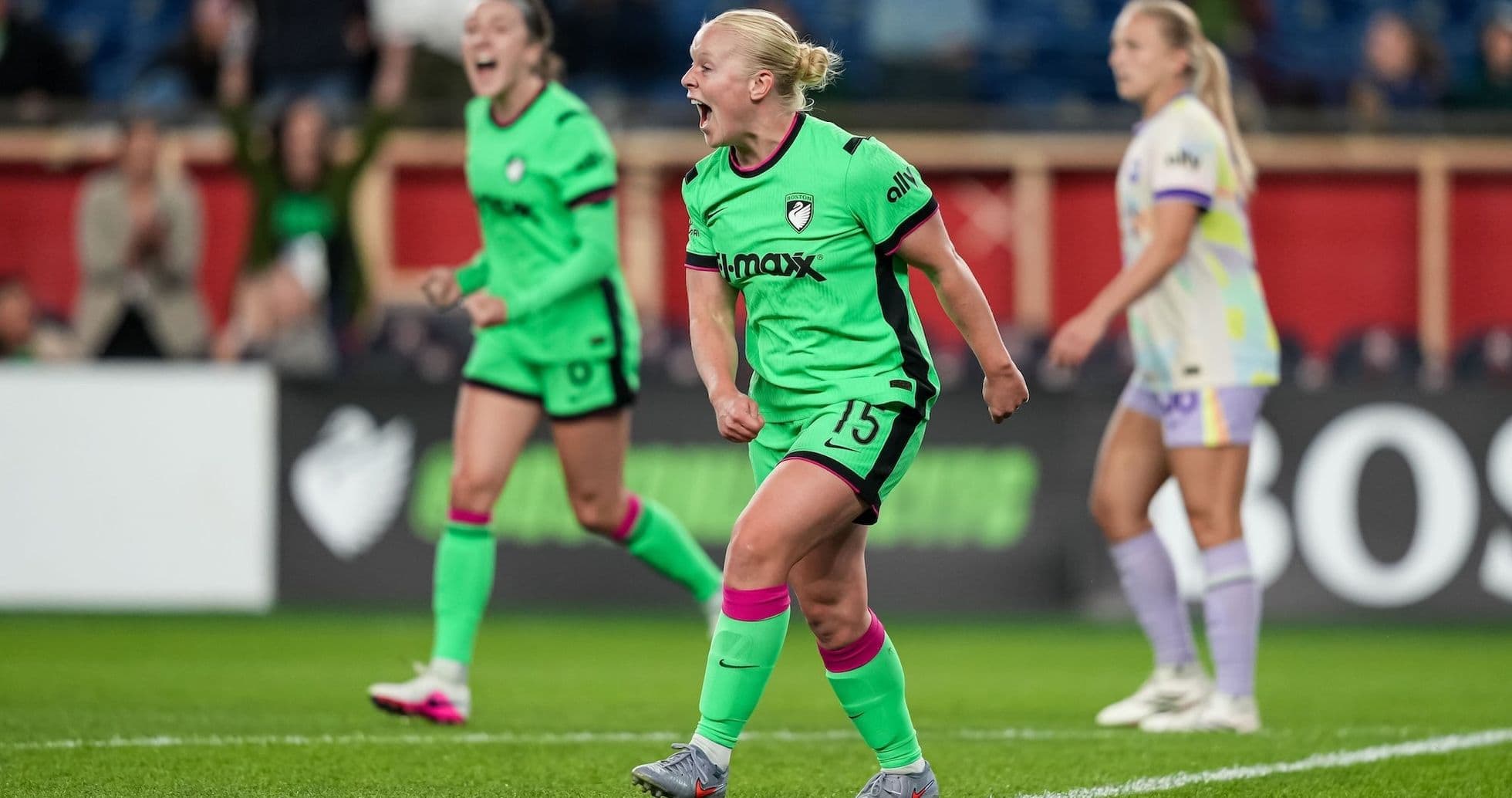
Boston Legacy W Stuns Orlando Pride W in 2-1 Comeback Win
Gillette Stadium had barely settled under the Massachusetts night when this NWSL Women group-stage tie flipped its own script. Orlando Pride W, organised and familiar in their 4-2-3-1, walked into Foxborough as the side with the clearer identity and the higher ceiling. Boston Legacy W, 14th in the standings with 8 points and a goal difference of -6 overall (9 scored, 15 conceded), were still a team in search of themselves. Yet over 90 minutes they turned a 0-1 half-time deficit into a 2-1 win, a result that says as much about evolving squad dynamics as it does about the tactical story on the night.
Match Statistics
Heading into this game, the numbers drew a stark contrast. Boston’s season had been defined by fragility: overall they were conceding 1.7 goals per match, with that figure climbing to 2.0 on their travels and 1.5 at home. They had yet to keep a clean sheet, and in total had failed to score in 4 of 9 league fixtures. Orlando, by comparison, sat 7th with 11 points and a neutral goal difference overall (13 for, 13 against), built on a relatively balanced profile: 1.4 goals for and 1.4 against per match in total, and a robust away attack of 1.5 goals on their travels.
First Half
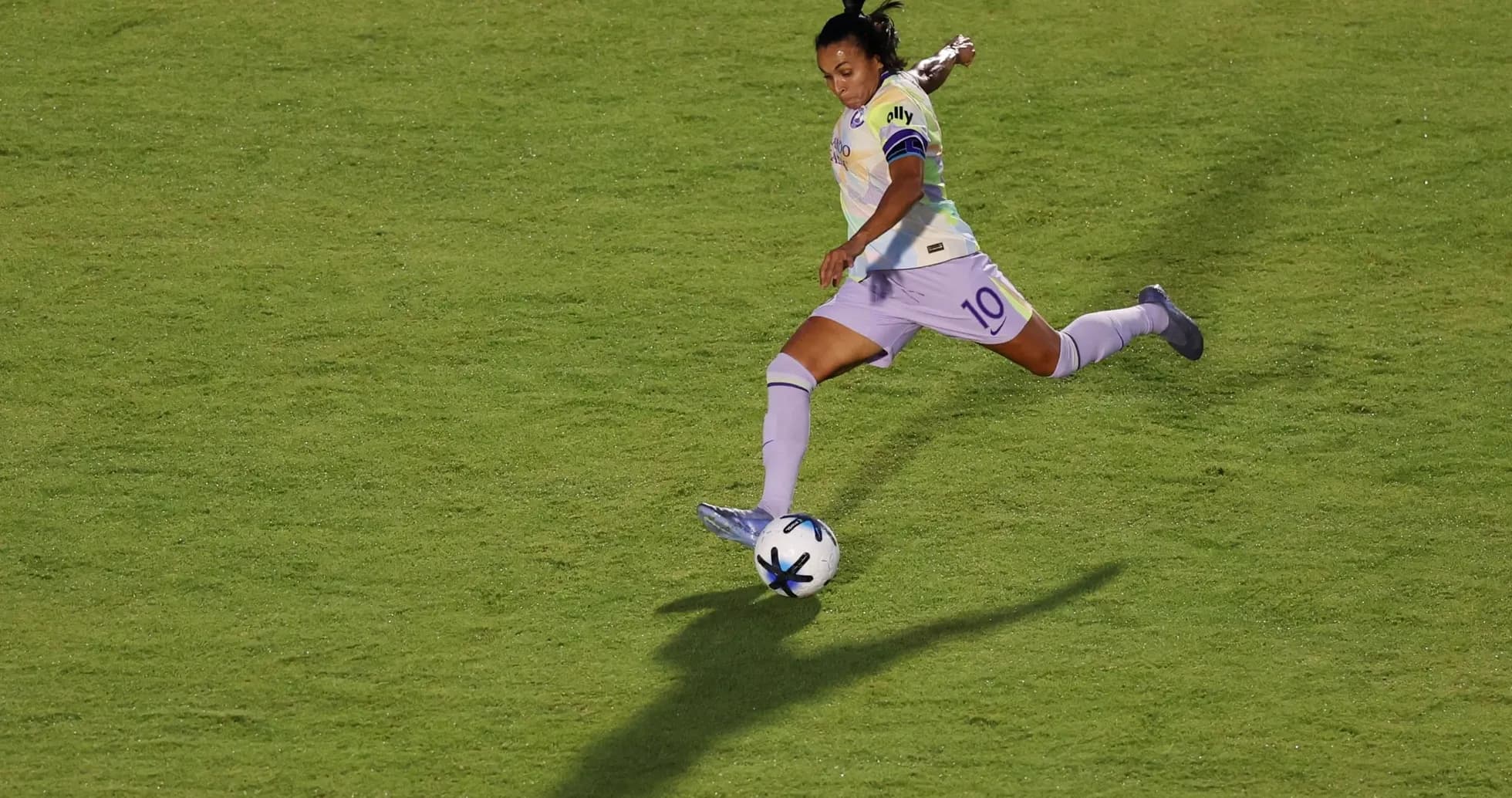
The opening 45 reflected those trends. Orlando’s settled 4-2-3-1, used in all 9 league matches, projected clarity: A. Moorhouse behind a back four of H. Mace, C. Dyke, Rafaelle Souza and O. Hernandez; a double pivot of J. Doyle and H. McCutcheon; then a creative line of Angelina, Marta and S. Yates supporting S. Jackson. It is a structure that naturally compresses central space and invites wide overloads, trusting Marta and Angelina to find pockets between the lines.
Boston, by contrast, listed without a recorded formation and with a relatively experimental feel. C. Murphy started in goal behind a defensive unit of J. Carabali, Lais and E. Elgin. In midfield, Alba Caño, A. Karich, J. Hasbo and B. Olivieri were tasked with both screening and springing transitions, while the front line of N. Prince, A. Traore and B. St.Georges carried the attacking burden.
Second Half
If Orlando’s first half belonged to structure, the second half belonged to personality. Boston’s season-long disciplinary profile hinted at a side that lives on emotional edges: a cluster of yellow cards spread between 16-90 minutes and a solitary red arriving in the 76-90 window. On the pitch, that edge is personified by figures like A. Traoré and J. Carabalí. Traoré, one of the league’s leading yellow-card collectors with 3 bookings, came into this fixture with 2 goals and 1 assist from 9 appearances, plus 71 duels contested and 20 fouls drawn. She is both outlet and agitator, a forward who turns second balls into territory and pressure.
Behind her, Carabalí is Boston’s defensive anchor. Across 9 appearances she has produced 14 tackles, 3 successful blocks and 11 interceptions, while committing 11 fouls and taking 3 yellows of her own. Her willingness to step in and break lines with the ball – 311 passes at 75% accuracy, including 5 key passes – makes her more than just a stopper. Together with Alba Caño and Karich, she forms the spine of a side that is learning to suffer and still punch back.
Alba Caño, in particular, is the quiet metronome of this team. With 2 goals, 10 key passes and 27 tackles across 9 matches, she is the rare midfielder who both progresses play and wins it back. Her 65 duels and 37 won show a player comfortable in the chaos that Boston often inhabit. Karich, meanwhile, adds control: 453 passes at 85% accuracy and 22 tackles underline her role as the structural hinge between defence and attack. When Boston’s comeback gathered momentum, it was this midfield axis that allowed them to squeeze Orlando higher up the pitch and play more of the game in the Pride half.
Banda's Impact
For Orlando, the “Hunter vs Shield” narrative was always going to revolve around B. Banda, even though she started on the bench here. Heading into this game, Banda led the league scoring charts with 7 goals in total from 33 shots (20 on target), plus 12 key passes and 21 fouls drawn. She is the prototype modern NWSL forward: direct, relentless in duels (87 contested, 37 won), and constantly stretching defensive lines. Against a Boston side conceding 1.5 goals at home and yet to record a single clean sheet, the expectation was that any minutes for Banda would tilt the xG balance sharply in Orlando’s favour.
Instead, Boston’s “Shield” held. Carabalí’s reading of the game, supported by Elgin and Lais, limited the kind of space Banda typically exploits, while the midfield’s work rate reduced the volume of clean entries into the final third. Even without detailed xG numbers, the pattern is clear: Orlando’s attack, averaging 1.5 goals on their travels, was dragged down below its usual output by a Boston unit that defended higher and more aggressively as the match wore on.
Engine Room Duel
In the “Engine Room” duel, Orlando’s usual playmaking hub, represented in the broader season by someone like L. Ovalle (2 assists, 12 key passes, 80% passing accuracy), found itself matched by Alba Caño and Karich. Where Ovalle typically thrives on receiving between the lines and threading runners, Boston’s midfielders focused on collapsing those spaces, accepting fouls and cards as the tax for disrupting Orlando’s rhythm. Boston’s season-long yellow-card spread – with 22.73% of bookings between 16-30 minutes and a consistent 18.18% in each 31-90 segment – reflects a side that will happily trade cautions for control.
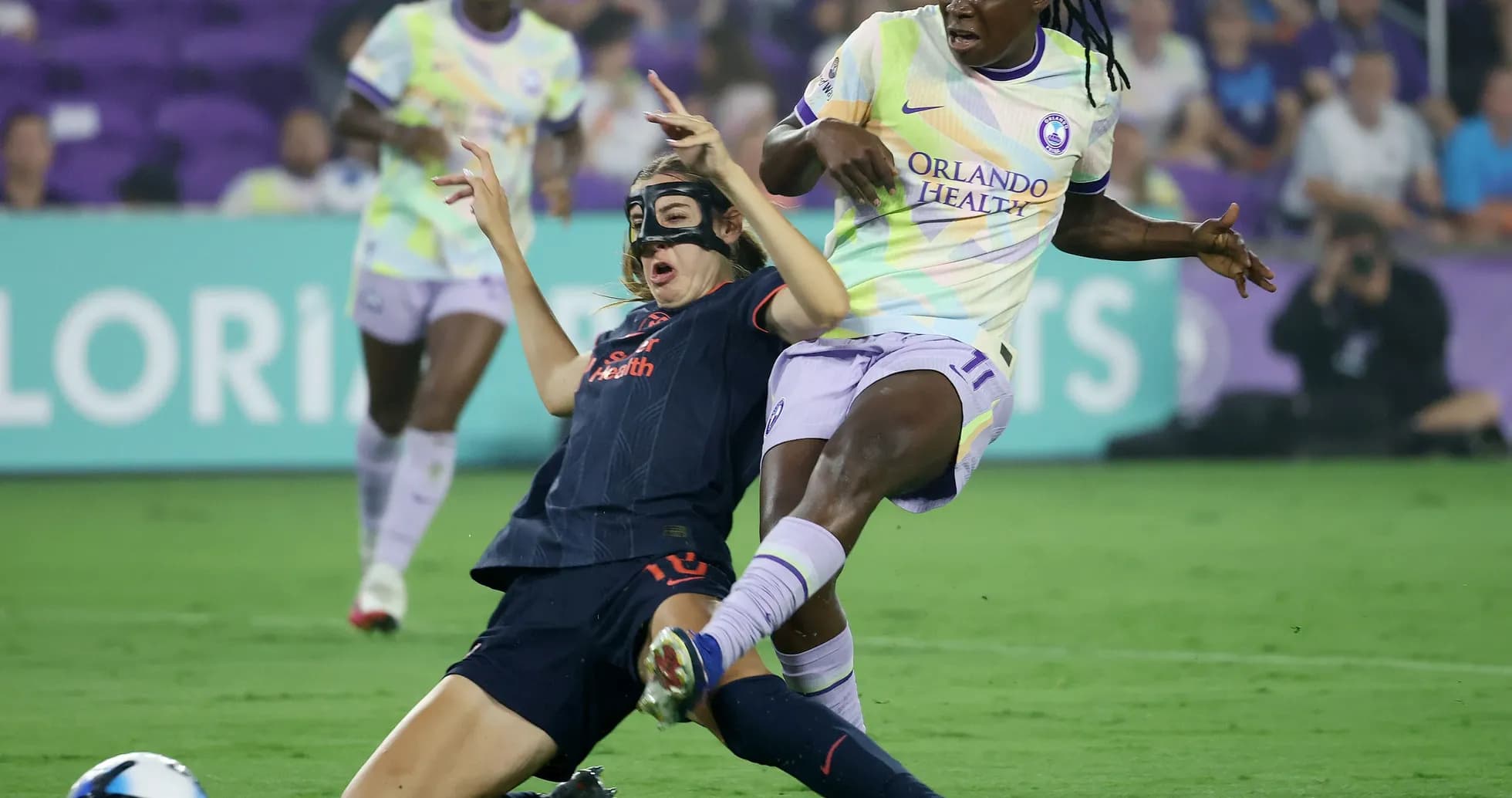
Disciplinary trends mattered for Orlando as well. Their yellow cards cluster late: 25.00% in the 61-75 minute window and another 25.00% between 76-90, plus 16.67% in added time. That late-game spikiness intersected directly with Boston’s growing momentum after the break. As Legacy pushed for an equaliser and then a winner, Orlando’s increasing foul count and cautions fed Boston’s territorial dominance, providing set-piece platforms and moments to reset the press.
Conclusion
From a statistical prognosis standpoint, this 2-1 scoreline is a minor upset against the season’s underlying numbers, but not an irrational one. Orlando remain the more balanced side overall, with 3 clean sheets and only 1 match on their travels without a goal. Yet Boston’s home profile – 8 goals scored in 6 matches at Gillette Stadium, an average of 1.3 at home compared to 1.0 overall – hinted that they were always more dangerous in Foxborough than their league position suggested.
Following this result, the tactical takeaway is clear. Boston Legacy W are evolving from a chaotic, card-prone outfit into a side whose aggression is increasingly purposeful, channelled through the work of Carabalí, Alba Caño, Karich, Traoré and Prince. Orlando Pride W, for all their structural coherence and the individual brilliance of Banda and Marta, found themselves dragged into a game of duels and transitions that blunted their usual control.
On another night, with Banda finding her usual finishing touch and Orlando’s late-game discipline holding, the xG story might tilt the other way. But here, Boston’s willingness to embrace the fight, lean into their midfield engine, and ride the emotional currents of Gillette Stadium turned a statistical underdog into a deserved comeback winner.