Barcelona's Dominance vs Valencia's Struggles at Mestalla
Barcelona’s fast start meets Valencia’s early crisis at Mestalla on Sunday, a Round 4 clash that already feels loaded with consequence for Carlos Corberán.
His Valencia side have crawled out of the blocks: one point from three games, one goal scored, and a defence that hasn’t shut out Barcelona in the league since 2020. The unbeaten leaders arrive with 12 goals in three matches and a swagger that contrasts sharply with the anxiety in the home dressing room.
Valencia stuck in reverse
The numbers are brutal. A goalless draw on opening day, then back-to-back defeats to Real Betis and Deportivo La Coruña. Three games, one point, one goal.
Even that brief spark has been snuffed out. Umar Sadiq, the man who finally got them on the scoresheet, is now out until November with a hamstring injury. Diego López and Sergi Canós remain long-term absentees. Pablo Maffeo and Guido Rodríguez are also unavailable, stripping Corberán of options and experience in key areas.
So he turns to a likely XI built on necessity as much as design: Dimitrievski in goal; Arnau Martínez, Diakhaby, Tárrega and Jesús Vázquez across the back; Rioja, Pepelu and Ugrinic in midfield; Sato and Guerra supporting Duro up front. It’s a side that will almost certainly be asked to sit deep, suffer, and hope.
The problem? Recent evidence suggests they can’t keep teams out when it matters. Valencia conceded two first-half goals in their loss to Deportivo La Coruña, and with just one goal to their name, they have no margin for error.
Barca in gear, Raphinha on fire
Barcelona, by contrast, are already in full stride. Three wins from three in La Liga, 12 goals scored, only two conceded. They’ve led at half-time in every game so far, and they’ve done it with authority.
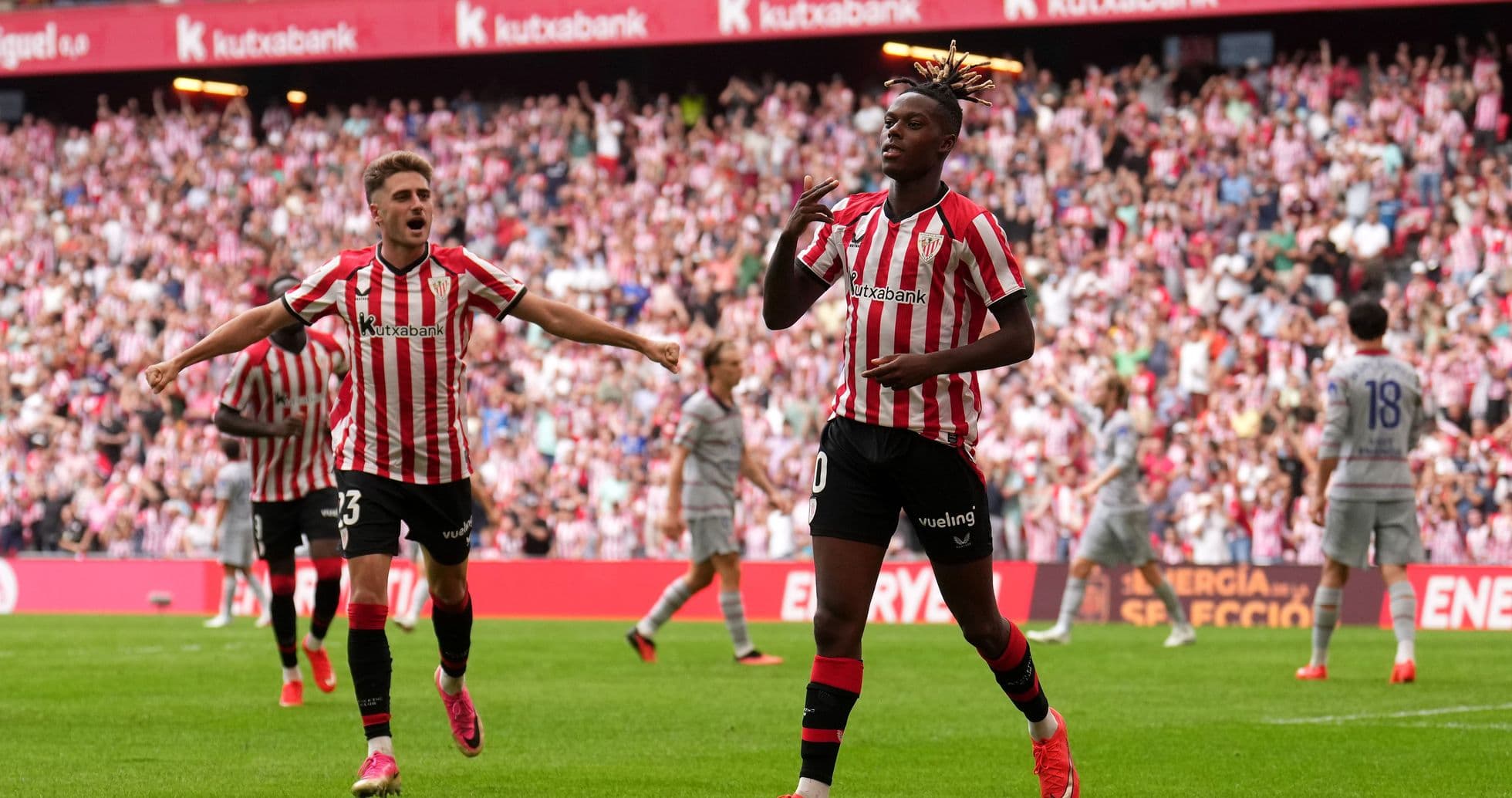
Raphinha is the face of that surge. Five goals in three league games, the top scorer in the division. Two at Elche, another against Athletic Club, and a total of 4.10 expected goals – the highest at the club. He’s not just finishing chances, he’s dominating them.
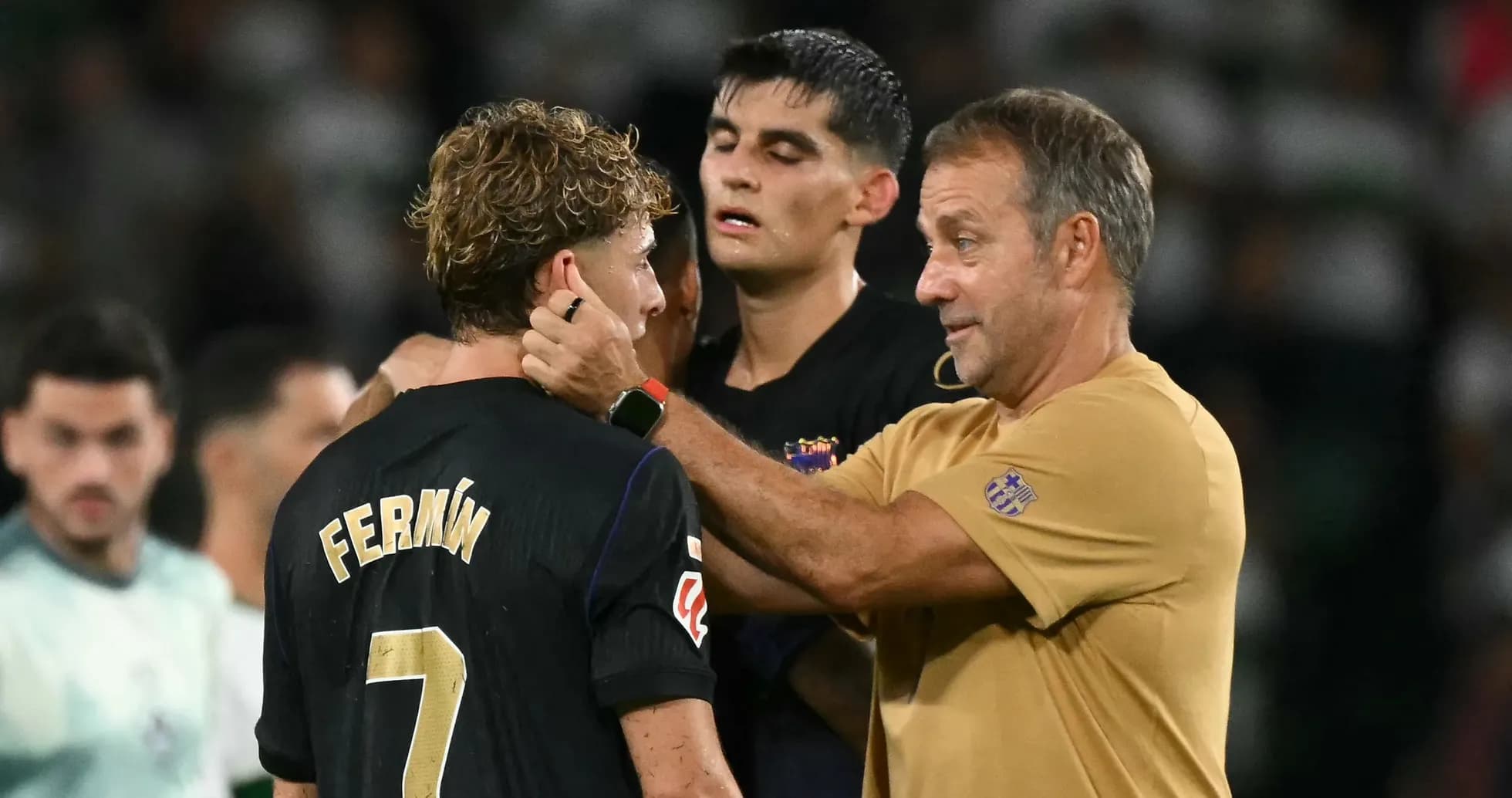
The captain’s armband has only sharpened his edge. With Ter Stegen and Araújo gone, Hansi Flick handed Raphinha the responsibility, and the Brazilian has embraced it. He’s also on penalty duty, as shown at Elche, which adds another clear path to goal.
Behind him, Flick has selection issues but also depth. Frenkie de Jong remains sidelined with a meniscus problem and is not expected back until next month. Roony Bardghji is out long term with a cruciate injury. The positive news is Gavi’s return to training, though this game may still come too soon for a major role.
Even so, Barcelona’s probable lineup looks imposing: Joan García in goal; Koundé, Cubarsí, Christensen and Espart across the back; Bernal and Pedri in midfield; Lamine Yamal, Olmo and Gordon supporting Raphinha in attack. Youth, quality, and plenty of goals in their boots.
Half-time control, full-time dominance?
The pattern of Barcelona’s season so far is hard to ignore. They’ve been ahead at the break in all three league games. Raphinha struck on 37 minutes to put them in front against Athletic Club. At Elche, they were in command inside 14 minutes.
Valencia, on current form, don’t look equipped to resist that early surge. Corberán’s team have one point and one goal from three matches, and they’ve already shown a vulnerability to conceding early in games.
For a side averaging four goals a match, the expectation is clear: Barcelona to assert themselves early and manage the game from in front. A half-time lead flowing into a full-time victory fits the way Flick’s side have been playing – fast starts, controlled finishes.
Raphinha’s streak and the goals picture
All eyes inevitably turn to Raphinha. Five goals in three games, the division’s leading scorer, and the clear focal point of Barcelona’s attack. He has the numbers, the form, and the responsibility.
Valencia’s defence, already stretched by absences and low on confidence, has conceded four times in three matches and now faces a forward in the kind of rhythm that usually decides tight early-season games. With Raphinha also on penalties, every foul in the box carries extra weight.
Yet this might not be the wild shootout some would expect when Barcelona roll into town.
Only five of the last 14 La Liga meetings between these sides at Mestalla have produced four goals or more. History in this fixture leans towards tighter contests, and Valencia’s likely game plan supports that trend. Corberán has little incentive to open up. He started the campaign with a goalless draw against Celta Vigo and, with his attack depleted, is more likely to pack the defence, drop into a back five and try to frustrate.
The main danger to a lower scoreline is obvious: Barcelona’s own firepower. They’ve already had two league games go beyond 3.5 goals and kept clean sheets in two of their three matches. If they click early and Valencia crack, the score could run away.
But if Barca do what they’ve often done at Mestalla – control, contain, and pick their moments – the story may be more about their professionalism than a rout. Especially if Valencia, blunt in attack and ravaged by injuries, struggle to lay a glove on them.
So the questions hang over Mestalla: can Corberán’s side survive the early storm, or will Barcelona’s form and Raphinha’s hot streak turn this into another one-sided chapter in a fixture that has long since tilted away from Valencia?