Arsenal's Medical Department Overhaul Explained by Mikel Arteta
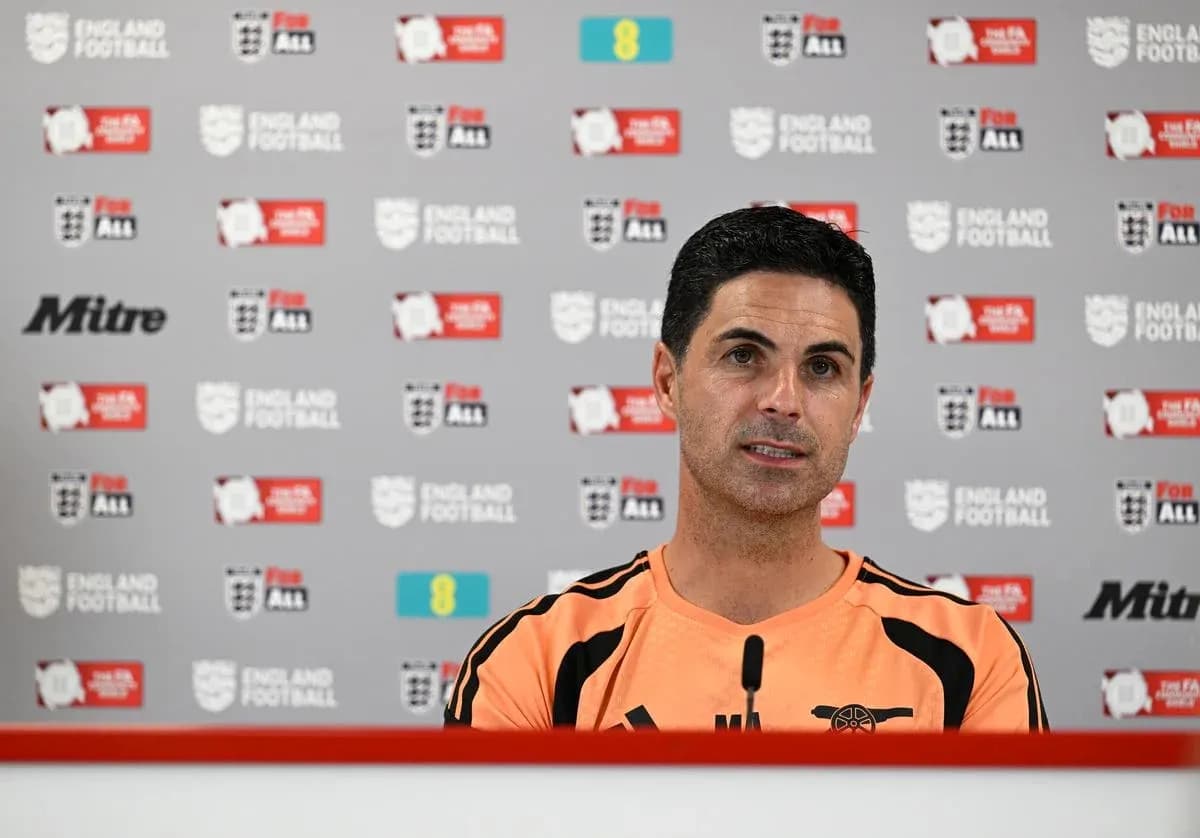
Mikel Arteta has lifted the lid on why Arsenal ripped up and rebuilt their medical department over the summer – a move driven by frustration, hard data and the scars of recent run-ins.
For two seasons, the Arsenal manager has hammered home the same message: if his team want to go the distance, his best players have to be on the pitch when it matters most. Too often, they haven’t been. Too many decisive weeks have arrived with key names in the treatment room instead of the starting XI.
Bukayo Saka, William Saliba, Kai Havertz – all have endured untimely absences during crucial stretches. Inside the club, patience snapped.
The shake-up started quickly after the Champions League final defeat to Paris Saint-Germain. Head of sports medicine Dr Zafar Iqbal was dismissed in the aftermath of that loss, a stark signal that Arsenal were not treating this as a marginal tweak but a structural reset. Tom Allen, the club's head of sports science and performance, then departed. Lead performance coach Sam Wilson followed at the end of June.
These weren’t background changes. This was the spine of Arsenal’s medical and performance setup being removed.
The overhaul did not come out of nowhere. Arsenal had already run a full review of their medical department last season, with Arteta’s long-time friend Joaquin Acedo drafted in to play a central role in assessing what needed to change and how far the club had to go.
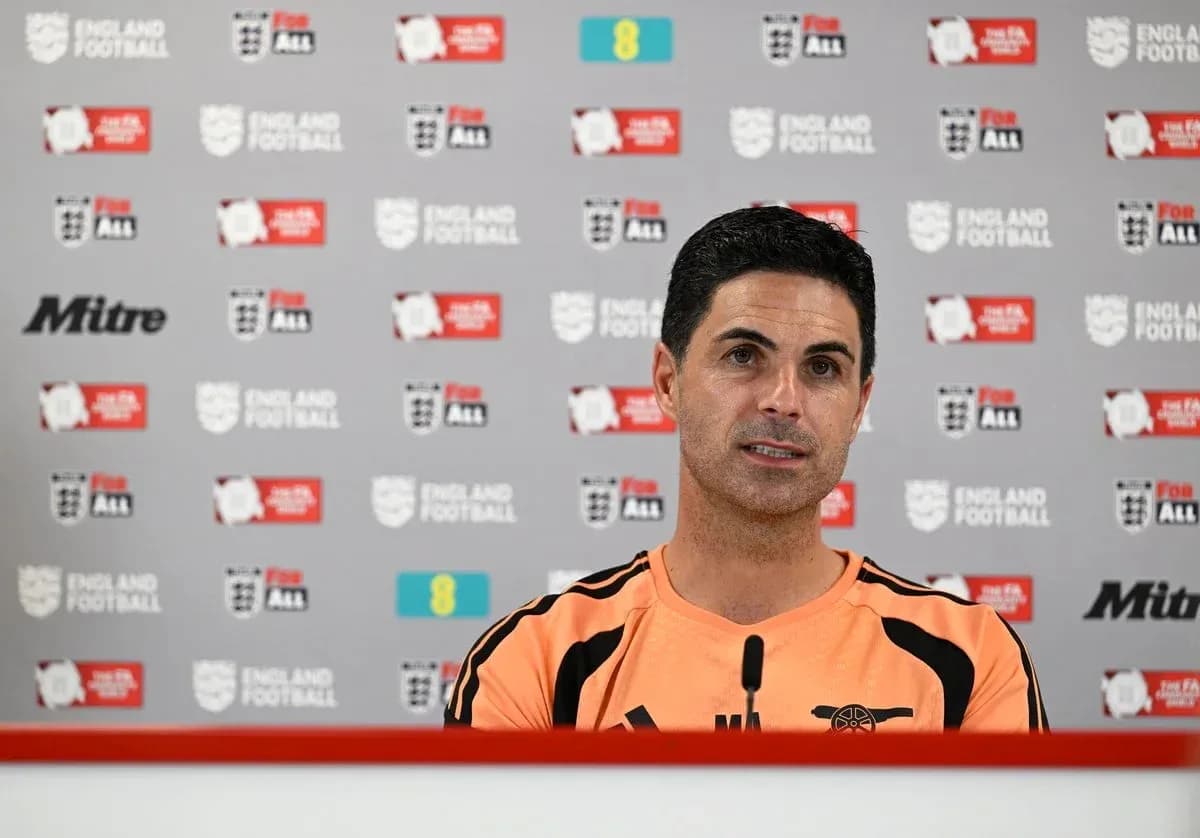
Arteta, speaking about the exits, chose his words carefully but made the direction of travel clear.
“First of all thank you to them for all the incredible work they have done for the club, for the players, for myself – and how well they have taken us and we will look to improve and evolve in certain areas,” he said.
Then came the blunt reality.
“We need to look across the club and we have made certain decisions that in our opinion will help us in medium and long term to be better.
“They are always difficult when you talk about people and you get such a strong relationship. It is always very, very tough.”
The relationships may be strong. The decisions were still made. Arsenal want to be fitter, more robust, less vulnerable to the kind of injury storms that have repeatedly hit them just as title races and European campaigns reached boiling point.
To build that, they have turned to new voices and fresh ideas.
Eneko Angulo has arrived from Real Betis, where he was head of rehabilitation. Arsenal have also appointed Arnaldo Abrantes as their new head doctor after he left Aston Villa.
Abrantes brings an unusual profile for a club doctor. Before medicine, he was a professional sprinter who represented Portugal at the 2008 Olympics. That blend of elite athletic experience and medical expertise appealed directly to Arteta.
“He was a good athlete,” the Arsenal manager said, almost understating it.
“When we're trying to evolve the squad, the team and the relationships and where the game is evolving, we wanted to recruit different qualities.
“That's one, when you've been there and sensed things in a different way. But as well because of his background, his knowledge about a lot of things that I was very interested in.
“We believe he was the right fit. I'm very happy with what he's bringing.”
Arteta has rebuilt his defence, his midfield and his attack since walking into the job. Now he has gone after something less visible but just as decisive: the machinery that keeps those players on the grass from August to May.
If Arsenal arrive at the next run-in with Saka, Saliba, Havertz and the rest fully firing, this summer’s ruthless calls behind the scenes will look less like risk and more like necessity.