Alonso’s Chelsea: Thrilling Attack, Defensive Woes
The noise around Xabi Alonso’s Chelsea is all about the fireworks. The patterns, the rotations, the relentlessness of JP Morgan in full flow. How do you stop him? So far this season, nobody really has. Chelsea have scored in every league game.
But you can’t attack your way out of trouble if you’re leaking at the other end.
Hull’s 2-2 draw at Stamford Bridge underlined a problem that has been hanging over this club for far longer than Alonso’s brief reign. This was the 20th Premier League match in a row in which Chelsea failed to keep a clean sheet. Twenty. For a team with title ambitions, that number screams vulnerability.
Emi Martinez was supposed to be part of the fix. A World Cup winner, a multiple Yashin Trophy winner, a goalkeeper who has seen and survived far more hostile environments than an edgy afternoon in west London. Yet if the defenders in front of him keep switching off, he may as well be Robert Sanchez. Any elite goalkeeper becomes ordinary when the basics in front of him fall apart.
Hull did not slice Chelsea open with intricate football. They did not dominate the ball or pin the hosts back for long stretches. Their 1.32 expected goals told a different story: this was danger by invitation. Chances handed over. Opportunities presented on a plate in a stadium that should be a fortress.
The attacking potential is obvious and, at times, intoxicating. Chelsea move the ball quickly, they flood the box, they carry a constant threat. But if Alonso wants this project to be more than a highlight reel, he has to lean on the more ruthless lessons from his time under Jose Mourinho. That Chelsea side suffocated opponents. This one lets them breathe, and then lets them score.
Until that changes, the conversation around Stamford Bridge will always come with a warning attached.
Liverpool’s first real Iraola test ends in a flat draw
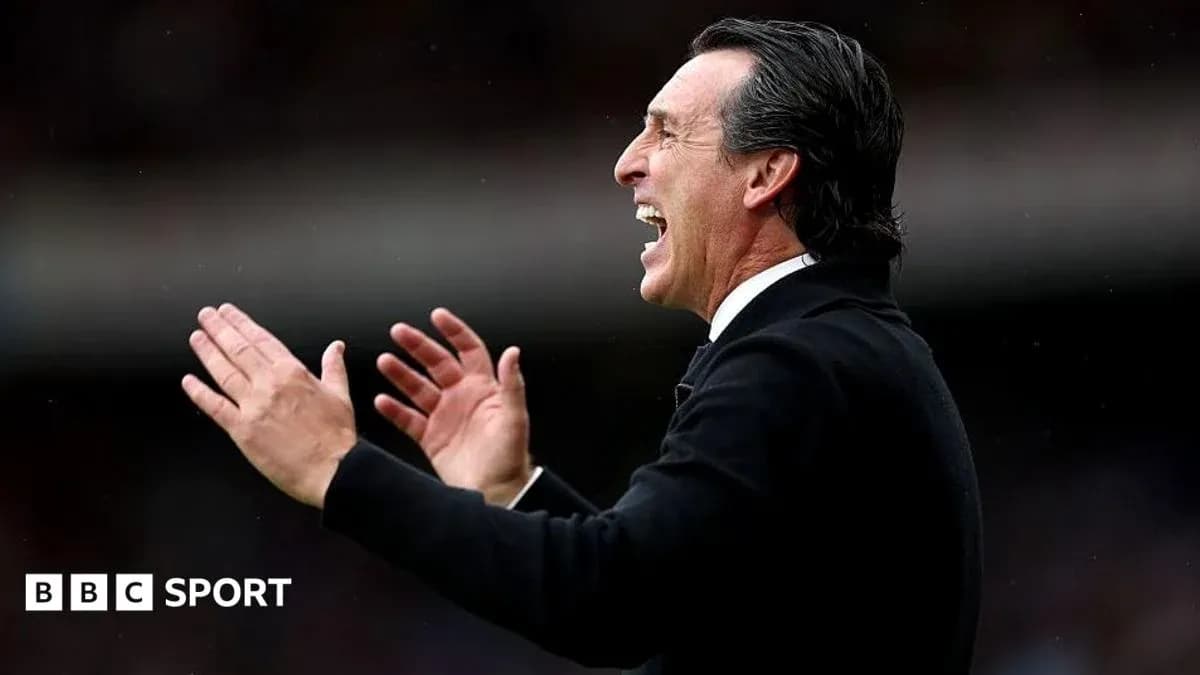
Anfield bounced on Wednesday night. Andoni Iraola finally had his first Champions League win as a head coach, and it came against Atletico Madrid. That felt like a milestone, but it was always coming at some point this season.
The bigger question sat a few days down the line.
Could Iraola cope with the grind? With the extra games? His work at Rayo Vallecano and Bournemouth impressed precisely because he squeezed so much from relatively modest squads, but he did it without the weight of European football dragging at the legs.
Fulham at home, after a huge European night, was the first real examination of that new reality. Liverpool didn’t pass it.
The 0-0 draw was not a smash-and-grab from the visitors. Liverpool never hit the tempo that defines Iraola’s football. They started slowly and never truly escaped that sluggishness. Fulham earned their first point of the campaign and, as the game wore on, looked just as likely to steal all three.
On paper, Iraola’s unbeaten run as Liverpool boss rolls on, stretching back to the first week of January when you include his Bournemouth surge. But unbeaten runs can deceive. Home matches against Nottingham Forest and Fulham have produced only two points. That is not the return Anfield expects.
Asked afterwards whether fatigue explained the performance, Iraola did not hide behind clichés.
“In the end, this is the easier one, for me, for you, for everyone – our players were tired. I think there is a lack of freshness, definitely. We cannot hide it,” he said. “I think it's the worst turnaround in terms of 60-something hours between the games, after a very big game the other day. But this is going to happen more times, maybe with one more day, maybe.”
The schedule will not ease. The standards will not drop. The answers will have to come from the man in the dugout.
Spurs spend big, but the No 9 problem won’t go away
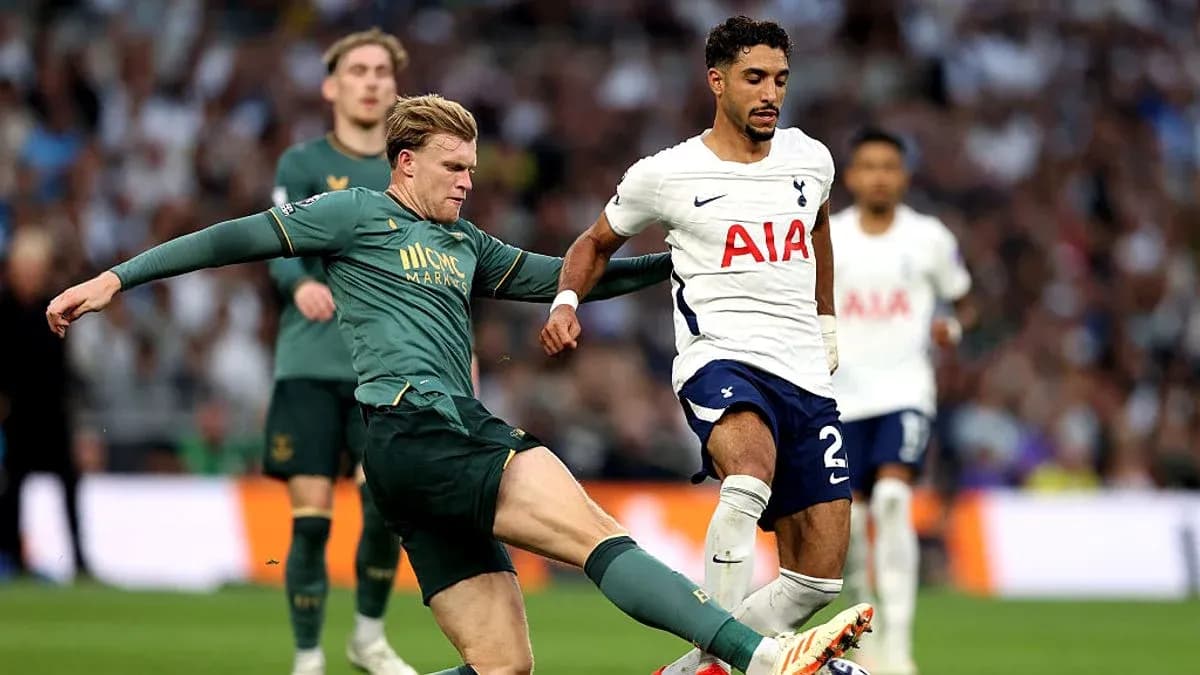
Tottenham’s issue is brutally simple. They don’t score. You don’t need a data model to see it.
Four hundred minutes without a league goal. No wins this season. A 0-0 at home to Everton that laid everything bare.
Spurs are not short of creativity. They have technicians all over the pitch, and against Everton most of them were on the grass at the same time. Passing, probing, trying to pick the lock. But when the ball needed a finisher, the man tasked with being that focal point drifted to the margins.
Dominic Solanke’s importance to this side is already glaring. As the only orthodox No 9 at Roberto De Zerbi’s disposal, his presence feels non-negotiable when he’s fit. Not because he’s in electric form, but because there is no obvious alternative.
Yet against Everton, he never really arrived in the game. Whether it was rust from recent setbacks or a deeper tactical disconnect, Solanke looked distant from the action. Nineteen touches across the entire match. Fewer than Kinsky in goal.
That statistic cuts through all the theory. Spurs have poured millions into building a squad rich in flair and technical quality, but the one role they cannot afford to misfire is still the one causing them the most damage.
Until someone in a white shirt starts living in the penalty area and finishing the moves this team creates, the numbers on the balance sheet will matter far more than the ones on the scoreboard.