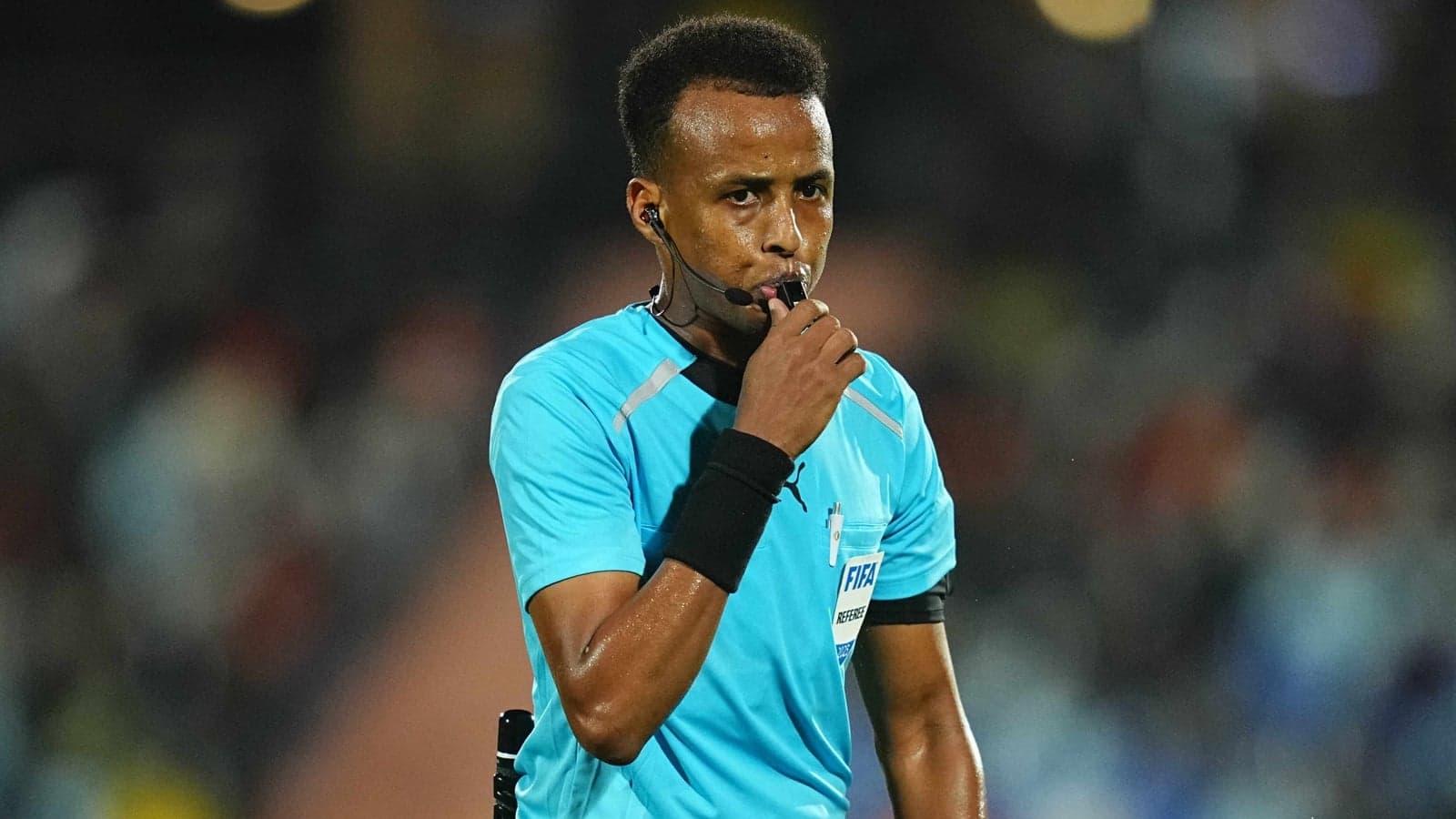
World Cup Visa Controversy: US Denies Entry to Somali Referee and Iranian Staff
The White House official overseeing preparations for the World Cup in the United States has defended the decision to deny entry to Somali referee Omar Artan and several members of Iran’s backroom staff, insisting security concerns must override football sentiment.
Andrew Giuliani, executive director of the White House Task Force for the World Cup, confirmed that while players and coaches from all 35 qualified teams had been cleared to enter the country, some match officials and team staff had not.
“No players, no coaches have been denied,” Giuliani said at an event hosted by the Atlantic Council in Washington. “There have been some officials that have been denied, and for good reason.”
The most high‑profile case is that of Artan, a trailblazing figure in African officiating. Named men’s referee of the year by the Confederation of African Football in 2025, he stood on the brink of history as the first Somali to take charge of a World Cup match. Instead, he was stopped at Miami airport and turned back.
A US State Department official said the referee was “associated with suspected members of terrorist organisations,” a link that, under US law, made him “ineligible for admission to the United States”.
For Somalia, already on the US travel ban list introduced under President Donald Trump as part of a broader immigration crackdown, the decision cut especially deep. For Artan, it ended a landmark moment before it began.
Giuliani, son of former New York mayor Rudy Giuliani, was pressed directly on the case. He framed the move as part of a wider attempt to protect the tournament from those who might try to exploit it.
“We're striking that balance between making sure that any bad actors that… try to come into the country under the guise of the World Cup will not get access to the United States,” he said.
The fallout has not been limited to Somalia. Iran, whose three group-stage matches are scheduled to be played on American soil, have already been pushed to the margins of this World Cup long before a ball is kicked.
Because of the ongoing military conflict between the United States and Iran, the Iranian national team has been forced to relocate its training base to Mexico rather than prepare inside the host nation. The Iranian football federation has also complained that its ticket allocation for supporters has been revoked, stripping many fans of the chance to follow their team in person.
On top of that, some members of the team’s support staff have been denied visas, disrupting the carefully constructed ecosystem around an elite national side.
Giuliani insisted that the core sporting staff would be present.
“All the Iranian coaching staff is coming in,” he said, before adding that “some Iranian officials… are not coming in – again for very good reason”.
He declined to spell out those reasons in detail, but hinted at doubts over the true roles of certain applicants.
“I can't get into the particulars,” he said, “but there are some people that claim that they are coaches that may not be coaches.”
The message from the White House is clear: competitive integrity, yes, but not at the expense of national security. Giuliani said President Trump wants a “level playing field” for all teams, while ensuring that “people that are directly working, let's say, with the IRGC (Islamic Revolutionary Guard Corps) have no ability to access the United States of America”.
Behind the scenes, US agencies are bracing for the world’s gaze. Giuliani said there are currently “no credible threats” to the tournament, but stressed that the intelligence community has “tripled down” on its efforts and will keep monitoring “between now and whenever the final goal is scored on July 19.”
The World Cup promises drama on the pitch. Long before kick-off, it is already delivering it at the border.