World Cup Returns to the United States: A New Era for U.S. Soccer
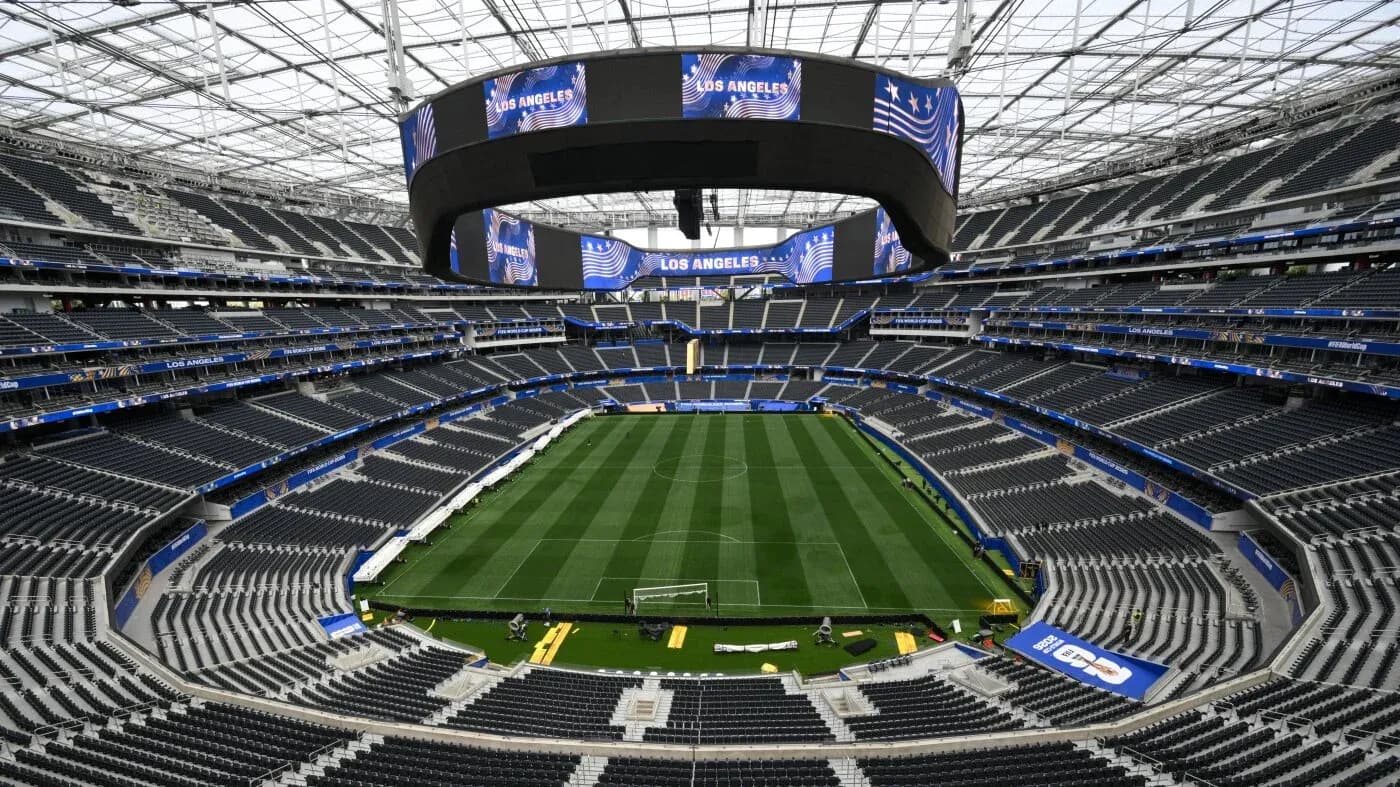
INGLEWOOD, Calif. — For the first time in a generation, the World Cup anthem is ringing out on American soil again. Not in a distant time zone. Not on overnight television. Here, under the lights in Southern California, the U.S. men’s national team finally walks into the tournament it has been building toward for almost a decade.
On Friday night, against Paraguay, the World Cup comes back to the United States for the first time in more than 30 years. For U.S. Soccer, this 2026 edition has never been just another tournament. It has been the destination. The chance to rip up a reputation forged in near-misses and early exits and replace it with something far more ambitious.
For all the money poured into the sport, the U.S. has long stared up at the giants of Europe and South America. The record is stark. Since that spirited run to the quarterfinals in 2002, the U.S. has collected only three World Cup wins in total. A country of more than 300 million, still searching for a defining moment in the global game.
This time, the setting and the squad feel different.
A golden generation, long promised, has finally arrived in full. For the first time, the national team’s core doesn’t just visit Europe — it belongs there. Its mainstays are not prospects or bit-part players but regulars in some of the world’s most unforgiving leagues.
- Tyler Adams patrols midfields in the Premier League.
- Chris Richards and Antonee Robinson are entrenched in England’s top flight as well, tested weekly by some of the best attackers on the planet.
- Weston McKennie has become a fixture at Juventus, a club that measures seasons in trophies.
- Christian Pulisic, once the teenage face of American hope, now 27, carries the responsibility and spotlight that comes with being a star at AC Milan.
“This is for me the biggest opportunity to grow the game, to inspire people, to show that American players are at the level of the rest of the world,” Adams said on Thursday. It sounded less like a slogan and more like a mission statement.
The mission starts with Paraguay.
Ranked No. 40 by FIFA, the South Americans arrive as underdogs on paper, but the U.S. knows better than to drift into this opener half-awake. The teams met in a feisty friendly last November, a 2-1 U.S. win that descended into a stoppage-time scuffle. The scoreline went into the record; the edge of that contest stayed in the memory.
“We know that they’re gonna be super, super aggressive, so we’re going to have to match that. We saw that the last time we played them,” U.S. forward Tim Weah said. He has seen enough international football to know that a World Cup opener is rarely about pretty patterns of play. It is about surviving the first punch and landing one of your own.
Paraguay may also be forced to start without its brightest young talent. Julio Enciso, the 22-year-old midfielder who has become a symbol of their future, was stretchered off in the first half of their final warm-up match last week. His absence would strip Paraguay of a key creative outlet, but it will not soften their approach. Teams that reach this stage do not arrive to make up the numbers.
For the U.S., the group offers both opportunity and danger. After Paraguay, Australia awaits next week, an opponent with its own history of awkwardly upsetting expectations. Then comes Turkey on June 25 to close the group stage, a match that could decide everything from knockout seeding to whether this home World Cup surges forward or stalls at the first real test.
The stakes are obvious. A host nation with its most decorated generation, playing in front of home crowds that have grown up with the sport rather than discovered it late. The burden is obvious too. Anything less than a deep run will feel like a waste of a rare alignment: talent, timing, and home advantage all pulling in the same direction.
The World Cup has returned to the United States. Now comes the harder question: can the United States finally rise to the level of the World Cup?