How Politics Influence Referee Choices at the World Cup
The World Cup 2026 is moving toward its final stages, and it's not just the players drawing attention. The selection of referees has stirred discussions, especially after an all-Argentine official team was named for France's 2-0 quarter-final victory over Morocco.
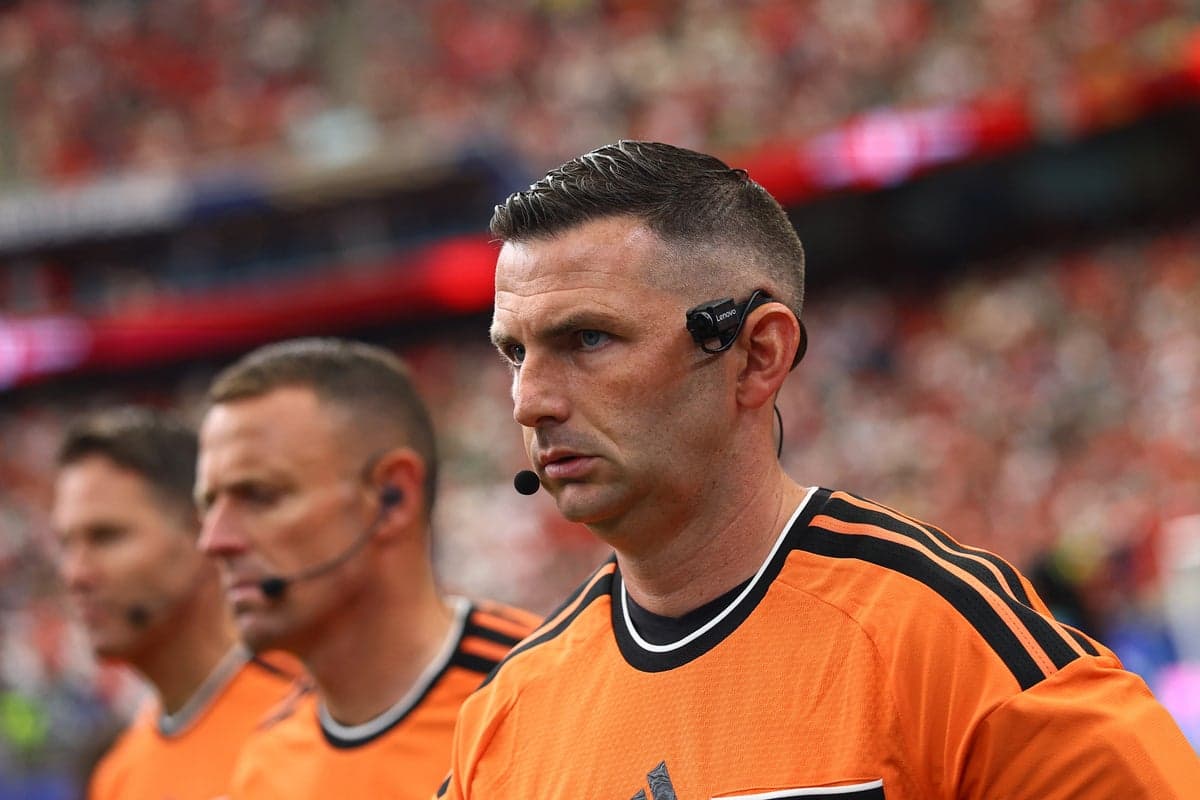
Many fans questioned this choice online, considering that France could meet defending champions Argentina in a potential final rematch from 2022. Additionally, Fifa confirmed that English referees Anthony Taylor and Michael Oliver were barred from overseeing Argentina’s matches because of the lingering sensitivity related to the Falklands War four decades ago.
What Influences Referee Assignments?
Performance remains the main criterion. Referees are evaluated over several years by the Fifa Referees Committee, led by Pierluigi Collina, a respected former World Cup final referee. Their decisions, accuracy, and teamwork with assistant referees matter most.
Still, political considerations play a role. Referees never officiate games involving their own countries. A source told The Independent that officials also avoid matches where outcomes directly impact their nation’s progression. For example, an English referee would not manage a group stage game like Panama vs Croatia or a knockout match such as Argentina vs Switzerland, if the winner might face England next.
This approach applies mainly on a game-by-game basis. That's why an all-Argentine referee crew handled the France-Morocco match despite Argentina being a possible finalist opponent.
Neutrality is preferred. If Africa faces South America, European referees may be appointed. If two European teams clash, like Spain vs Belgium, referees can come from Europe as well, such as England’s Michael Oliver.
Political tensions affect choices too. No American official would oversee Iran's games due to ongoing diplomatic conflicts. Fifa handles these issues flexibly, aiming to avoid sensitive situations.
The Role of the Falklands War
Fifa acknowledges the 1982 Falklands War influences referee appointments. English officials won't preside over Argentina’s matches or any fixtures with direct consequences for them. This limits chances for Taylor or Oliver to referee a final involving Argentina, as England and Argentina share the same bracket half.
The war remains a touchy subject. Argentina's players recently sang “Muchachos,” referencing the "Malvinas," the Argentine name for the islands, after beating Egypt. Yet, older conflicts like World War II do not shape referee assignments; for instance, a German referee can officiate an England game.
Exceptions to the Rules
There have been deviations. In 2006, Argentine referee Horacio Elizondo officiated England’s quarter-final loss to Portugal, notable for Wayne Rooney’s controversial red card following a clash with Ricardo Carvalho. Fifa hasn't clarified why current policies concerning the Falklands War weren't applied then.