World Cup Power Rankings: France, Spain, Argentina, and England Lead the Pack
The World Cup semifinal stage narrows the gap between teams so much that ranking them demands careful scrutiny. Almost impossible for any squad to reach this point without genuine title-winning ability.
This year, the top four in FIFA's rankings have all advanced to the semifinals. Each team has claimed World Cup titles before and consistently reached major finals over the past 15 years.
The upcoming matches are less about surprise outcomes; the winner must overcome two of these elite teams. These power rankings blend chances of winning with overall team strength.
1. France
France has held the top spot throughout most of the tournament. Their 2-0 quarterfinal victory over Morocco reinforced this standing. Even without dominating possession, they appeared comfortable and effective.
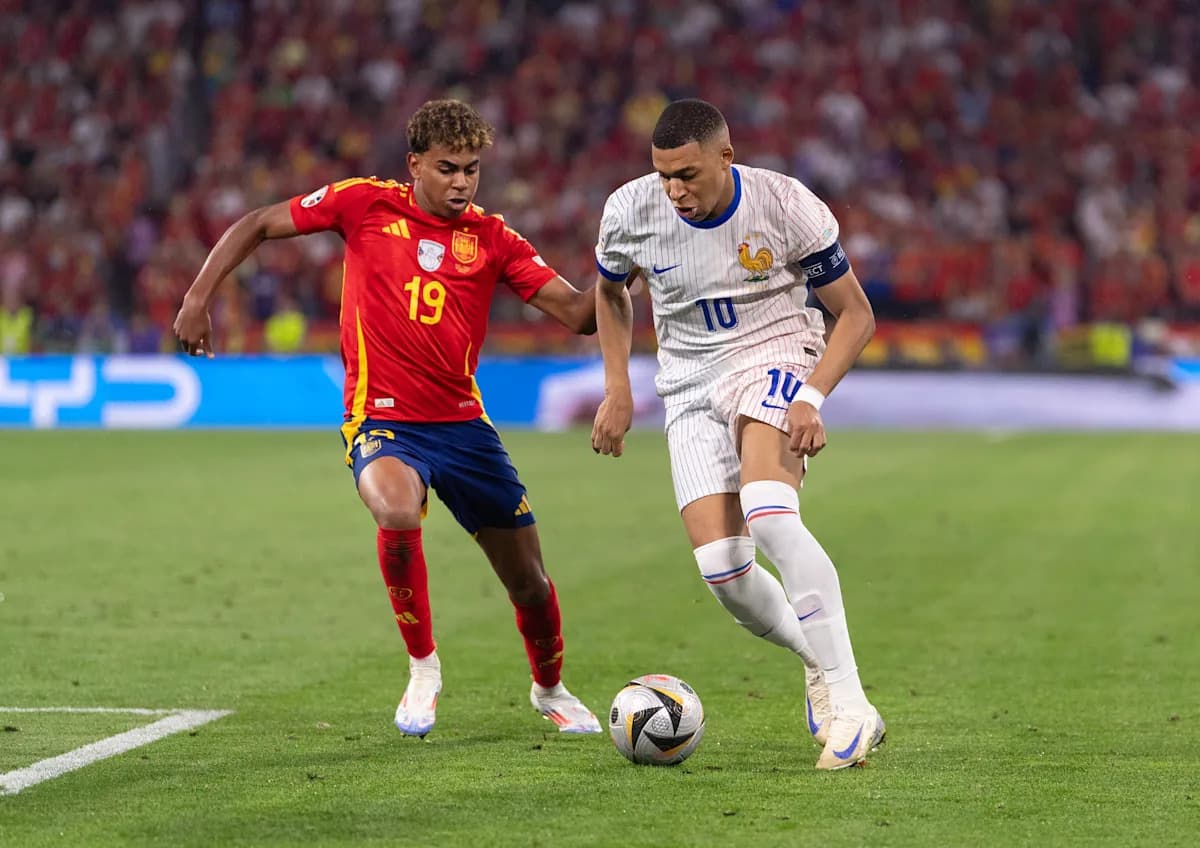
Their strategy to exploit space behind Achraf Hakimi worked well, with Kylian Mbappé operating on the left and Morocco’s main threat being Hakimi himself. It’s encouraging to see France adapt tactics simply to leverage their talent.
Facing Spain’s press will be tougher, but France still seems to have the highest potential among the semifinalists. The result could swing either way, though a dominant French win isn’t out of the question.
2. Spain
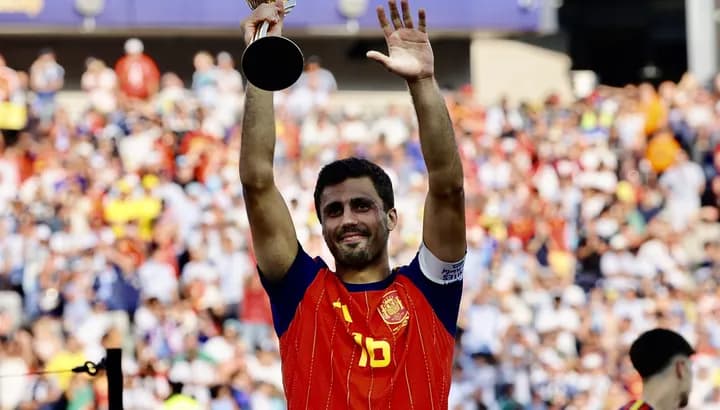
You could argue for Spain as the best team here. They have allowed only one goal so far, boast the lowest expected goals against (1.8), and limit shot quality significantly. Offensively, they lead with 11 goals and 11.7 expected non-penalty goals.
Spain’s pressing game forces most possessions to start in central or attacking thirds—more than any other quarterfinalist. Their attack isn’t firing on all cylinders yet, but their stats closely match those of France.
The semifinal in Dallas promises excitement. A Spanish win would be a minor upset but wouldn’t shock anyone, and the victor will likely be favored to take the trophy against either England or Argentina.
3. England
England climbs a spot after securing three consecutive knockout wins by a single goal. Sometimes winning tight games speaks volumes about a team's grit.
Thomas Tuchel’s tactical adjustments combined with a versatile squad have helped England find different ways to win: breaking down low blocks, holding out when short-handed, and limiting dangerous opponents.
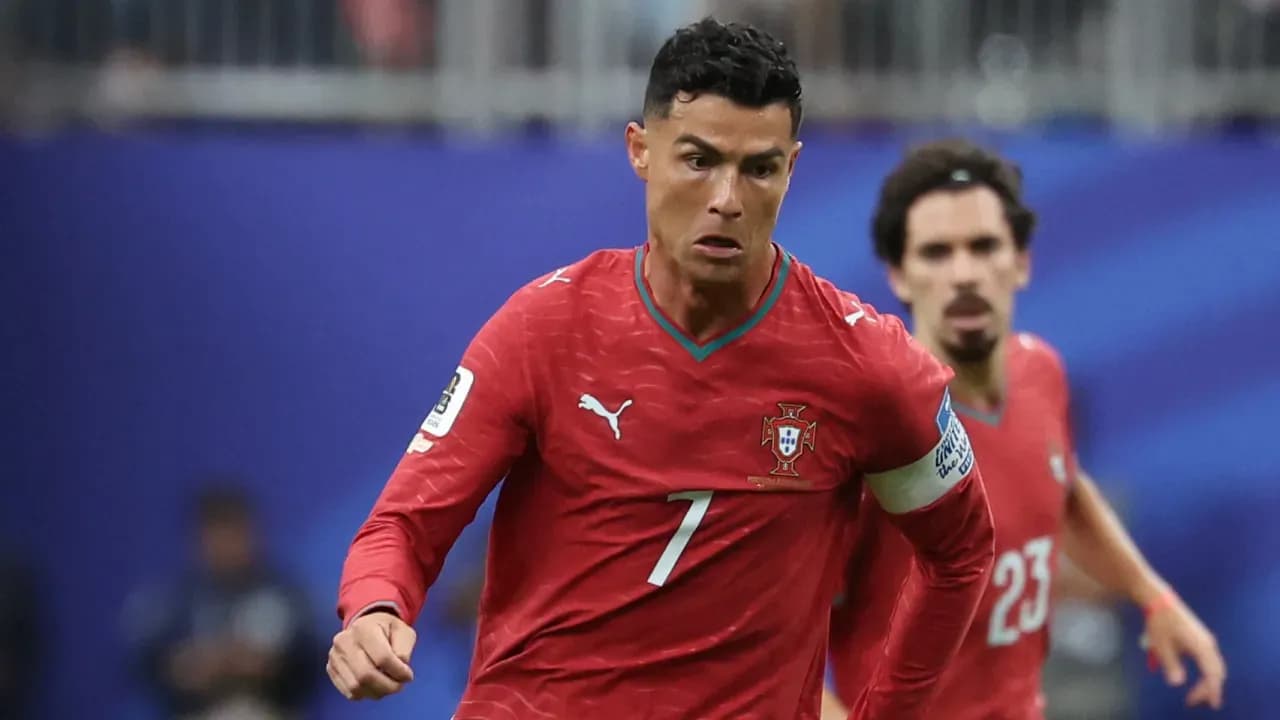
Facing Argentina, aerial strength might be key for England. Harry Kane and Jude Bellingham stand out as match-winners, supported by midfielders who can attack centrally or from the wings.
England can rely on defense or offense. Though France and Spain often operate at a higher level, England remains close behind.
4. Argentina
Argentina slips one spot after a narrow win over Switzerland, sealed by a late Lautaro Martínez goal. Winning close games matters, but how a team manages it also counts.
They lead the tournament in non-penalty goals (16) but rank fourth in expected goals (10.4) and had extra time to boost those numbers. Their attack options seem more limited compared to others.
Questions linger about their ability to push forward wide. With just 78 crosses across six games—among the fewest in the quarterfinals—Argentina struggles to create width. When needing goals, opposing defenses have effectively squeezed space centrally.
Still, having Lionel Messi and a talented roster with strong belief keeps them dangerous. Over two more matches, those factors might defy expectations and crown Argentina as champions again. That would be quite the story.