How the World Cup Turned Into America’s Unexpected Summer Celebration
Before the tournament kicked off, doubts loomed large. The US government shutdown left many worried that cities wouldn’t be ready for the influx of fans. Political tensions seemed like they might keep visitors away. Reports of soaring prices threatened to empty stadiums as fans faced steep travel costs. On top of that, the war in Iran cast a shadow over the nation’s reputation.
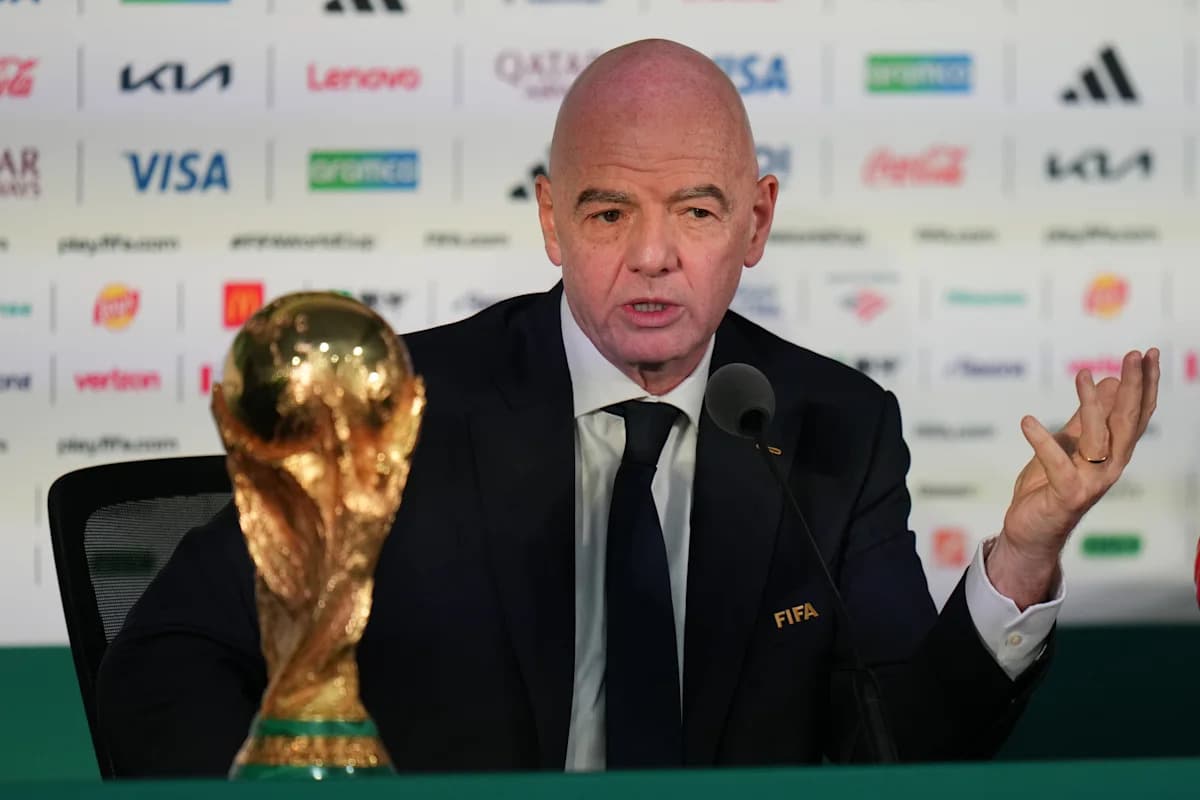
As a soccer fan, I feared this World Cup would flop. Instead, it became one of the most vibrant celebrations we’ve seen. From Mexico City’s opening match to the final whistle in New Jersey, North America threw an unforgettable party.
Unexpected Bonds and Global Festivities
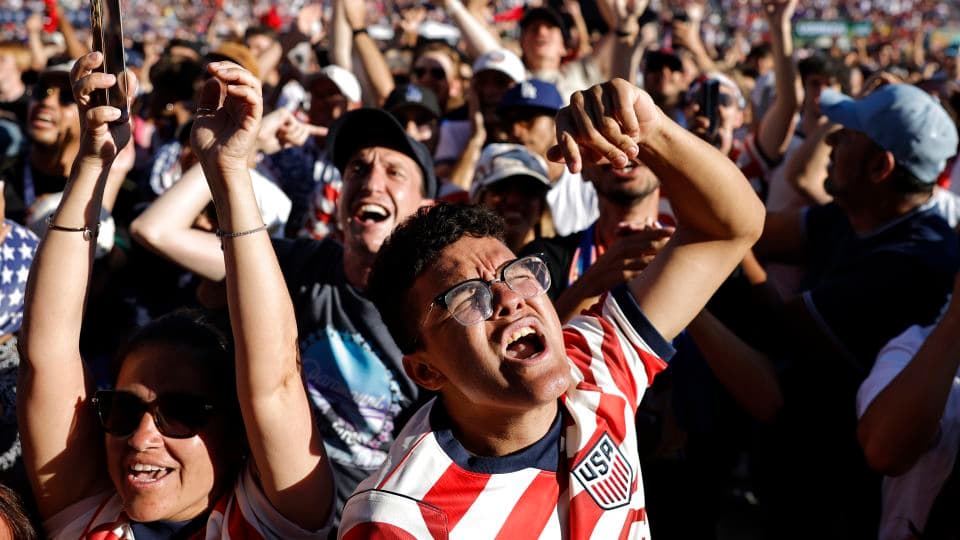
On day one, South Korean and Mexican fans connected like old friends. In the US, Scots emptied Boston bars, Norwegians created “Viking rows” on any flat surface, and South American supporters took over entire cities. Tourists tried American staples like Buc-ee’s and Waffle House, discovering unexpected delights.
For a few weeks, Americans even dared to imagine their team as real contenders after two inspiring wins. Headlines from places like Lawrence, Kansas, and Seattle showcased the country's buzzing atmosphere. Cities like Atlanta suddenly became hotspots, packed with excited fans. This reminded many Americans of what’s good about their country beyond politics.
Politics Didn’t Stay Out of the Game
The tournament wasn’t free from political drama. Iran’s team faced tough restrictions, forced to relocate training at the last minute and stuck with limited travel options. President Donald Trump’s involvement in the Folarin Balogun situation stirred doubts about the tournament’s integrity, though Belgium’s dominant win sent the US home shortly after. Visa problems affected officials and teams, often blamed on policies from the Trump administration.
Still, despite fears Trump would overshadow the event, soccer remained the main focus. When his actions made headlines, the game quickly reclaimed attention. Argentina’s thrilling comeback against Egypt, overturning a 2-0 deficit to win 3-2, was a defining moment that reminded everyone why the World Cup matters.
More Than Just Numbers and Politics
Experts will analyze the economic impact on host cities and debate whether the costs were worth it. But one thing is clear: Americans showed the world a side not defined by political turmoil. The warmth and kindness of everyday people stood out. Visitors repeatedly said Americans were not what the news had painted them to be.
Yes, the country still faces challenges. But during those 39 days, millions shared joy and friendship with fans from across the globe. Stadiums filled, memories formed, and for a while, the biggest worry was what to watch when matches weren’t on.
A Lasting Change?
We danced with Congolese fans celebrating their first knockout-stage win, cheered when tiny Cape Verde nearly toppled giants, and bonded over meals and stories with strangers who became friends. Though the World Cup has ended, maybe it shifted how the world sees America and how Americans see themselves.