World Cup 2030 Early Power Rankings: Who Could Rival Spain?
The 2026 World Cup brought farewells to legends like Lionel Messi, Cristiano Ronaldo, and Neymar. As we look toward the 2030 tournament, players over 32 will be fighting to maintain their place. We focus on teams with strong young cores ready to challenge for a quarter-final spot in four years.
1) Spain
As the defending champions and hosts, Spain starts as favorites. Coach Luis de la Fuente has shaped a committed squad with a balance of experience and youth. Goalkeepers Unai Simón (32), Joan García (29), and David Raya (34) might return, while defenders Marc Pubill (26), Eric García (29), Pedro Porro (30), and Pau Cubarsí (23) form a sturdy backline.
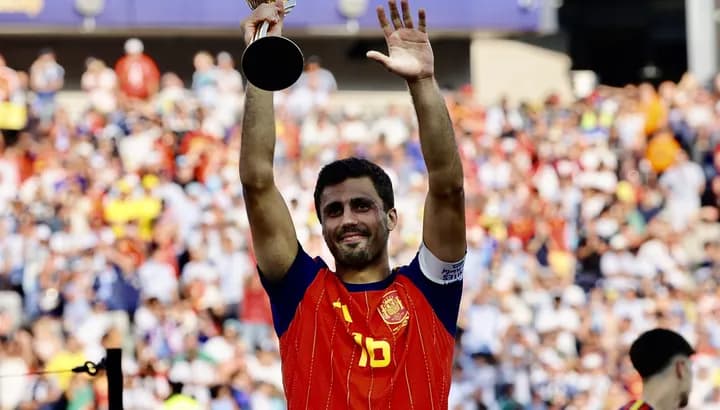
Midfielders Dani Olmo (32), Gavi (25), Pedri (27), and Rodri (33) provide creativity and control. Up front, Nico Williams (27), Lamine Yamal (22), and Ferran Torres (30) offer attacking threats. Emerging talents like Dean Huijsen (25) and Cristhian Mosquera (25) could soon break through. If strikers Samu Aghehowa (26) or Gonzalo García (26) develop well, Spain’s attack could become even more dangerous.
2) France
Zinedine Zidane takes over from Didier Deschamps, aiming to bounce back after a tough semi-final loss to Spain. Mike Maignan (34) should keep goal, supported by defenders Dayot Upamecano (31), Ibrahima Konaté (31), and William Saliba (29). Midfielders Manu Koné (29), Aurélien Tchouaméni (30), Eduardo Camavinga (27), and Khéphren Thuram (29) are solid options.
Kylian Mbappé (31) remains a key figure with support from Michael Olise (28) and Désiré Doué (24). The challenge lies in overcoming Spain’s well-organized style.
3) England
England showed grit in 2026, making it to the semi-finals. Marc Guéhi (29) emerged as a leader in defense, with Djed Spence (29) finishing strongly. The midfield boasts Declan Rice (31), Elliot Anderson (27), Jude Bellingham (26), and Kobbie Mainoo (25). Bukayo Saka (28) and Anthony Gordon (29) create chances from wide areas.
The main question is whether Harry Kane can perform full matches at 36, as England lacks a clear successor to their top scorer. Goalkeeping remains competitive. Young talents like Lewis Hall (25), Cole Palmer (28), and Phil Foden (30) enrich the squad depth.
4) Morocco
One of the 2030 co-hosts, Morocco, has laid a strong foundation. After consecutive quarter-final appearances and an Afcon 2025 title, this team looks promising. Defenders Achraf Hakimi (31), Chadi Riad (26), Anass Salah-Eddine (28), and Noussair Mazraoui (32) form a steady line.
Midfielders Ayyoub Bouaddi (22) and Azzedine Ounahi (30) bring energy. Forward Ismael Saibari (29) was a scoring threat before injury. Youth stars Othmane Maamma (24), Yassir Zabiri (25), and goalkeeper Ibrahim Gomis (25) won the recent U-20 World Cup, hinting at Morocco’s bright future.
5) Argentina
Argentina reached the 2026 final but relied heavily on Lionel Messi, who is irreplaceable. Julián Álvarez (30) and Lautaro Martínez (32) provide firepower upfront. Enzo Fernández (33) will aim to anchor midfield after his controversial send-off. Veteran defenders Nahuel Molina (32), Cristian Romero (32), and Lisandro Martínez (32) remain solid.
Goalkeeper Emiliano Martínez (37) still has a role. Promising players like Milton Delgado (24), Julio Soler (25), and Santino Barbi (24) came close to winning the U-20 World Cup, signaling a talented crop behind the veterans.
6) Portugal
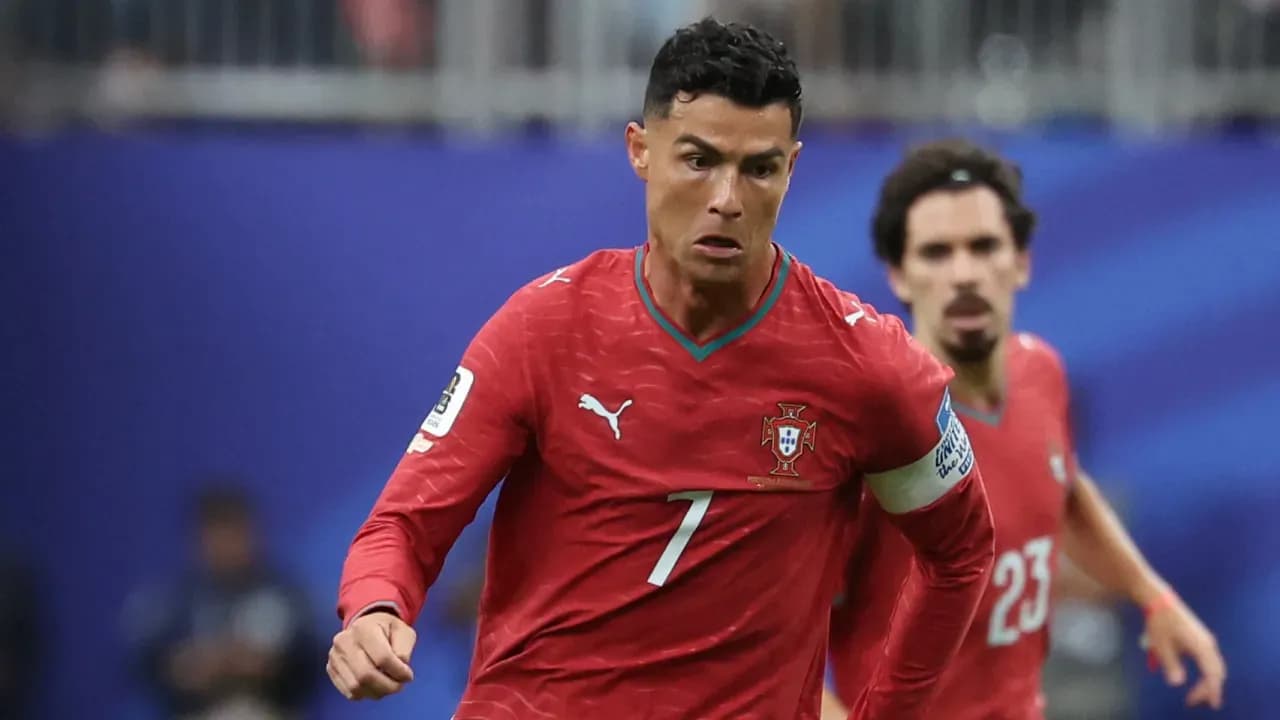
With Cristiano Ronaldo retiring before 2030, Portugal must move forward without their iconic leader. Diogo Costa (30) ranks among the world’s best keepers, while Gonçalo Inácio (28) and Nuno Mendes (27) stabilize defense.
Midfielders João Neves (25) and Vitinha (30) are reliable starters. Attack options include Gonçalo Ramos (28), João Félix (30), and Francisco Conceição (27). Aging stars Bruno Fernandes (35), Bernardo Silva (35), and Rúben Dias (33) highlight a generation nearing its end, raising doubts about their best chance slipping away.
7) Norway
Norway impressed with a quarter-final run and a vibrant team culture. Erling Haaland (29) remains a feared striker. Supporting forwards Andreas Schjelderup (26), Antonio Nusa (25), and Oscar Bobb (26) complement Martin Ødegaard (31), who hopes to stay fit and creative.
Defensive roles and goalkeeping require rotation, but with Haaland leading the attack, Norway has a real shot.
8) Côte d’Ivoire
The Elephants advanced from a challenging group in 2026, showing promise. Goalkeeper Yahia Fofana (29) benefits from defenders Ousmane Diomande (26), Odilon Kossounou (29), and Wilfried Singo (29).
Attackers Amad Diallo (27), Oumar Diakité (26), Elye Wahi (27), Yan Diomandé (23), Simon Adingra (28), and Ange-Yoan Bonny (26) provide many options. The midfield may weaken if Franck Kessié (33) fades, but the team is worth watching after winning Afcon 2023 and a World Cup knockout appearance.
9) Germany
Germany faces questions about its squad after disappointing tournaments since 2014. Jürgen Klopp has time to rebuild, though injuries like Lennart Karl’s (22) hurt preparations. Kai Havertz (30) offers timely goals, with Florian Wirtz (27) and Jamal Musiala (27) hoping for better form.
Wing-back Nathaniel Brown (26) and midfielder Joshua Kimmich (35) remain important. Defensive turnover is expected, but Klopp’s leadership may revive Die Mannschaft.
10) United States
The US had its most promising World Cup run in 2026 despite controversy surrounding Folarin Balogun. Mauricio Pochettino’s future is uncertain. Balogun (28) could refine his game further, supported by Malik Tillman (28) in midfield.
Core players Chris Richards (30), Tyler Adams (31), Weston McKennie (31), Christian Pulisic (31), and Alex Freeman (25) seem set to continue. Sebastian Berhalter (29), Gio Reyna (27), and Ricardo Pepi (27) performed well and likely remain in plans. A 12th-place finish suggests another last-16 exit, but experience gained may pay off next time.