World Cup Drama: From Stunning Football to Controversy and Questions for FIFA
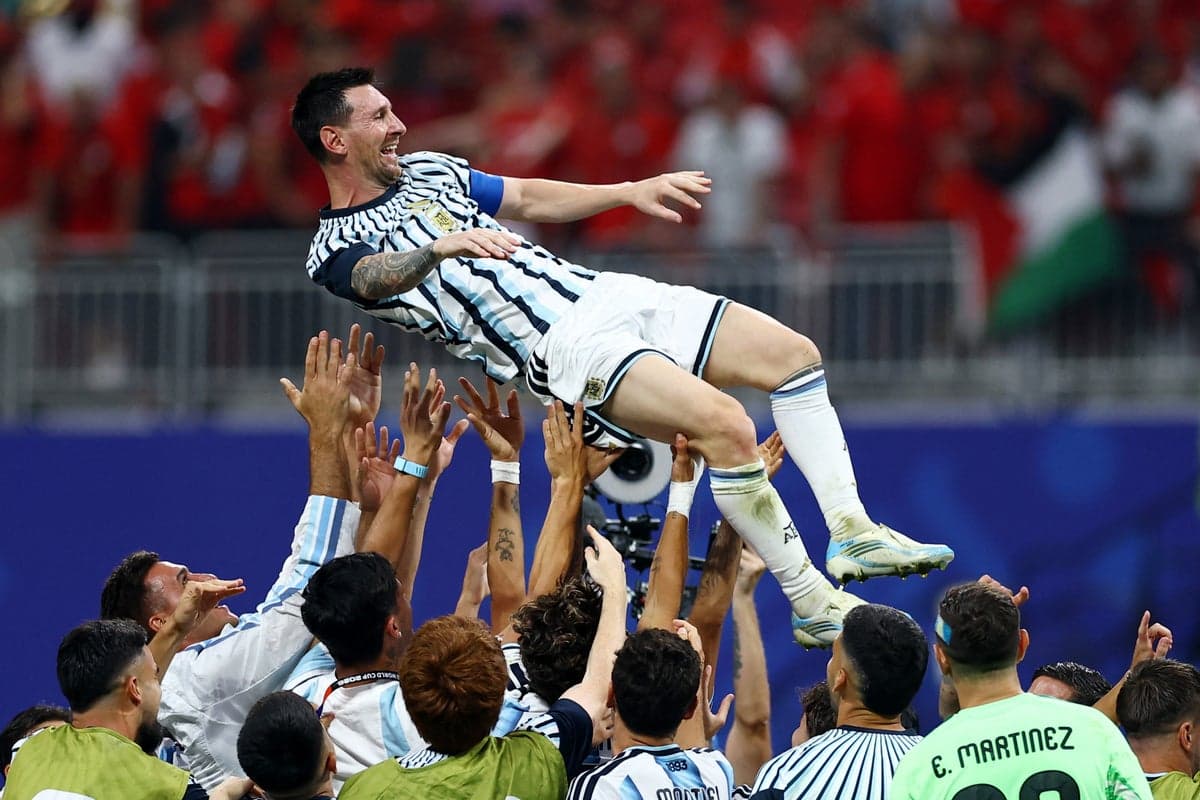
When Lionel Messi was lifted by his teammates after Argentina's win against Egypt, it felt like a scene from a movie. The energy of the crowd and the emotion of the players combined into something unforgettable. Argentina’s manager, Lionel Scaloni, was visibly moved, struggling to hold back tears. This wasn’t just any match; it could have been Messi’s last World Cup game, which added to the weight of the moment.
This World Cup has been full of intense drama, with no team advancing quietly. England’s emotional victory over Mexico showed how much this tournament has shaken all involved. Even usually low-key games like Colombia versus Switzerland stood out for their calmness compared to the chaos elsewhere.
More Goals and Open Play
The last sixteen rounds have been thrilling, with 23 goals scored—much higher than previous tournaments. Players seem freer from club tactics and driven by the pride of representing their nations. Each match plays out like a national event filled with open, exciting football. The quality and passion make it feel like a golden age for the sport.
Controversy Shadows the Spectacle
Amid the excitement, darker stories have emerged. One involves Folarin Balogun, though he had no role in the political issues surrounding his case. Egypt’s coach Hossam Hassan openly expressed frustration after losing to Argentina, calling the defeat an injustice influenced by money and interests off the pitch. He even said he would stop watching the tournament out of anger.
Many shared similar feelings, especially after Egypt had a goal disallowed under questionable circumstances. The decision seemed to clash with the generally light touch refereeing seen throughout the event. Still, refereeing inconsistencies happen, given officials interpret moments differently based on their backgrounds.
A Crisis Beyond the Field
What worries FIFA most is the fallout from the Donald Trump controversy. It raises doubts about what other unseen influences might exist. People are starting to question whether big decisions favoring star players or popular teams are part of some script, even if such ideas sound far-fetched. These suspicions spread quickly online, making them harder to dismiss.
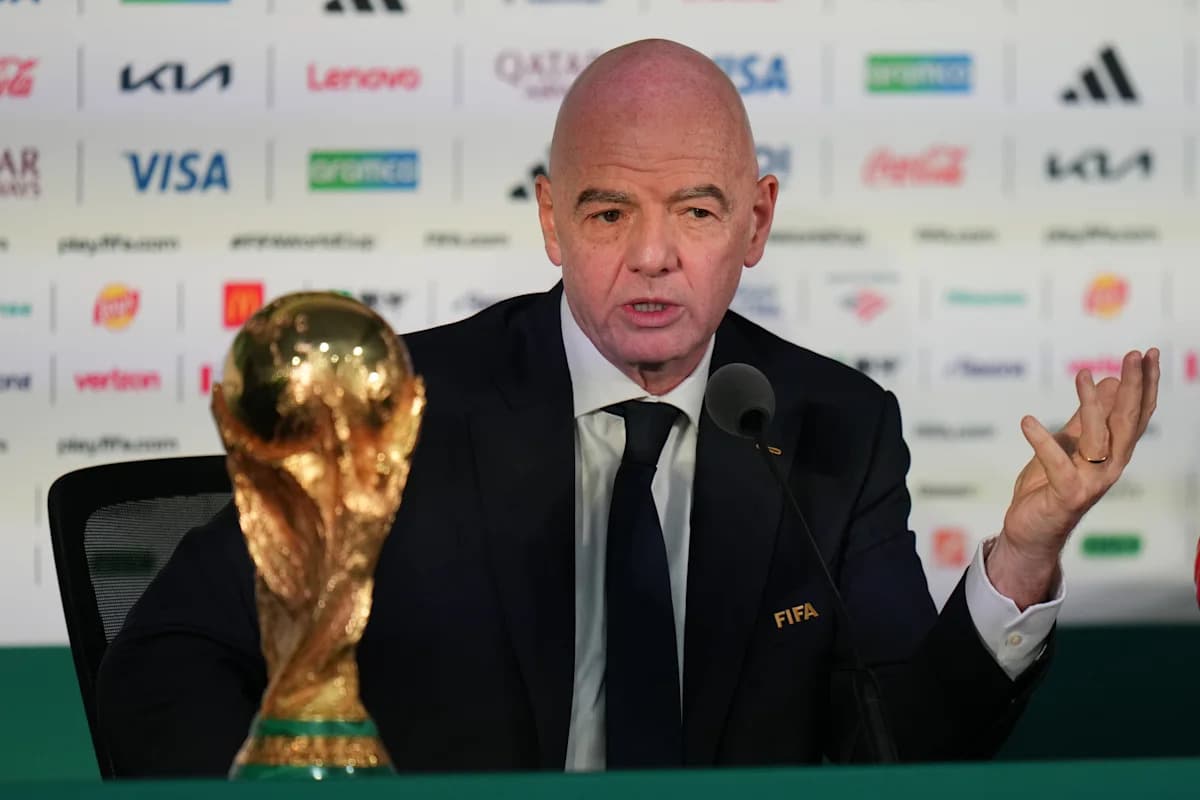
Gianni Infantino, FIFA’s president, faces calls to step down as accusations of corruption gain momentum. This threatens the legitimacy of the tournament, even as the football itself remains genuine and deeply emotional. The contrast between the beautiful game and these off-field troubles creates a stark tension.
Financial Realities Shape the Competition
Looking at the quarterfinalists reveals another story. Six of the eight teams come from wealthy Western European countries, including France, Spain, England, Switzerland, Belgium, and Norway. These nations have developed highly advanced coaching systems, turning talent development into an industry. In contrast, the US struggles with a costly youth system that limits access for many young players.
Morocco stands out as a rising force, thanks to significant government investment aimed at boosting their national football program. This kind of state-driven approach echoes similar efforts elsewhere in Europe.
The Politics Behind the Game
FIFA’s redistributive efforts, led in part by figures like Arsene Wenger, aim to raise football standards worldwide. Yet this also serves political purposes, sometimes creating unintended consequences. The complexities of money, power, and sport mix in ways that can seem like political satire, fitting the drama unfolding on and off the field.