World Cup 2026: Extra Time and Penalty Shootout Rules Set the Stage for Drama
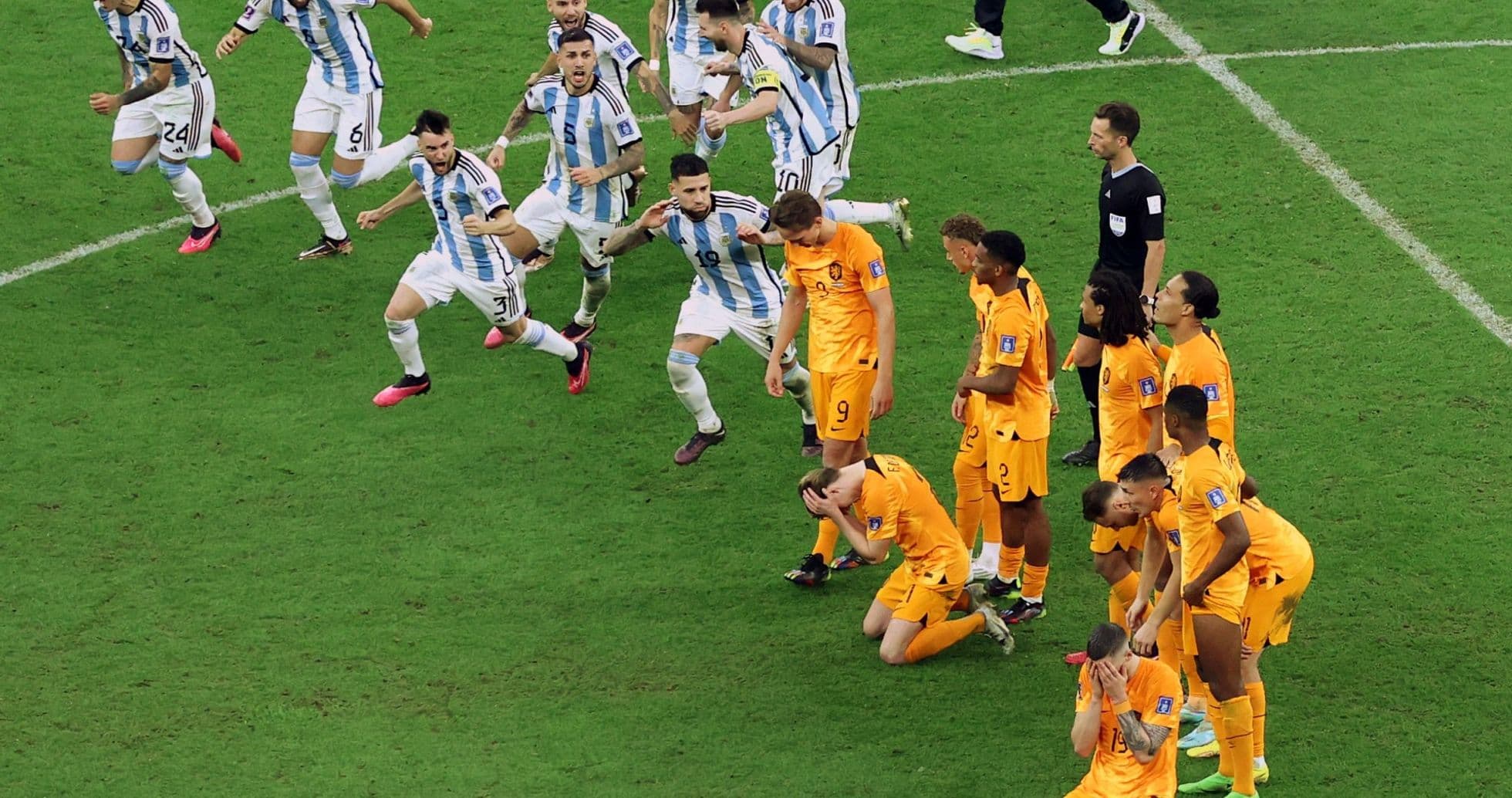
Two giants of European football, Germany and the Netherlands, were both eliminated on penalties in the Round of 32, creating a tense and unpredictable atmosphere. Paraguay stunned the four-time champions by scoring the winning penalty after a 1-1 draw following extra time. Hours later, Morocco overturned a deficit to beat the Dutch 3-2 in a shootout.
How Extra Time Works at the World Cup
If teams remain tied after 90 minutes, they enter extra time, which consists of two 15-minute halves with a brief break between them. Teams do not get hydration breaks beyond the normal stoppages but are allowed one additional substitution during this period. The match continues through the full extra time without sudden death or golden goals. This rule contrasts with past tournaments like 1998 and 2002, where the golden goal decided games quickly, with players like France’s Laurent Blanc scoring winning strikes.
Penalty Shootout Procedures
If the deadlock persists after 120 minutes, the contest moves to penalties, a method introduced at the 1978 World Cup. Two coin tosses decide who kicks first and which goal will be used. Each side takes five shots, alternating turns. Only players still on the field can take penalties, and every eligible player, including goalkeepers, must take a kick before any can repeat.
Sudden death follows if the score remains level after the initial five kicks. Players cannot retake rebounds, and goalkeepers must stay on the line until the ball is struck. A notable example came when Croatia’s Dominik Livakovic was penalized for moving early, allowing Harry Kane a second attempt at a saved penalty.
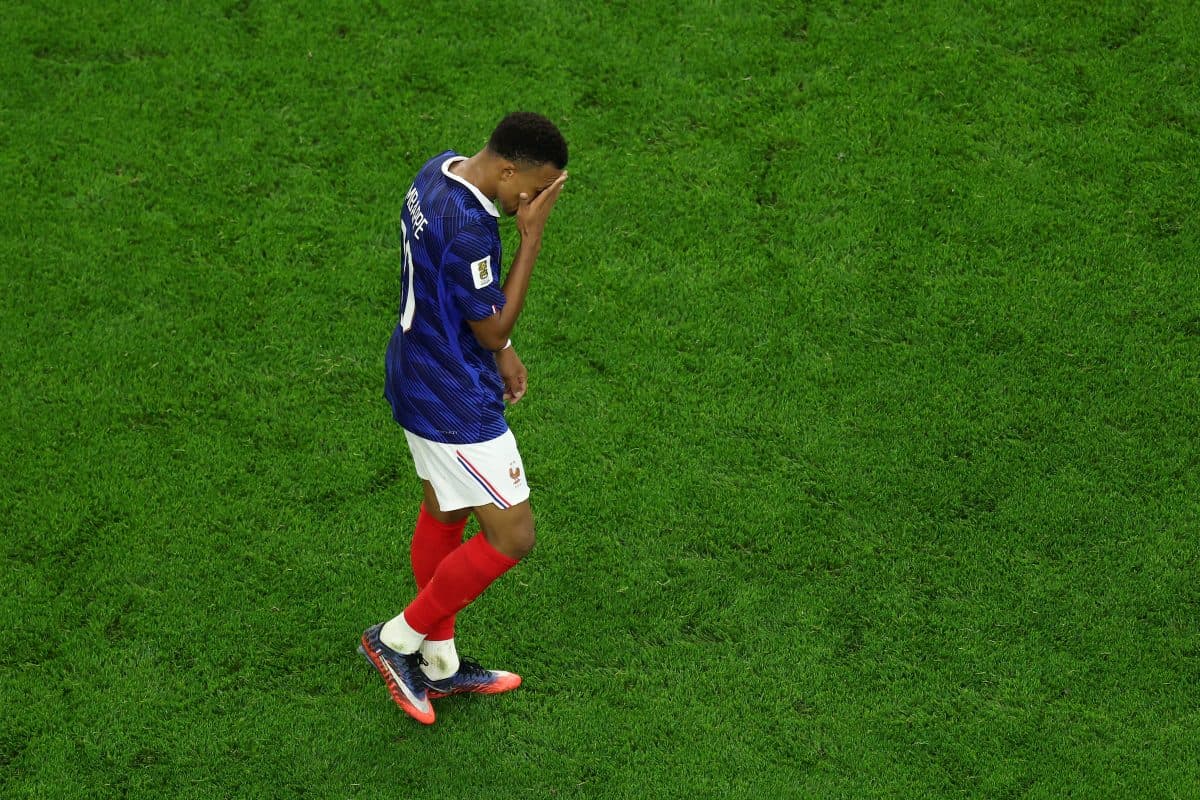
Emotions Run High After Shootouts
The exits sparked strong reactions. Former Sweden striker Zlatan Ibrahimovic blamed Ronald Koeman for the Dutch defeat, criticizing the team’s loss of identity. Thierry Henry agreed, suggesting Koeman played defensively rather than pushing to win. Koeman defended his strategy, emphasizing the importance of his defensive setup and the team’s agreement on it.
Julian Nagelsmann’s German squad also faced harsh criticism after their performance in Boston. German media described the game as slow and uninspired, highlighting a nightmare scenario for a team that had won the World Cup just 12 years earlier. Fans and analysts across Europe expressed surprise at these outcomes, with Italy congratulating Paraguay and France calling Germany's exit the tournament's biggest shock so far.