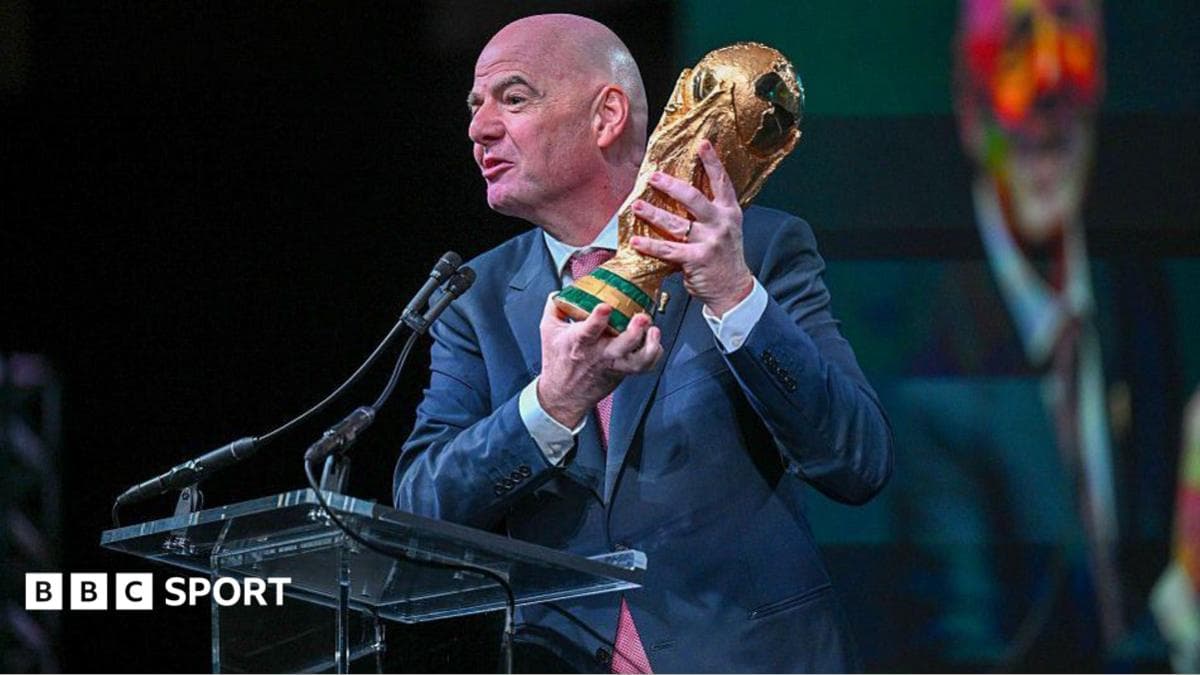
Could the 2026 World Cup Expand to 64 Teams Under Gianni Infantino?
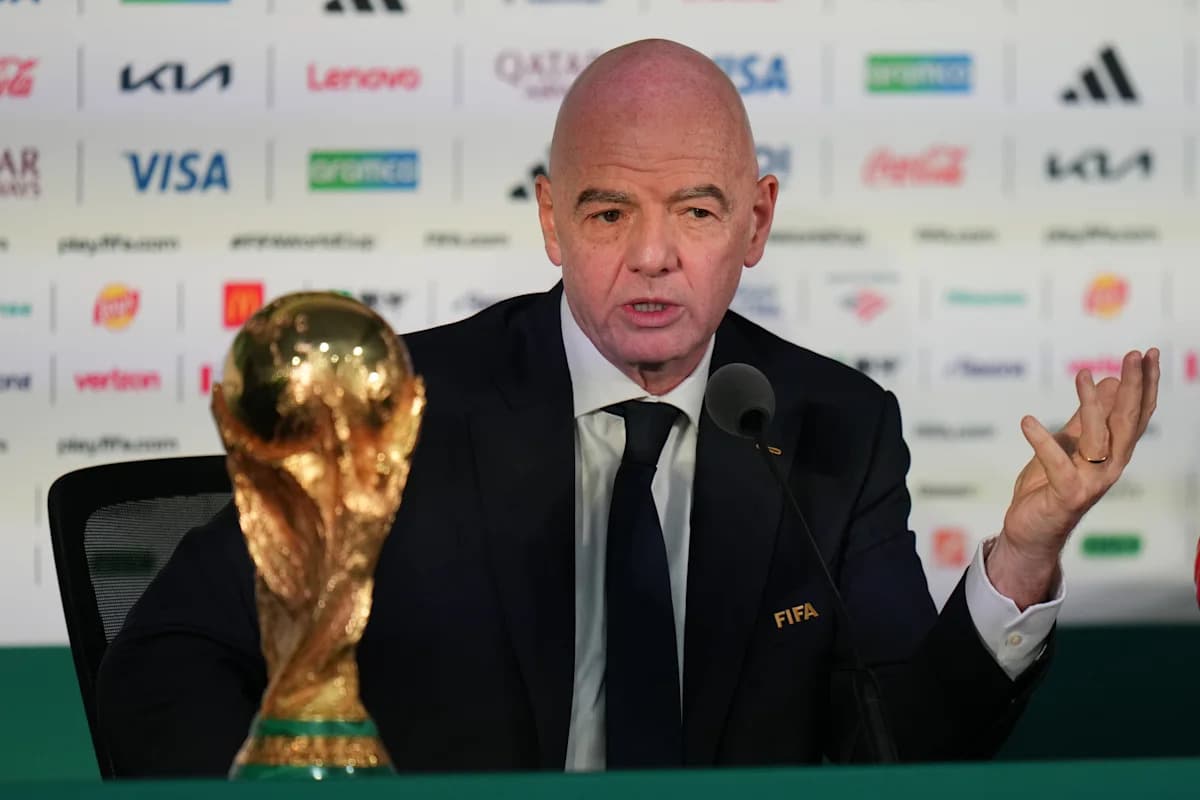
During his decade leading Fifa, Gianni Infantino has consistently pushed for more: more tournaments, more matches, and more revenue. The transformation of the Club World Cup, the expansion of the World Cup itself, and even the extended halftime show at the final all reflect this trend.
Now, the idea of expanding the World Cup to 64 teams seems to be gaining traction. Infantino argues that giving smaller nations a chance to compete is essential for encouraging their growth. But smaller countries have already qualified when they earn it, like Cape Verde, Curacao, Jordan, and Uzbekistan.
The Format and Logic Behind 64 Teams
A 64-team setup simplifies the tournament structure. Instead of complex rules about third-placed teams advancing, the top two from each of 16 groups would move on. Yet, it’s not clear if there are other solid reasons to double the number of participants beyond this structural change.
Who Supports This Expansion?
The push partly comes from Conmebol, South America's football confederation. For the 2030 World Cup centenary, which will be hosted across Morocco, Portugal, Spain, and South America, Conmebol requested a one-time 64-team event to include extra groups. Alejandro Dominguez, its president, said this would ensure no country is left out.
Right after the 2026 tournament ended, Dominguez reiterated his wish for a 64-team World Cup in 2030, claiming it would help international football grow.
But many others oppose the idea. Uefa president Aleksander Ceferin called it a bad idea for both qualifying and the tournament itself. The heads of Concacaf and the Asian Football Confederation (AFC) warned that further expansion could damage football’s ecosystem and bring chaos.
Deciding Factors
The final say belongs to the 37 members of the Fifa Council. Their decision will shape the future of the World Cup.
Will More Teams Weaken the Competition?
The 64-team plan offers a more straightforward format and a chance for emerging nations to shine, something Infantino highlights after Cape Verde's surprising performance. Before the last World Cup, many doubted the competitiveness of new teams, but Cape Verde drew with Spain and Uruguay and almost upset Argentina in the knockout stage.
Yet, many debutant countries struggled. Haiti, Iraq, Jordan, Panama, Tunisia, and Uzbekistan all failed to score points. The group stages were mostly predictable for top teams. Increasing the field risks diluting the competitive edge, making early exits by favorites less likely.
Who Would Join the Expanded Field?
Looking at current rankings, these additional countries might qualify in a 64-team World Cup:
Six of these teams rank in the top 50 worldwide, coming mainly from Europe and Africa. Asia and Concacaf appear weaker based on recent performances, with only a few teams advancing past the group stage.
Some argue Europe should get more slots to keep competition balanced. Others believe that giving more nations a shot helps football develop globally. Infantino seems ready to promote the latter, though some worry this may harm the tournament’s quality.
If nearly a third of Fifa’s 211 nations participate, the group stage might feel like an extended qualifier before the knockout rounds.
Logistical Challenges of a Larger Tournament
Adding four more groups means roughly 24 extra matches, needing about five more days than the current 39-day schedule. This year’s World Cup managed to stretch games across 14 hours daily thanks to multiple time zones and indoor stadiums, which won’t be easy to replicate.
Climate concerns make daytime matches harder too, especially outside venues with covered stadiums like those in North America. Saudi Arabia's planned 2035 World Cup might shift to January to avoid heat, but future hosts face tough choices.
More host cities, training facilities, hotel capacity, and transportation logistics would be necessary. Hosting such a large event stretches resources, especially for countries without existing infrastructure. Sharing hosting duties between regions like the UK and Scandinavia or across Eastern Europe could become the norm.
The Financial Side of Expansion
Infantino promised to boost football’s finances. National associations receive millions in funding, partly fueled by the World Cup’s income. In 2017, Fifa expected a 48-team tournament to generate $6.5 billion. After expanding matches again in 2022, revenues jumped toward $9 billion.
A 64-team World Cup would likely increase earnings from TV rights, sponsorships, and ticket sales. Infantino argues this helps grow the sport worldwide by providing more football action.
Critics say there must be a limit to expansion before it harms the game's integrity and excitement.