2026 World Cup Review: Heroes and Heartbreaks from Messi to Mbappe
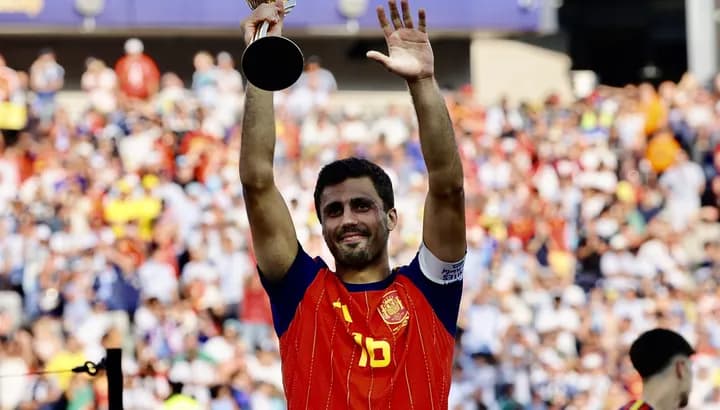
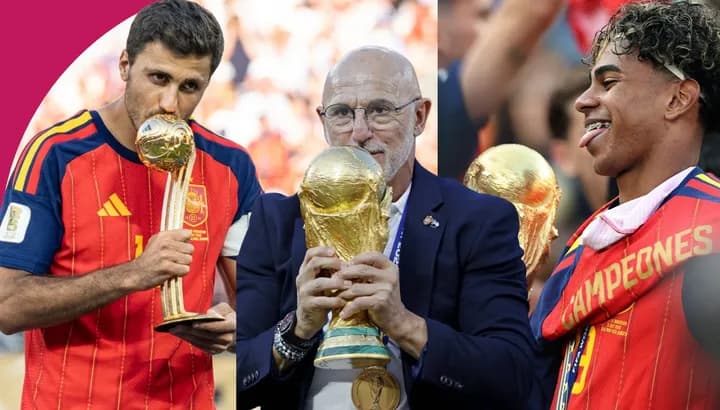
The 2026 World Cup wrapped up in New Jersey with Spain lifting the trophy after a tense 1-0 win against a depleted Argentina side. Substitute Ferran Torres netted the only goal in a match defined by defense versus attack, especially after Argentina's Enzo Fernandez was sent off in the final moments of regular time. The final itself drew criticism for its lack of excitement, but Spain’s disciplined performance made them deserving champions.
Post-match tensions flared when Argentina’s Leandro Paredes lashed out at Spanish players during celebrations, casting a shadow over what had been a defensively masterful tournament from La Roja.
Top Performers and Disappointments
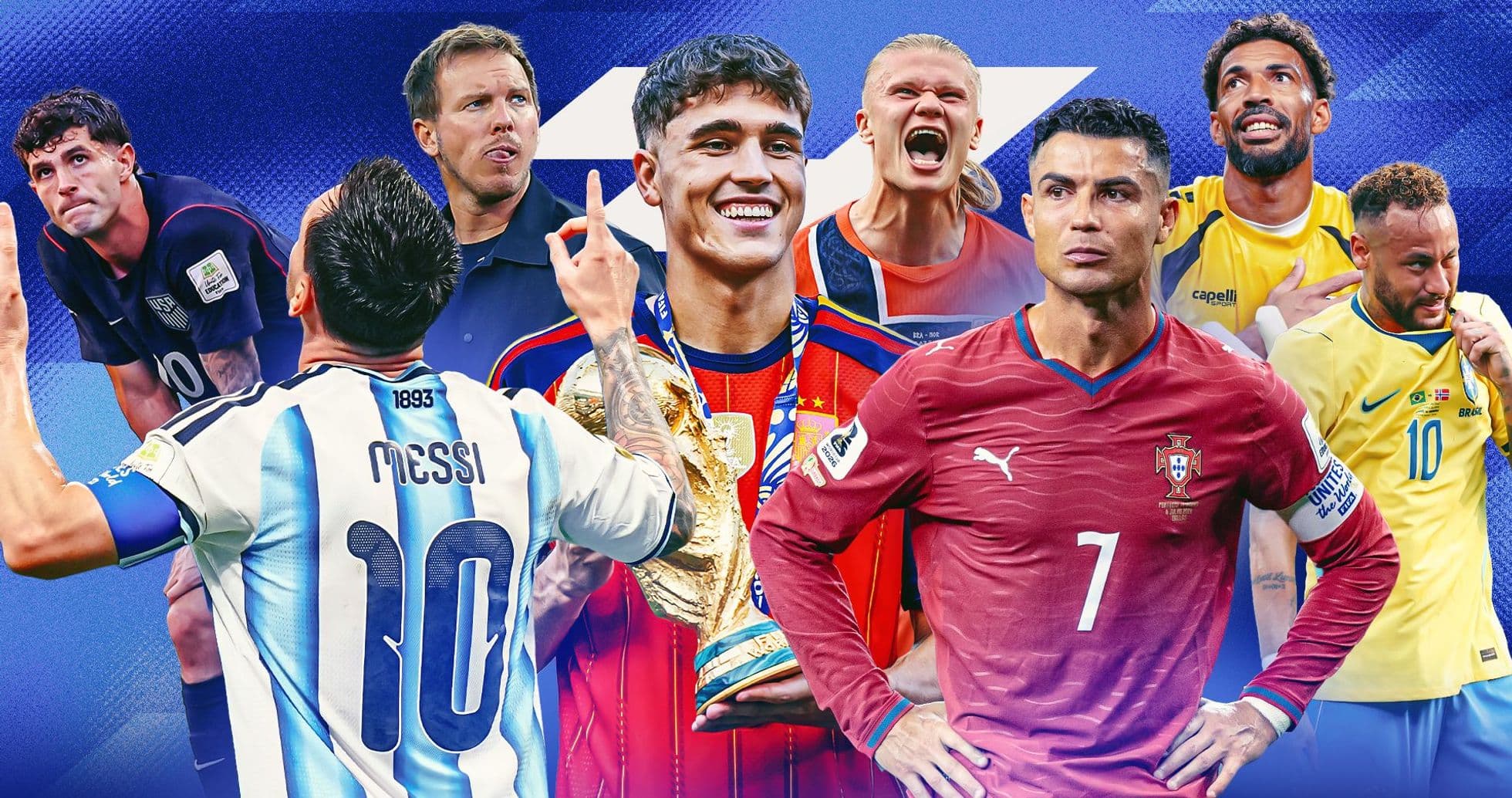
Erling Haaland was physically drained after Norway's 2-1 quarter-final defeat to England but beamed with pride over his and his team's achievements. Scoring seven goals in five matches, including two against Brazil, Haaland became an online sensation along with Norway’s passionate supporters. Reflecting on the experience, he said it felt surreal and life-changing, highlighting the unity and joy felt back home.
Neymar’s Bittersweet Farewell
Neymar ended his international career on a low note after Brazil’s last-16 loss to Norway. His final match included a time-wasting spat with Norway’s goalkeeper that mirrored a career often marked by misplaced priorities. Though blessed with immense talent comparable to Lionel Messi, Neymar’s professionalism faltered, leading to injuries that curtailed his potential. At 34, he left the stage without having fulfilled the lofty expectations many had for him.
Kylian Mbappe Breaks Records Amid Debate
Kylian Mbappe became the first player to win the Golden Boot twice in World Cups, although some questioned the legitimacy of goals scored after France’s elimination. His two goals in the third-place match also pushed him past Messi as the World Cup’s all-time top scorer at just 27 years old. Mbappe looks poised to set records that may stand for decades.
Germany’s Struggles and Nagelsmann’s Downfall
Germany’s early exit sparked criticism of coach Julian Nagelsmann. Although still young, Nagelsmann’s tactical approach failed to inspire, leaving Germany stagnant and predictable. The team’s lackluster performances led to his resignation, paving the way for Jurgen Klopp to take on the rebuilding task.
Spain’s Young Star Lamine Yamal Impresses
Lamine Yamal, despite battling injuries, showed maturity beyond his 19 years. He scored once during the tournament and even comforted Messi after the final. Spain’s coach praised Yamal’s selflessness and team spirit, predicting a bright future ahead for the young winger.
Christian Pulisic Faces Backlash After U.S. Exit
After the United States’ disappointing last-16 loss to Belgium, Christian Pulisic mentioned he looked forward to resting due to injury. This comment sparked harsh criticism, notably from Landon Donovan, who suggested Pulisic lacked the fighting spirit expected in big moments. The American star’s commitment was questioned, making this tournament a personal low point.
Iran Overcomes Adversity Amid Political Strife
Though eliminated in the group stage, Iran garnered sympathy for facing severe political challenges, including restricted travel and unfair conditions affecting their preparation. Their near-miss qualification highlighted their resilience. Coach Amir Ghalenoei urged FIFA to prevent such treatment in future tournaments, though no action was taken. Iranian players left a message advocating peace and respect, marking a memorable, if bittersweet, World Cup presence.
VAR Controversies Dim Emotions
The Video Assistant Referee (VAR) system played a pivotal role in several contentious decisions, notably disallowing Croatia’s last-minute equalizer against Portugal in the round of 32. Croatia’s coach Zlatko Dalic lamented how VAR stifled emotions and joy in football. Many teams, including Germany, Egypt, and Norway, suffered similar fates, prompting ongoing debate about the technology’s impact on the game.
Senegal’s Turbulent Campaign Ends Early
Senegal squandered a two-goal lead against Belgium, eventually losing in extra time after a controversial penalty. Off-field issues, including bonus disputes and coaching conflicts, marred their campaign. Several players expressed frustration, and the coach’s dismissal followed, reflecting a chaotic World Cup experience for the Lions of Teranga.
Morocco Leads African Success Stories
African football shone with nine qualifiers reaching the knockout stage, Morocco going deepest by making the quarter-finals. Despite missing key player Ismael Saibari due to injury, Morocco showed attacking promise and represented not just their nation but much of Africa and Asia. Coach Mohamed Ouahbi emphasized the team’s bright future, aiming for major trophies, especially as Morocco prepares to co-host the 2030 World Cup.
Asian Teams Struggle Significantly
With only Japan and Australia advancing past the group stage—and both exiting in the first knockout round—the Asian Football Confederation faced a poor showing. Uzbekistan, Iraq, Jordan, Qatar, and Saudi Arabia finished bottom of their groups. AFC president Salman bin Ibrahim Al Khalifa acknowledged the need for improvement, as the gulf between Asian teams and global elites appeared vast.
Thomas Tuchel Salvages Some Pride for England
Thomas Tuchel guided England to third place after a wild 10-goal thriller against France in the consolation match. Despite heavy criticism for his cautious tactics that cost England a spot in the final, this victory allowed him to avoid immediate dismissal. Yet pundits and fans alike questioned whether Tuchel deserved to remain, given England’s inconsistent performances and reliance on favorable circumstances.
Didier Deschamps Leaves Mixed Legacy
French coach Didier Deschamps ends a 14-year tenure with a World Cup title in 2018 but a disappointing fourth-place finish in 2026. The team’s pragmatic style frustrated fans and critics, with many feeling Deschamps underachieved given the squad's talent. Kylian Mbappe acknowledged that players might have let the coach down, but many saw it as a failure on Deschamps’ part to adapt and inspire.
Lionel Messi’s Last Dance
At 39, Lionel Messi delivered a remarkable World Cup performance, scoring eight goals and providing four assists to earn Silver Ball and Silver Boot honors. Despite Argentina’s loss in the final, Messi's brilliance carried a mediocre side deep into the tournament, cementing his status as one of football’s all-time greats.
Marcelo Bielsa’s Troubled Uruguay
Marcelo Bielsa admitted to being a toxic influence after Uruguay’s dismal World Cup showing, where they failed to win a single match. Internal discord and poor results led to his departure, with Bielsa acknowledging his tenure left no lasting positive impact on Uruguayan football.
Jude Bellingham Emerges as England’s Future
Despite frustration in the semi-final loss, Jude Bellingham proved vital for England, scoring seven goals—the most by any Englishman in a single World Cup. His solo strike in the third-place playoff highlighted his skill, and many see him as the player to carry English football forward in coming years, potentially succeeding Messi as the world’s best.
Canada’s Historic Run and Marsch’s Misstep
Canada stunned by reaching the last 16 for the first time, but coach Jesse Marsch drew criticism for downplaying their loss to Morocco with remarks seen as disrespectful. His comments overshadowed the team’s achievement and reinforced perceptions of him as overly theatrical.
Spain’s Defensive Masterclass
Spain’s triumph was built on a rock-solid defense, conceding just one goal throughout the tournament. Players like Pedro Porro, Aymeric Laporte, Marc Cucurella, and 19-year-old Pau Cubarsi stood out, supported by midfield anchor Rodri. Goalkeeper Unai Simon made just 10 saves in eight games, underscoring the defensive dominance behind Spain’s success.
Scotland’s Mediocre Showing
Despite passionate support, Scotland’s performance was underwhelming, winning only once against Haiti and creating few chances. Former players criticized the tournament format allowing such teams into knockout rounds, arguing it diluted the World Cup’s quality.
Cape Verde’s Fairy Tale Journey
Cape Verde captured hearts by nearly upsetting Argentina in the round of 32. Their strong defensive effort included a veteran goalkeeper and a defender recruited through LinkedIn. Their achievements symbolized football’s magic and reminded fans why the sport remains captivating.
Cristiano Ronaldo’s Waning Influence
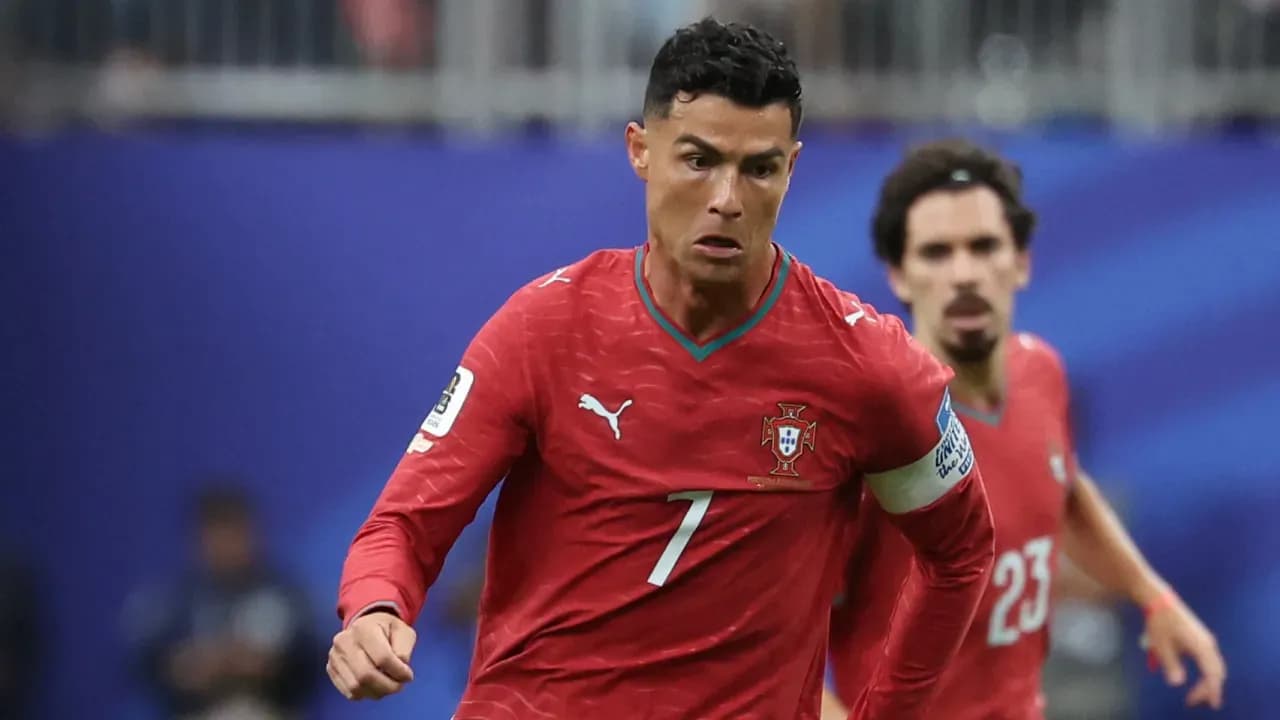
Cristiano Ronaldo struggled to make an impact at 41, with his performances lacking the spark of his prime. Portugal’s campaign suffered under coach Roberto Martinez, whose tactics limited the team’s potential. Ronaldo’s presence arguably hindered the squad’s cohesion, casting a shadow over his legendary status.
Hossam Hassan’s Call for Humanity
Egypt coach Hossam Hassan condemned the global community’s silence amid the suffering of Palestinians during the tournament. He urged football figures worldwide to use the sport’s influence to advocate for peace and dignity, reminding everyone that humanity transcends politics and religion.
FIFA’s Tarnished Reputation
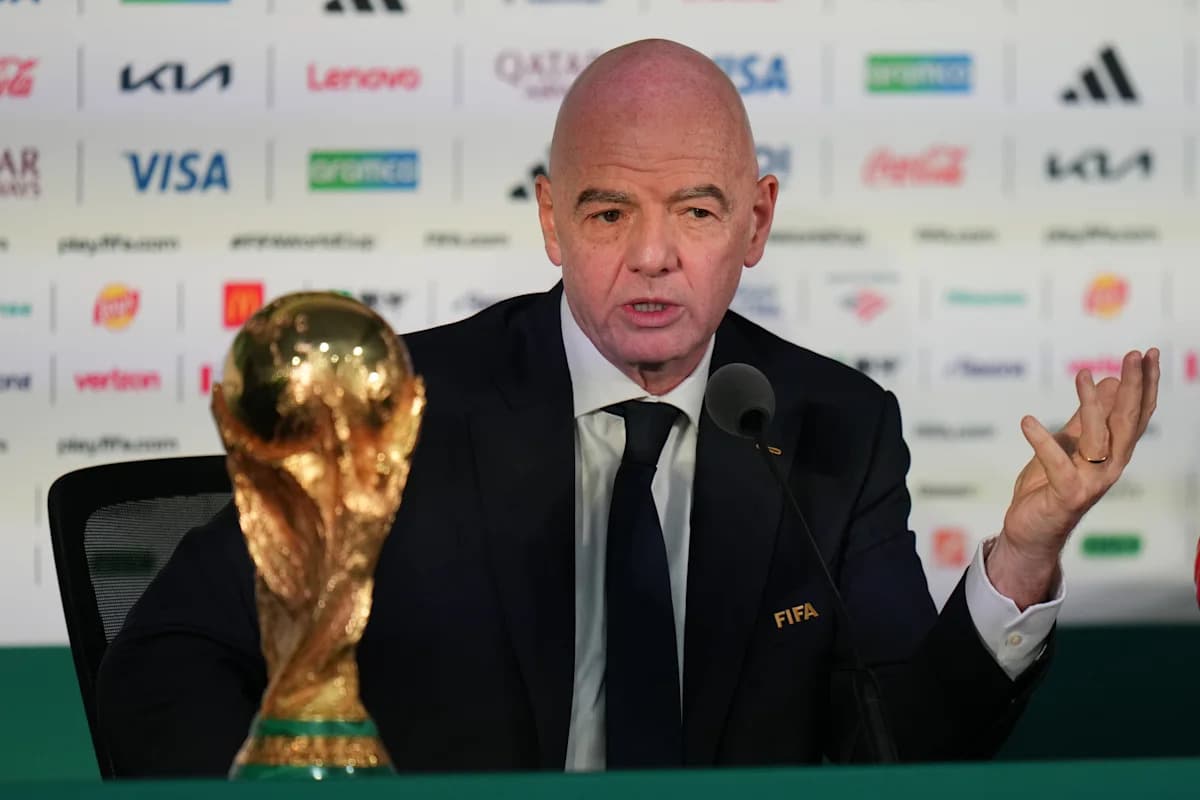
The 2026 World Cup faced significant controversy, with political interference, travel restrictions, and rule changes marring the event. President Gianni Infantino faced criticism for prioritizing image over substance. Incidents like the Spidercam fiasco and refusal to address injustices highlighted a loss of credibility, leaving many to question the future of the game.