The Unpredictable Thrills of the 2026 World Cup
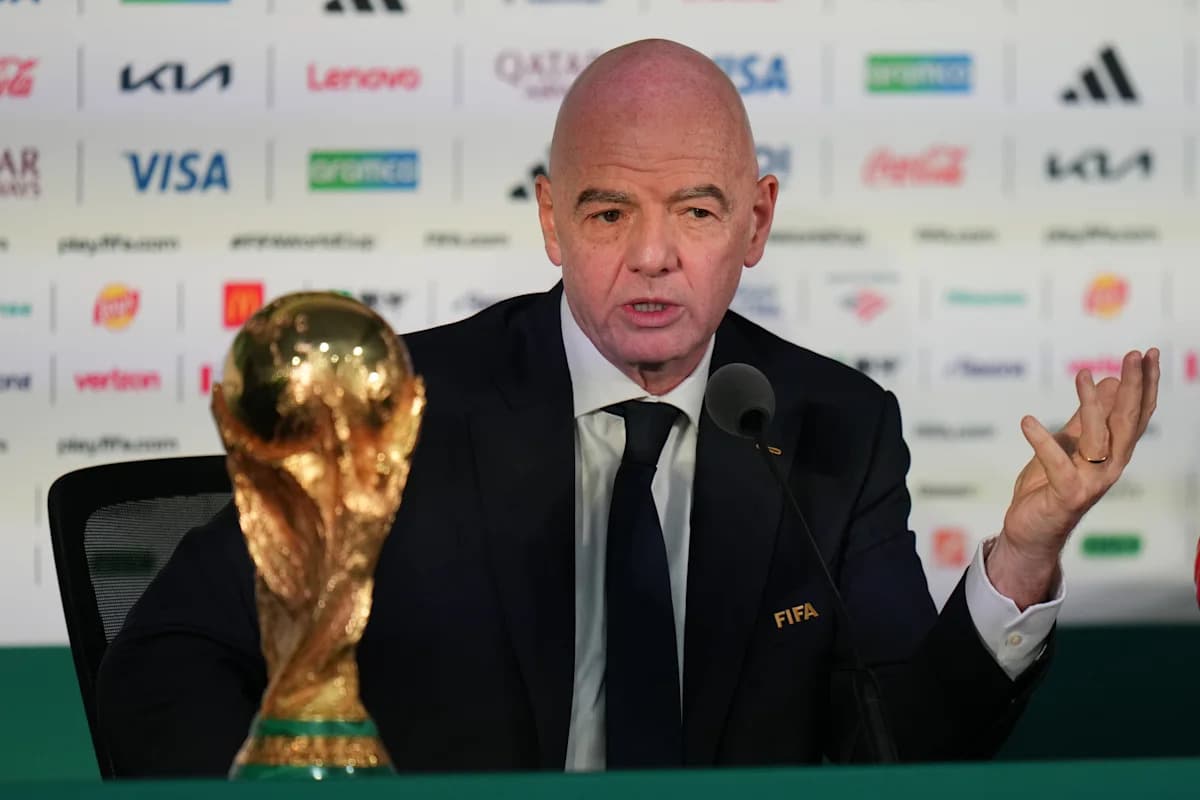
When FIFA revealed the 2026 World Cup would expand to 48 teams, many doubted it. Critics worried the group stages would drag and that the quality would drop. Yet, as the tournament unfolds across the USA, Canada, and Mexico, this new format has delivered unexpected excitement.
Unlike Qatar 2022, which felt like a procession for the usual giants, this year’s event has thrown tradition out the window. History and reputation seem almost irrelevant. This fresh unpredictability has made the knockout rounds gripping and full of surprises.
Underdogs Shake Up the Giants
Increasing the number of teams to 48 diluted the typical seedings. The traditional powerhouses expected easy progress early on but faced tough, well-prepared teams using diverse tactics. Countries quietly building solid squads away from the spotlight have found ways to punish any complacency.
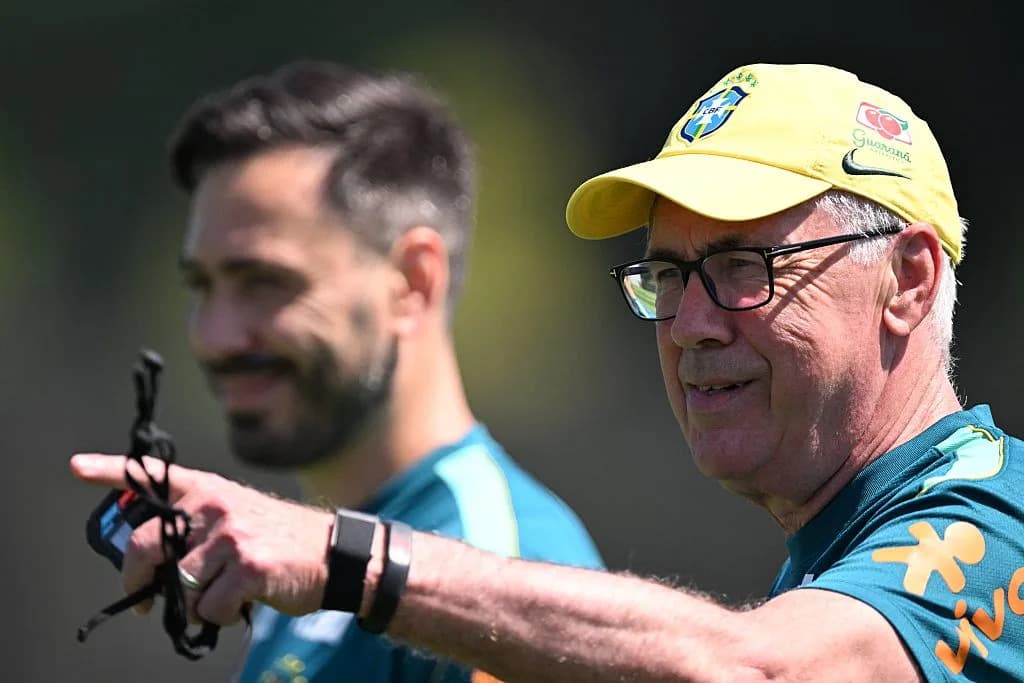
Brazil’s exit in the Round of 16 was a shock. Despite a squad stacked with Champions League stars, they lost 2-1 to Norway in New Jersey. Norway’s aggressive pressing and Erling Haaland’s dominance unsettled the South Americans.
In Boston, another upset unfolded. Paraguay knocked out a troubled Germany team with a disciplined defensive strategy. After a heavy 4-1 loss to the USA in their group, Paraguay bounced back by absorbing relentless German pressure and winning 4-3 on penalties. Their stubborn defense showed that grit still matters in knockout football.
Cape Verde, a nation of just over half a million people, became this summer’s fairy tale. They held Spain to a goalless draw in the group stage and pushed defending champions Argentina to extra time before falling 3-2. Their run proves this expanded format gives smaller nations a real chance to shine.
The Physical Toll of More Matches
With more games, the physical demands have shifted. Under the old 32-team format, top sides could rotate and save energy. That luxury is gone. The Round of 32 adds an extra hurdle, and the tight schedule is wearing down traditional giants.
Argentina versus Egypt in Atlanta was a clear example. Egypt opened with a stunning two-goal lead, capitalizing on an exhausted Argentine side. Lionel Messi’s first-half penalty was saved, reflecting his sluggishness. Tactical tweaks by coach Lionel Scaloni helped Argentina claw back to a 3-2 win late in stoppage time. It felt less like superiority and more like sheer survival. This format turns knockout stages into a battle of endurance as much as skill.
Giants Still Standing Amid Chaos
Despite the chaos, the big names remain strong. France has cruised through with ruthless efficiency, reminding everyone why they are favorites. Spain and Argentina also survived tough early tests. As quarter-finals approach, these giants share the spotlight with unexpected contenders.
Betting markets highlight the favorites. France leads as the likely champion, with Spain and Argentina close behind. England, despite scraping past Mexico with a defensive masterclass, still holds strong odds. Bookmakers expect the trophy to stay with the familiar elite, with underdogs like Norway and Morocco seen as long shots.
The 2026 World Cup has found a unique balance. The biggest teams remain central but face serious challenges from emerging nations like Cape Verde, Paraguay, and Egypt. This unpredictability makes the tournament thrilling. These weeks have shown that past glory doesn’t guarantee future success once play begins.