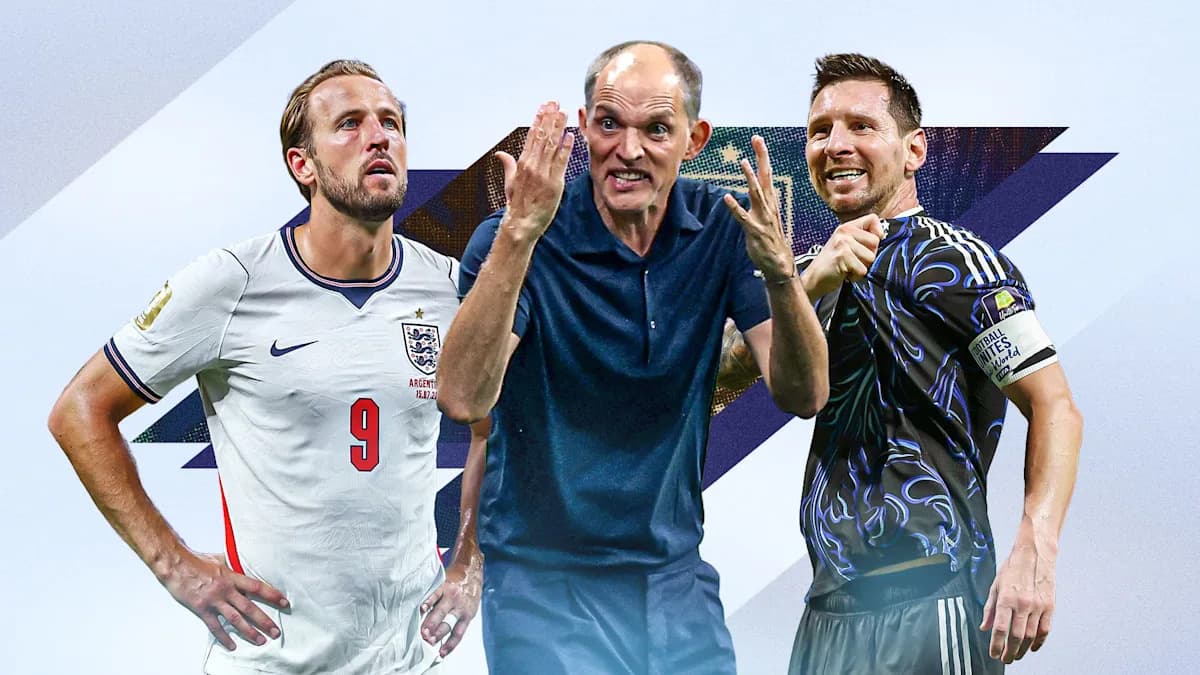
Tuchel's Tactics Falter as Messi Leads Argentina to World Cup Final Over England
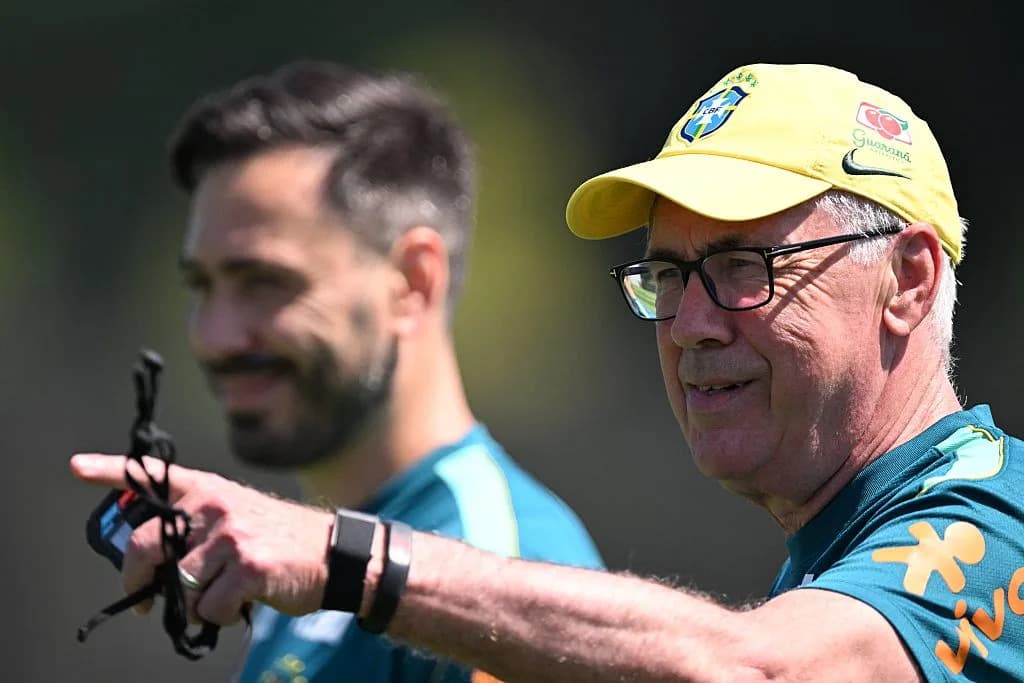
For most of the match, England matched Argentina stride for stride, holding a narrow 1-0 lead over the defending champions. A first World Cup final since 1966 seemed within reach for the Three Lions. Then the tide turned, largely due to decisions by manager Thomas Tuchel, which allowed Lionel Messi and Argentina to seize victory.
Tuchel had already swapped goal-scorer Anthony Gordon for Ezri Konsa when he added two more defenders, aiming to lock down the game completely. England retreated to defend against Messi, widely regarded as the game's greatest creative talent, and hoped for the best. That hope was not rewarded.
Argentina summoned the sense of destiny that has marked their tournament run, scoring twice in the last five minutes. Despite England's strong performance, they succumbed to heartbreak again in a match they could have won.
"We were just not active enough in any structure," Tuchel said after the match. "We didn't find any duels, any activity, we couldn’t get close anymore. We struggled to defend crosses."
The match began with both sides cautious; neither registered a shot for 30 minutes. Argentina focused on physical dominance early on. Ten minutes into the second half, Gordon finished a cross from Morgan Rogers, putting England ahead. At that point, England could have controlled the game, facing an opponent who could be outplayed.
Instead, England withdrew. Even before switching to a back five—a formation that helped them against Mexico—they fell deeper. Argentina broke through as Enzo Fernandez and Lautaro Martinez converted Messi’s assists, keeping Argentina's flawless World Cup semi-final record intact.
England fans could only watch in stunned silence as the opportunity slipped away, with much of the blame falling on themselves.
Winners and Losers
Winner: Lionel Messi
Messi was quiet for much of the match, lurking on the edges without significant impact. Aside from some clever runs and a spectacular foul by Elliot Anderson, he was contained. Yet when England packed their defense, Messi found the space to take control.
He picked up dangerous positions near the penalty area and thrived. His first assist was a precise pass to Fernandez; his second was vintage Messi—a shoulder drop, sudden acceleration, and a perfectly floated ball for Martinez to head home.
"He’s one of the best players ever for a reason," England captain Harry Kane admitted. "It was disappointing to give up the space we did. In those last 20 minutes, it allowed him and others to grow confident and create danger. In the end, it was too much for us to stop."
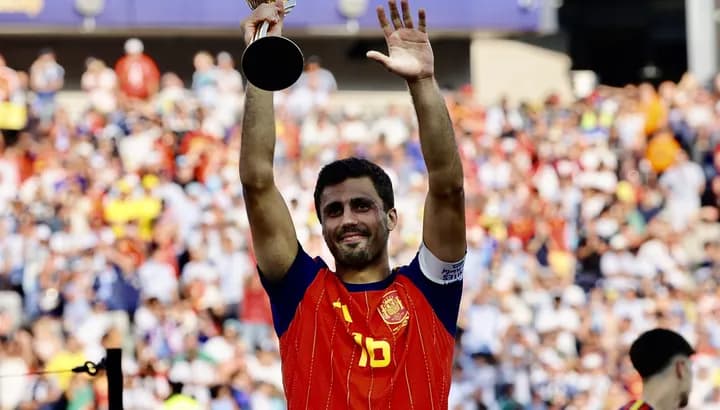
At 39, Messi showed he still has magic left and will get another chance to shine in the final against Spain.
Loser: Thomas Tuchel
England’s pattern of faltering at key moments reappeared, and Tuchel was expected to be the steady hand. Instead, he seemed overtaken by England’s own doubts. Defending a lead is sometimes admirable, but here, Tuchel's defensive shift came too early.
His first defensive move came in the 72nd minute, replacing Gordon with Konsa and shifting to a back five. Dan Burn and Nico O'Reilly followed ten minutes later. By then, England had ceded control. Argentina dominated possession, and England’s defense eventually buckled.
"As soon as you lose, you get criticized... I take the criticism, that’s just the way it is," Tuchel stated.
The Football Association reportedly supports Tuchel through Euro 2028, but he must accept much responsibility for this crushing loss.
Winner: Lionel Scaloni
On the other sideline, Argentina’s manager never wavered. As Tuchel tightened England’s defense, Scaloni responded by adding attacking players. He removed Leandro Paredes despite his strong performance, bringing on Nico Gonzalez for more goal threat and deploying Rodrigo De Paul where England’s left side was vulnerable.
"There was blood in the water and we went for it," Scaloni said.
Argentina’s strategy revolves around getting Messi the ball, but the supporting cast remains fluid. This team plays for one man and will do whatever it takes to deliver him a second World Cup. Scaloni has crafted a brotherhood fueled by belief and loyalty, guiding Argentina to three straight tournament wins since 2021.
"It is a show of the collectiveness of the brotherhood that we are in; we fight to the very end... We’re well aware of how special this team is," Scaloni added.
Loser: Harry Kane
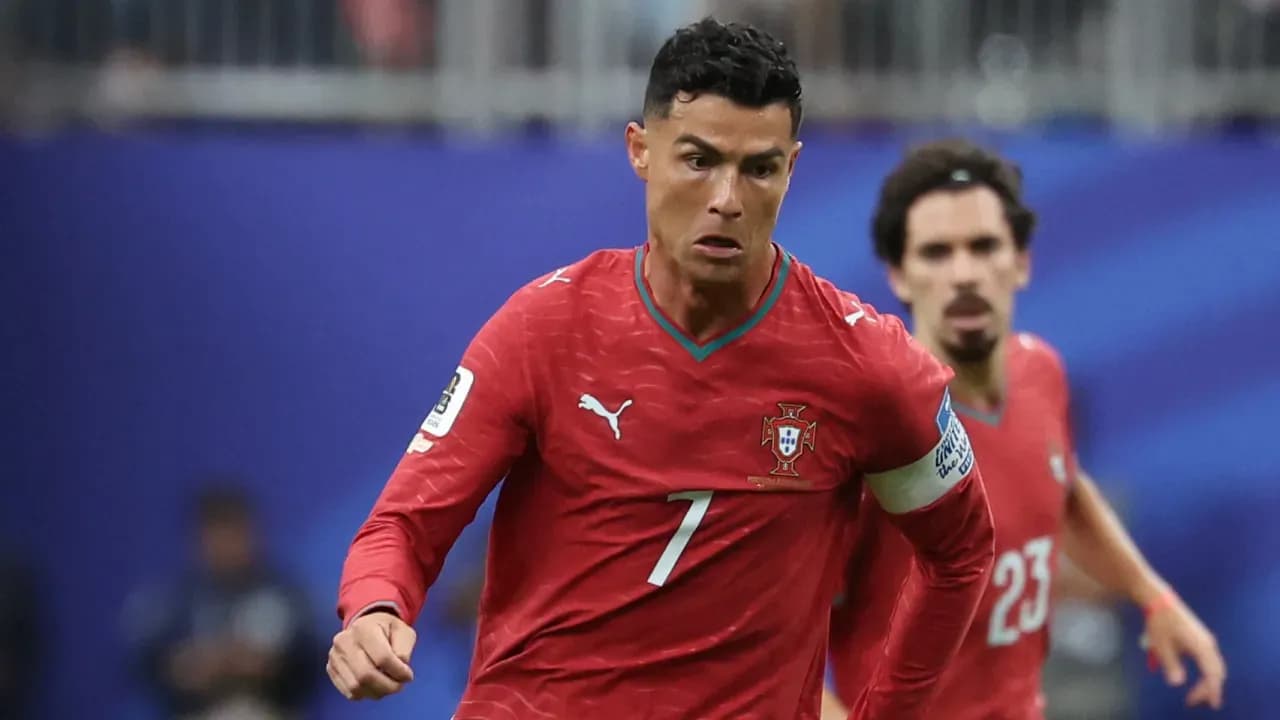
Kane had a tough match. England needed a forward to press and create, but Kane found himself pulled into midfield battles during the first half. As England retreated, so did Kane. He managed just one blocked shot and had only 26 touches, none inside Argentina’s penalty area.
With a home Euros coming up, this might be Kane’s last World Cup. He denied that notion after the match, but this felt like a missed chance for the Bayern Munich striker to shine on football’s biggest stage.
Kane might still push for the Golden Boot in the bronze medal match against France, but Messi and young talents like Lamine Yamal stand as contenders for the Golden Ball if their teams win Sunday.
Winner: Argentina's Sense of Destiny
Argentina's path to the final reinforces the idea they are fated to defend their crown. They scraped through tight matches against Cape Verde and Switzerland, won after trailing against Egypt and England. Their coach spoke of belief and destiny.
In Qatar, Argentina twice surrendered two-goal leads but recovered to win on penalties, including the final. Lautaro’s extra-time goal in the 2024 Copa America final is another example. They believe they can find ways to win, even in adversity, and that belief fuels them heading into the final against Spain.
Loser: England’s Persistent Inferiority Complex
Tuchel is a pragmatic coach hired for his realistic approach. Yet no tactic can erase some deep-rooted psychological hurdles.
Tuchel observed that after conceding, Argentina played with renewed intensity while England faded. Kane reflected, "We struggled to keep momentum. We’d done well for about 60 minutes. We scored and deserved to lead. Then, for some reason, we lost control."
England seems to struggle with big moments. Past finals and semifinals reveal similar patterns: leading but losing. Since 1998, England has lost all seven World Cup matches against top-10 ranked teams.
Tuchel’s choices influenced this outcome, but England’s psychological barrier remains unresolved, no matter the manager.