Sporting JAX vs Detroit City: A Stark Audit of USL Championship
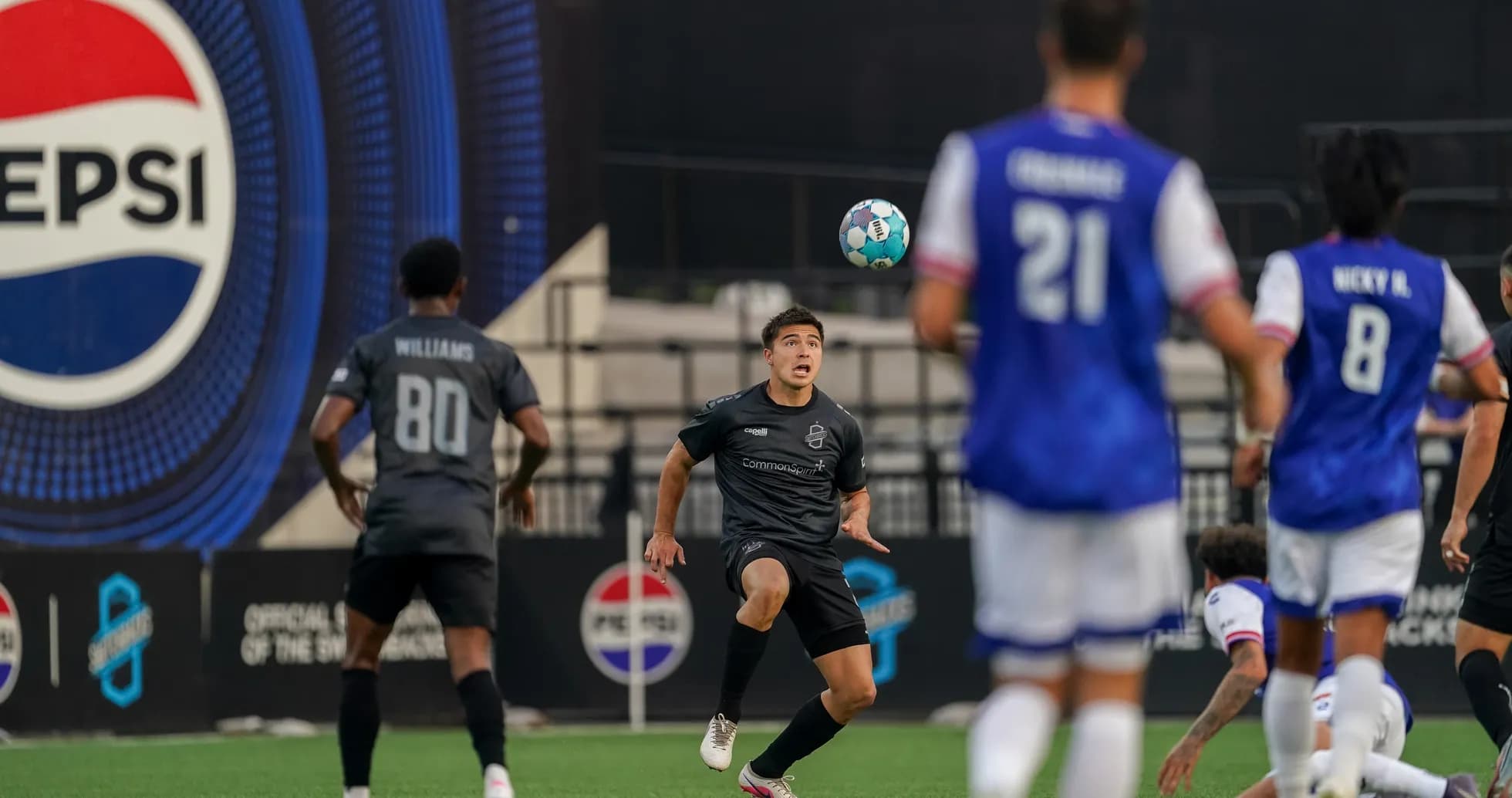
Under the humid Jacksonville night at Hodges Stadium, this Group Stage clash in the USL Championship felt less like a mid-season checkpoint and more like a stark audit of where these two projects truly stand. Sporting JAX, rooted to 13th in USL 1 with just 3 points from 13 matches and a goal difference of -19, were torn apart 2-6 by a Detroit City side that arrived with promotion ambitions and left looking every inch a contender.
Heading into this game, the numbers already painted a grim picture for the hosts. Overall this campaign, Sporting JAX had yet to win in 13 outings, with 0 victories in total and a record of 0-3-10. At home, they had at least shown flickers of resistance — 2 draws from 6 fixtures — but their defensive fragility was brutal: 20 goals conceded at home at an average of 3.3 per match, against only 10 scored (1.7 on average). On their travels, Detroit City were imperfect but dangerous, with 9 away goals at an average of 1.3 per game, and a season-wide profile of 19 goals scored and 13 conceded overall, for a positive goal difference of 6 and 21 points that had them sitting 2nd in the group.
I. The Big Picture: contrasting identities
This fixture crystallised those seasonal identities. Sporting JAX’s campaign has been defined by vulnerability and volatility. Overall, they concede 2.6 goals per match while scoring just 1.2, a combination that leaves them constantly chasing games. Their biggest defeats — 2-6 at home and 4-0 away — tell of a side that, once breached, can unravel quickly.
Detroit City, by contrast, are built on a more balanced platform. Overall, they average 1.5 goals for and 1.0 against, with clean sheets in 5 of their 13 matches. At home they are dominant (5 wins from 6, just 3 goals conceded), while away they have been more erratic, losing 4 of 7. Yet their attacking ceiling on the road is high: their biggest away win is that 2-6 scoreline, the very margin they just reproduced against Sporting JAX.
Following this result, the scoreboard — 3-1 to Detroit City at half-time, 6-2 by full-time — reflected not just a bad night for the hosts, but a structural mismatch between a brittle defence and a visiting attack that smelled blood early and never relented.
II. Tactical voids and discipline: where games slip away
With no formal absences listed, both coaches had their core groups available, but the voids for Sporting JAX were tactical rather than personnel-based. The starting spine of C. Olivares, W. Ackwei, R. Edwards and H. Neville had to cope with a Detroit front line featuring B. Morris, A. Diouf, D. Smith and the roaming threat of Rafa Mentzingen and P. Etaka. On paper, that’s a duel between a defence that concedes heavily and an attack that thrives when given space.
Discipline has been another recurring fault line for Sporting JAX. Overall this season, their yellow cards skew heavily towards the closing stages: 26.47% of their cautions arrive between 76-90 minutes, and 20.59% between 61-75. Red cards are split between 16-30 minutes and 76-90, each window accounting for 50.00% of their dismissals. That pattern suggests a side that loses emotional control both under early pressure and in late-game chaos.
Detroit City, by contrast, compress their disciplinary risk into the middle third of games. Overall, 27.27% of their yellows come in each of the 46-60 and 61-75-minute windows, while their single red card this season has arrived in the 16-30 range. They are aggressive after the interval, but generally avoid the meltdown that has plagued Sporting JAX late on.
III. Key matchups: hunters and shields
Without explicit top-scorer data, the attacking threat for Detroit City has to be read through roles and season patterns. B. Morris, leading the line with shirt number 9, is the natural focal point, supported by the fluid movement of D. Smith and the creative surges of Rafa Mentzingen and P. Etaka. This quartet attacked a Sporting JAX defence that, heading into this game, had already conceded 34 goals overall — 20 at home — and had yet to keep a single clean sheet in any venue.
The “Hunter vs Shield” dynamic was therefore heavily tilted. Detroit’s forwards were facing a back line that allows 3.3 goals per home match and has already suffered a 2-6 home defeat this season. The shield was cracked before a ball was kicked; the hunters simply exploited the fractures.
In midfield, the “Engine Room” duel was intriguing on paper. Sporting JAX leaned on the trio of W. Kuzain, R. Somersall and J. Rossiter to stitch together possession and offer some protection. Across from them, A. Diop and K. Hernandez-Foster were tasked with setting Detroit’s tempo and connecting to the front line. Given Detroit’s overall defensive record — just 13 goals conceded in total and 5 clean sheets — their midfield balance between control and cover has been a quiet strength of their season.
Yet the match narrative suggests that Sporting JAX’s midfield was overrun in transition. Their season-long profile, with 5 matches in which they failed to score and 0 clean sheets, indicates a team that struggles to control game states. Once Detroit City established a lead, the spaces between Sporting JAX’s lines widened, inviting wave after wave of counter-attacks and direct incursions.
IV. Statistical prognosis: xG without numbers
Even without explicit xG data, the contours of this match are clear. A side that concedes 2.6 goals per game overall and 3.3 at home is highly likely to yield a high expected goals tally to any competent opponent. Against a Detroit City attack averaging 1.5 goals per match overall — and already capable of a 6-goal away performance this season — the probability landscape was always skewed towards a multi-goal away output.
Defensively, Detroit City’s season-long solidity suggests that Sporting JAX’s 2 goals are more a product of game state than sustained threat: when a match becomes stretched at 3-1 or 4-1, even a struggling attack can carve out higher-quality chances. But over 90 minutes, the structural differences told. Detroit City’s balance, their capacity to manage phases despite a spiky disciplinary profile in the middle third, and their ruthless exploitation of Sporting JAX’s late-game and systemic fragility produced a scoreline that felt less like an anomaly and more like a confirmation.
Following this result, Sporting JAX remain trapped in a cycle of defensive collapse and emotional volatility, their season defined by damage limitation rather than resurgence. Detroit City, meanwhile, leave Hodges Stadium not just with three points, but with the emphatic proof that their promotion push is underpinned by a ruthless, repeatable attacking edge — the kind that turns vulnerable opponents into statement victories.