Spain's World Cup Victory Validates Their Soccer Dominance
Spain spent years crafting what many now see as the finest national soccer team before finally securing the World Cup title. The victory on Sunday at MetLife Stadium showcased their dominance and resilience, with a 1-0 win over Argentina after extra time.
Moments of Triumph and Heartbreak
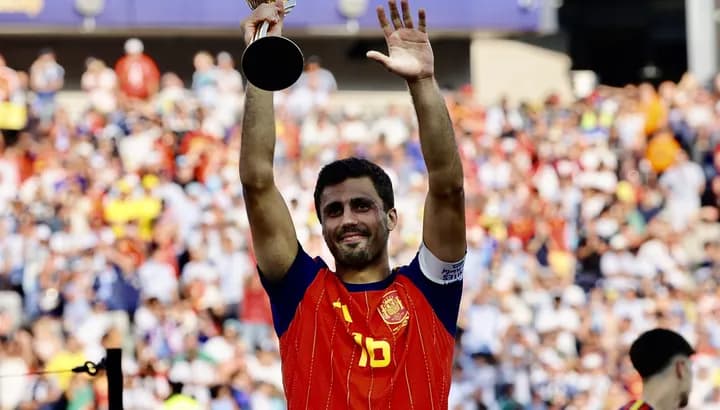
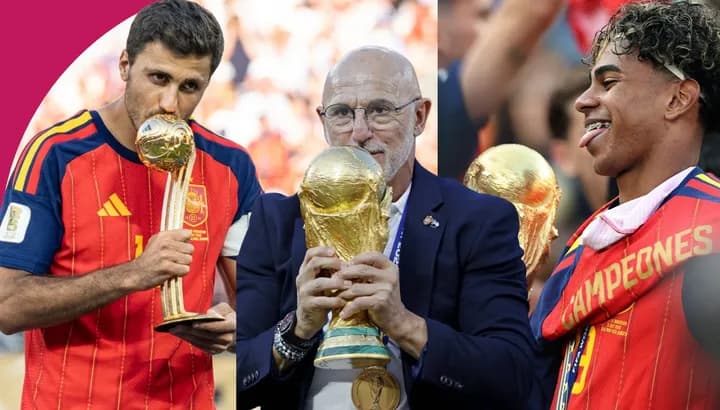
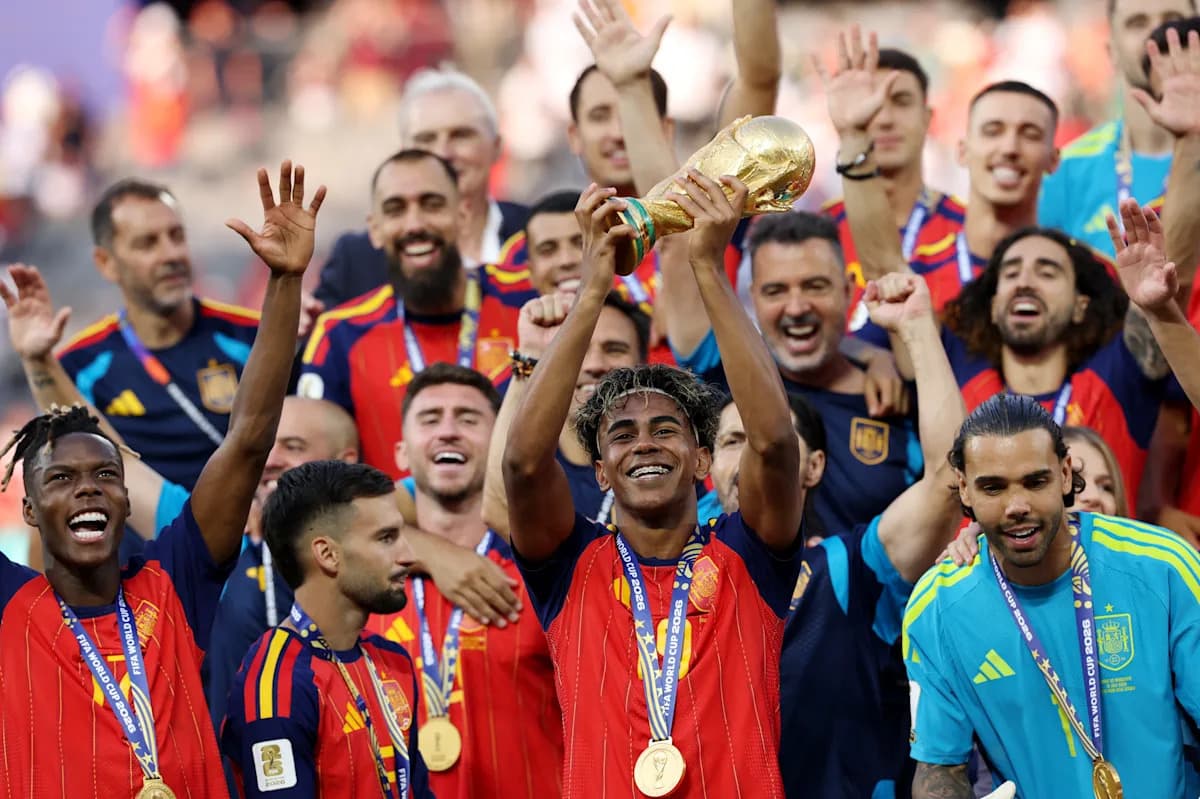
The scene was powerful: Lionel Messi wept openly, his six World Cups likely behind him, surrounded by his sorrowful Argentine teammates and passionate fans who continued chanting in support. Meanwhile, Spanish players smiled broadly as they accepted their medals and waited for captain Rodri, awarded the Golden Ball, to lift the trophy.
Spain was the stronger side throughout the match, but it took a dramatic goal by Ferran Torres in the 106th minute to break the deadlock against an Argentine team that fought bravely despite facing tough odds.
Defensive Mastery and Tactical Control
Over 750 minutes and eight matches, Spain conceded just one goal. Their ball control was impeccable, often making it seem as though no other players were on the field. They effectively neutralized the threat posed by Argentina's relentless offense led by Messi.
The only real danger for Spain would have been a penalty shootout, especially after Argentina was reduced to ten men late in regulation time. But Torres’ goal early in extra time prevented that scenario, though Spain still had to withstand two tense moments before clinching victory.
A Historic Second Title
This second World Cup win for Spain echoed their 2010 triumph when Andrés Iniesta scored in extra time against a 10-man Netherlands side. Iniesta himself attended the final with his family, witnessing history repeat itself.
Torres, playing for FC Barcelona like seven others on the squad, became only the second substitute ever to score a winning goal in a World Cup final, joining Germany’s Mario Götze from 2014, who also scored against Argentina.
"I just saw the ball coming to me and I shot with the power of all the Spanish people," Torres said, expressing the passion behind his decisive strike.
Argentina’s Courageous Effort
Despite not scoring, Argentina showed remarkable endurance. They reached the final by overcoming challenges in extra time against Cape Verde and Switzerland and staging late comebacks against Egypt and England. Their goalkeeper, Emi Martínez, set a World Cup final record with 11 saves, though most were routine stops given Spain’s controlled offense.
Coach Luis de la Fuente reminded his team during the break in extra time to stay focused and wary of conceding, advice that paid off as Spain kept their composure until the very end.
Legacy and Future Promise
With this victory, Spain extended its unbeaten streak to 38 games. Their recent achievements include winning the 2023 Nations League, the 2024 European Championship, and a silver finish in the 2025 Nations League decided on penalties. Even their under-23 squad claimed Olympic gold in 2024.
Their success extends to women’s soccer too, with Spain capturing their first Women’s World Cup in 2023. Coach de la Fuente highlighted the team's growth through talent, attitude, and commitment, noting the journey is far from over.
Two teenagers, winger Lamine Yamal and defender Pau Cubarsí, who earned the best young player award, started for Spain, signaling a bright future. Goalkeeper Unai Simon received the Golden Glove despite limited work, while Rodri’s leadership earned him the MVP award.
Argentina Reflects on the Final
Though disappointed, Argentina showed pride in their run. Coach Lionel Scaloni thanked the fans for their support and acknowledged Spain's deserved win. "We need to accept it. But we were close," he said.