Spain’s World Cup Victory Through the Lens of NFL's Greatest Defensive Runs
When Spain began its World Cup journey with a scoreless draw against underdog Cape Verde, doubts lingered about the true potential of Luis de la Fuente’s squad. Dominant defense can only get you so far without scoring goals, leading many to question if Spain possessed the offensive firepower needed to claim the title.
All uncertainties vanished after their 1-0 triumph in the final, a result that masked a far more commanding performance than the scoreboard suggested. Spain set a new standard by conceding just one goal throughout the entire tournament, despite playing an additional match compared to past champions.
Their championship run mirrors some of the most remarkable defensive displays in NFL history, where defenses carried teams to Super Bowl glory.
Parallels Between Spain and NFL’s Top Defenses
Lamine Yamal may shine, yet Spain lacked a standout global superstar in this tournament. Mikel Oyarzabal led with five goals, but it was a collective effort where each player excelled at their role. The 2000 Ravens had a similar blueprint. QB Trent Dilfer managed games effectively but wasn't the star quarterback. Baltimore’s defense was suffocating, allowing just 10.3 points per game in the regular season and an even stingier 5.8 in the playoffs, culminating in a dominant 34-7 Super Bowl victory over the Giants.
Though the Ravens didn't topple a legend like Messi, their defensive dominance echoed Spain’s own fortress-like backline. Both squads featured Hall of Fame talents—Ray Lewis and Rod Woodson for Baltimore—but the strength truly came from teamwork rather than individual brilliance.
The 2015 Broncos epitomize a modern defensive-led championship. Peyton Manning was aging and injury-prone, throwing more interceptions than touchdowns in the regular season. By playoff time, he adapted into a game manager, relying heavily on Denver’s formidable defense.
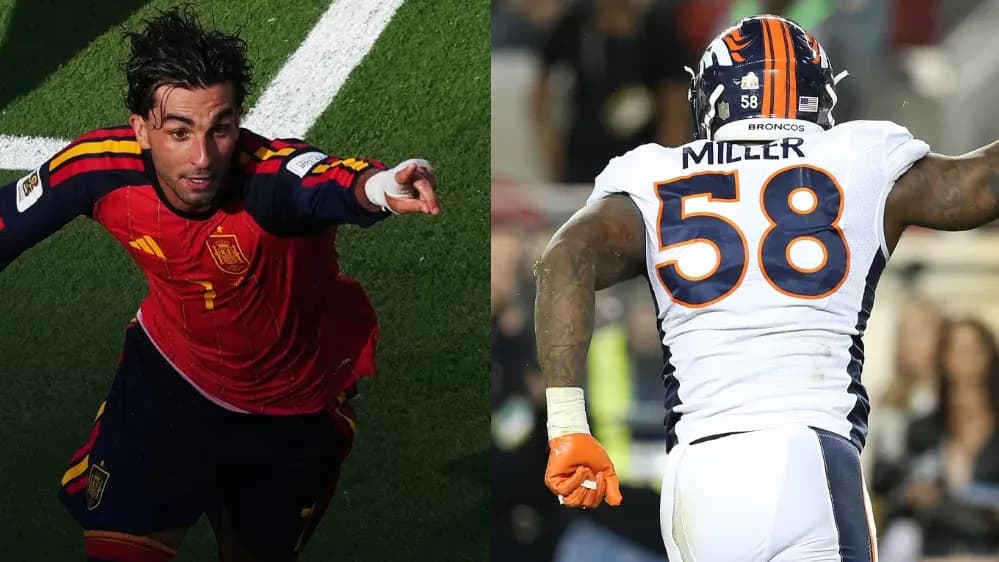
The Broncos narrowly edged the Patriots in the AFC Championship, with Von Miller pressuring Tom Brady relentlessly, ending with a critical interception. Similarly, the spotlight in the World Cup final shone brightly on Argentina’s star, but Spain’s defense was the backbone of their success.
In Super Bowl 50, MVP Cam Newton struggled against Denver’s defense, completing under 44% of his passes and fumbling multiple times. The lasting images highlight defensive stops rather than offensive heroics—much like Spain’s goal prevention overshadowed Ferran Torres’ lone goal.
Spain entered the final as slight favorites and dominated against the world's best player, much like the 2013 Seahawks did in Super Bowl 48. Seattle was a slight underdog facing a historic Broncos offense led by an all-time great Peyton Manning. Minutes into the game, it was clear who held the advantage.
Spain’s shutout win over an explosive Argentina attack, similar to Seattle’s dismantling of Denver’s offense, underscored how elite defense can stifle even the most potent offenses.
The 1985 Bears are often considered the gold standard for NFL defenses, dominating opponents and outscoring them 91-10 during their playoff run. Spain might not yet fit comfortably in this category, as they weren’t even favorites in the semifinal. Still, no other World Cup champion has conceded fewer than two goals while playing more matches.
Spain finished 7-0-1, outscoring opponents 13-1, and dismantled the top two goal scorers in World Cup history in the semifinals and final. Their defensive performance approaches the legendary status of the Bears, especially when considering the low-scoring nature of soccer compared to football.
Defense Defines the Champions
Spain’s achievement, seen through the prism of NFL defensive legends, offers a fresh perspective on how championships can be won by preventing goals as much as scoring them. Their collective discipline and resilience recall some of football’s most dominant defensive units, proving that sometimes shutting down opponents is the surest path to victory.