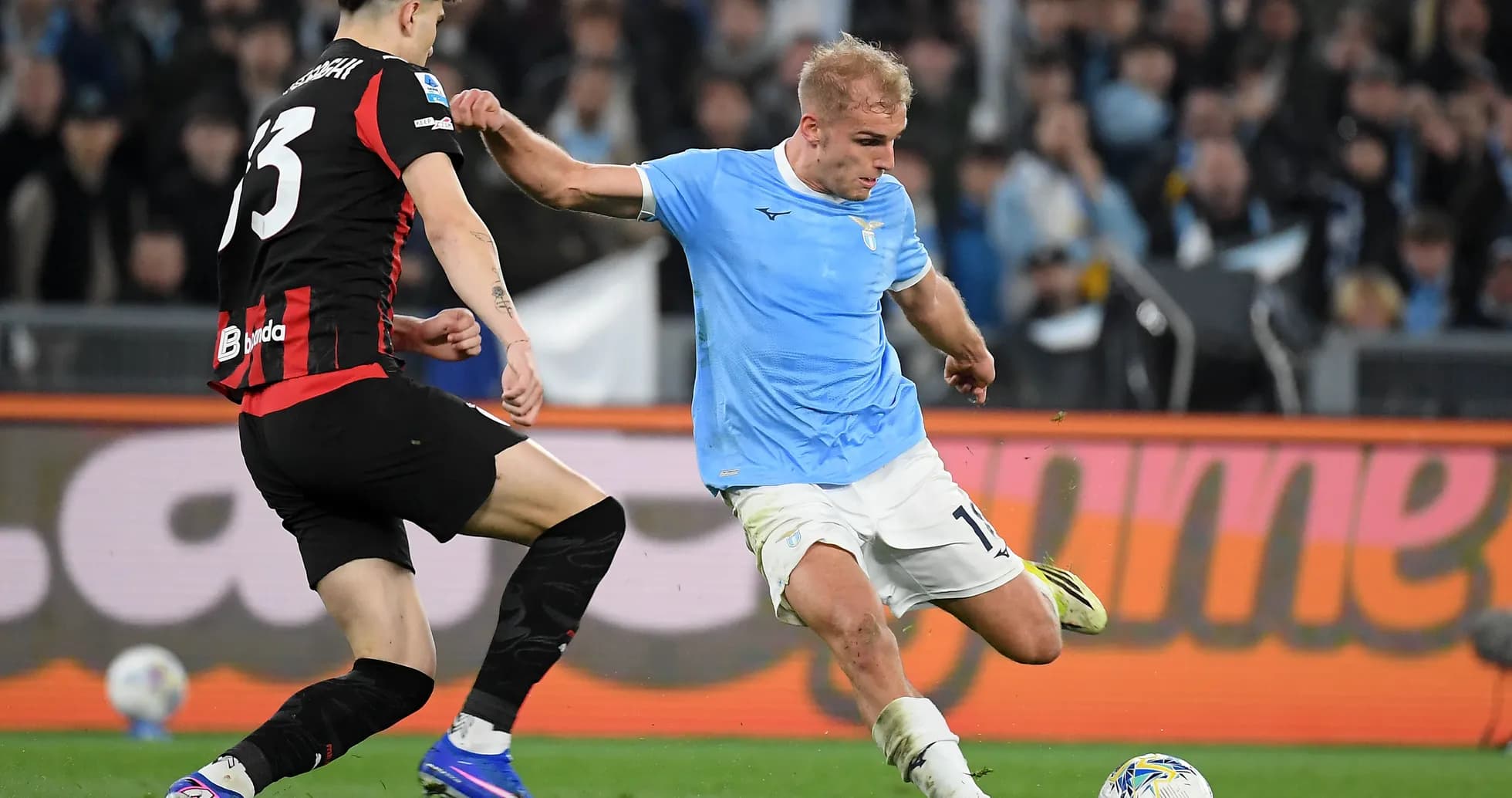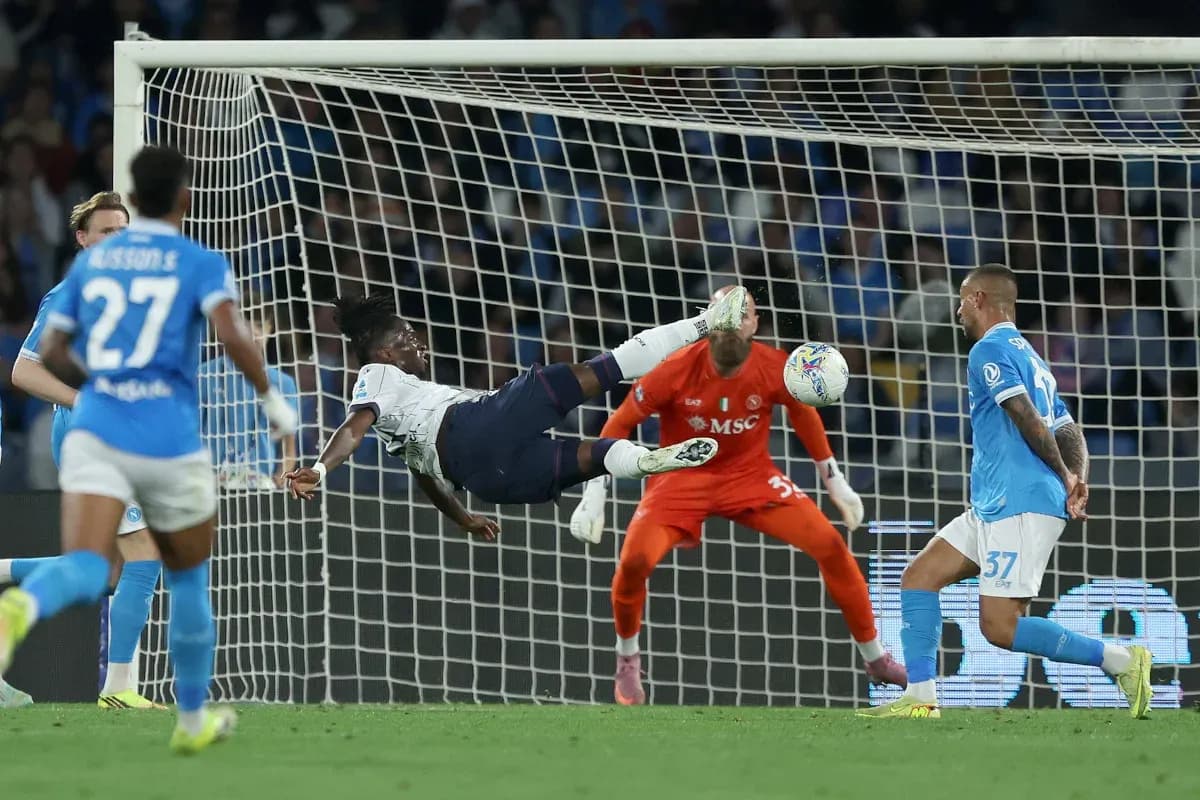
Sassuolo vs Juventus: A High-Scoring Showdown in Serie A
Under the Reggio Emilia floodlights, this was billed as a test of credibility for both projects. Sassuolo, under Alberto Aquilani, came into the night as one of Serie A’s early entertainers, while Luciano Spalletti’s reshaped Juventus were trying to prove that their new, more expansive identity could survive hostile territory. Ninety minutes later, the scoreboard at Mapei Stadium read 3–2 to Sassuolo, and the table told its own story: both sides sitting on 7 points from 4 matches, with Juventus eighth and Sassuolo ninth, separated only by goal difference.
Overall this campaign, Sassuolo’s numbers already hinted at chaos: 8 goals scored and 7 conceded in 4 matches, for a goal difference of +1. At home they have been perfect so far, 2 wins from 2, with 5 goals for and 3 against. Juventus, by contrast, arrived with a more controlled profile: overall 6 scored and 4 conceded, a goal difference of +2, and clean sheets in half of their league outings. On their travels, they had split their fortunes: 1 win and 1 defeat, 3 scored and 3 conceded. This was always likely to be a collision between volatility and structure.
Tactically, both coaches mirrored each other on paper with a 4-2-3-1, but the personalities within those shapes could not have been more different. Aquilani trusted a bold, youthful spine: Aro Muric behind a back four of Simone Cinquegrano, J. Idzes, F. Leysen and Josh Doig, with Nemanja Matic and Luca Lipani as the double pivot. Ahead of them, Domenico Berardi, Kristian Thorstvedt and Armand Laurienté floated behind lone forward Sebastiano Esposito.
Spalletti answered with his own 4-2-3-1: Guglielmo Vicario in goal, a back line of Pierre Kalulu, Bremer, Jhon Janer Lucumí and Zeki Çelik, shielded by Douglas Luiz and Teun Koopmeiners. The attacking band of three – Francisco Conceição, Nicolás González and Kian Alajbegovic – worked around Randal Kolo Muani as the central reference.
The absences on both sides shaped the tactical voids. Sassuolo were stripped of depth and variety: D. Boloca, F. Cande, I. Kone, Y. Paz, E. Pieragnolo, C. Volpato and S. Walukiewicz all missed out, many through muscle or knee issues. That removed some of Aquilani’s ability to rotate his midfield profiles or switch to a more conservative back line late on. It made the selection of Matic and Lipani non-negotiable; both had to cover huge ground to protect a relatively inexperienced central defence.
Juventus’ absentee list was even more star-studded: J. Boga, J. Cabal, Andrea Cambiaso, J. Ekhator, Manuel Locatelli, Weston McKennie, Arkadiusz Milik, Khéphren Thuram and Kenan Yildiz were all unavailable. That stripped Spalletti of his most natural regista in Locatelli, a powerful two-way midfielder in Thuram and McKennie, and alternative forward profiles in Milik and Yildiz. The result was a double pivot that leant more toward vertical passing than pure control, and a bench that was lighter on proven Serie A match-winners.
In this context, discipline and game management became even more critical. The season-long card maps underlined a potential fault line. Sassuolo’s yellow cards have clustered between 46–60 minutes, with 50.00% of their cautions arriving just after half-time, and a further 16.67% between 31–45 and 61–75. Juventus, meanwhile, spread their bookings but spike in the same 46–60 window (28.57%) and again between 76–90 (28.57%). This match followed the pattern: a tight first half, then a contest that frayed as legs tired and distances between lines grew.
The “Hunter vs Shield” duel was scattered across several players rather than a single talisman. For Sassuolo, the emerging figure of Vasilije Adžić loomed over the tactical narrative even from the bench. Heading into this game, Adžić had 2 goals and 1 assist in 4 appearances, with all 4 of his shots hitting the target and 10 key passes from midfield. His ability to arrive late in the box and thread vertical passes made him the natural game-breaker Aquilani could unleash if the starting trio of Berardi, Thorstvedt and Laurienté failed to crack Juventus’ block.
On the Juventus side, the numbers painted an intriguing picture. Edon Zhegrova, another impact option among the substitutes, had also scored 2 goals in just 64 minutes of league action, with 5 key passes and 3 successful dribbles. He was the chaos agent Spalletti could turn to if the starting front four stalled. Behind them, Koopmeiners’ season profile – 1 goal, 1 assist, 71 passes at 88% accuracy – underlined his role as the metronome and deep-lying creator, the one tasked with threading passes through Sassuolo’s aggressive mid-block.
The “Shield” in this story, however, was under strain. Lucumí, who already led Juventus for disciplinary impact with 2 yellow cards in 3 appearances, had to walk a fine line. His 165 completed passes at 92% accuracy and 12 duels contested showed a defender comfortable in possession and willing to engage physically, but against the movement of Esposito and the half-space drifting of Berardi and Laurienté, any mistimed intervention risked tilting the balance.
In midfield, the “Engine Room” confrontation between Matic and Lipani on one side and Douglas Luiz with Koopmeiners on the other decided long stretches of the match. Matic’s experience allowed Sassuolo to break Juventus’ first line of pressure and release their three attacking midfielders quickly. Lipani’s energy complemented that, covering for the adventurous Doig and Cinquegrano when they stepped into higher zones. For Juventus, Douglas Luiz tried to dictate tempo and protect transitions, but without Locatelli or Thuram, he often had to choose between stepping up to press or holding position in front of the back four.
Statistically, the broader season context suggested a knife-edge contest. Sassuolo’s overall scoring rate of 2.0 goals per match, combined with 1.8 conceded, pointed to a team that would happily trade blows. Juventus’ overall averages of 1.5 scored and 1.0 conceded hinted at a side more comfortable in controlled, lower-scoring affairs. On their travels, Juventus had allowed 1.5 goals per match; Sassuolo at home had scored 2.5 per match. That intersection – Sassuolo’s attacking peak in front of their own fans against Juventus’ slightly looser away defending – foreshadowed exactly the kind of five-goal thriller that unfolded.
Neither side had taken nor missed a penalty in the league heading into this fixture, so the margins were always likely to come from open play and set pieces rather than from the spot. With no red cards shown across the season for either team, this was less about implosion and more about who could better manage momentum swings.
Following this result, the tactical verdict is nuanced. Sassuolo’s high-risk, high-reward structure was vindicated again at Mapei Stadium; they remain perfect at home and continue to score freely, but the concession of 2 more goals underlines that their defensive platform is still fragile. Juventus, despite the defeat, showed enough in possession and chance creation to suggest that once their injured core returns, Spalletti’s 4-2-3-1 can become a more balanced machine.
From a predictive standpoint, the underlying numbers and the way this match played out suggest that Sassuolo will continue to be involved in matches where their attacking verve compensates for defensive leaks, especially at home. Juventus, with a positive goal difference overall and two clean sheets already, still project as a side whose defensive solidity will, over a longer run, drag them upward in the table. But on this night in Reggio Emilia, the squad with more rhythm, more risk, and a sharper edge in the final third deservedly edged the contest.