Milan Dominates Lecce 3-0 Under Amorim's Tactical Vision
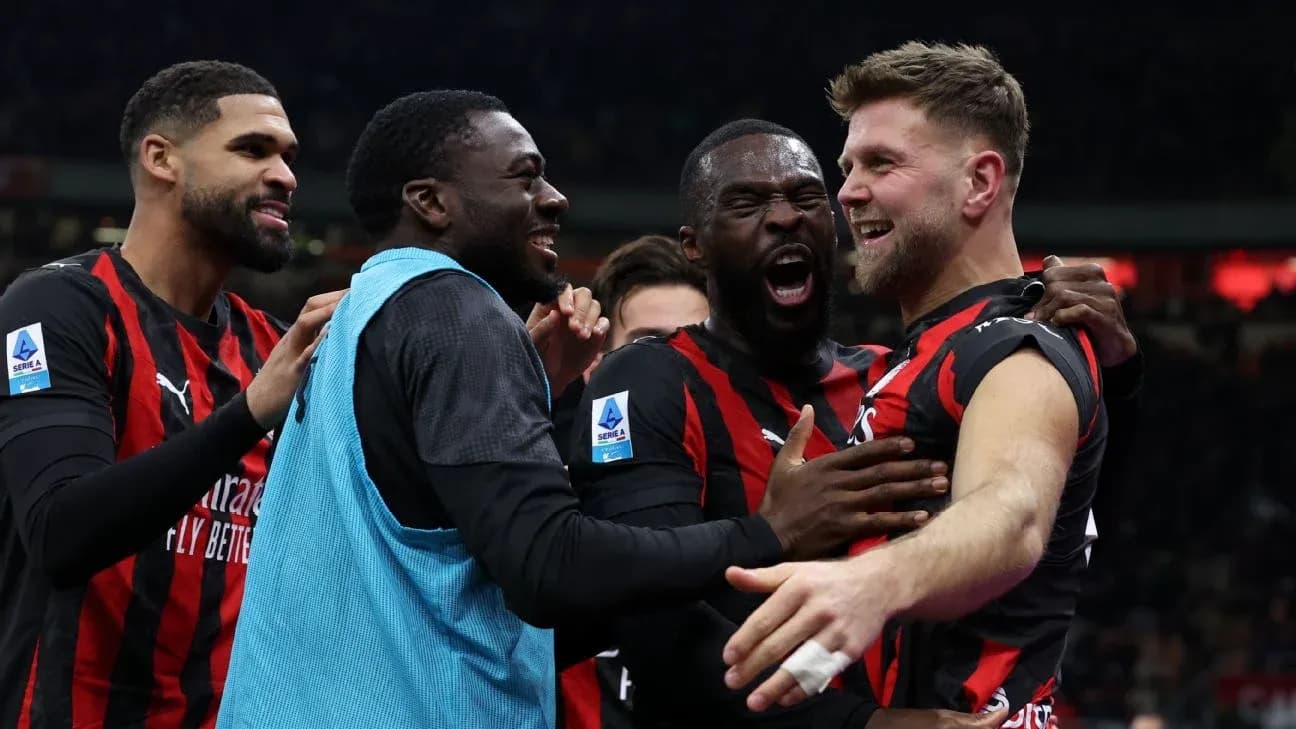
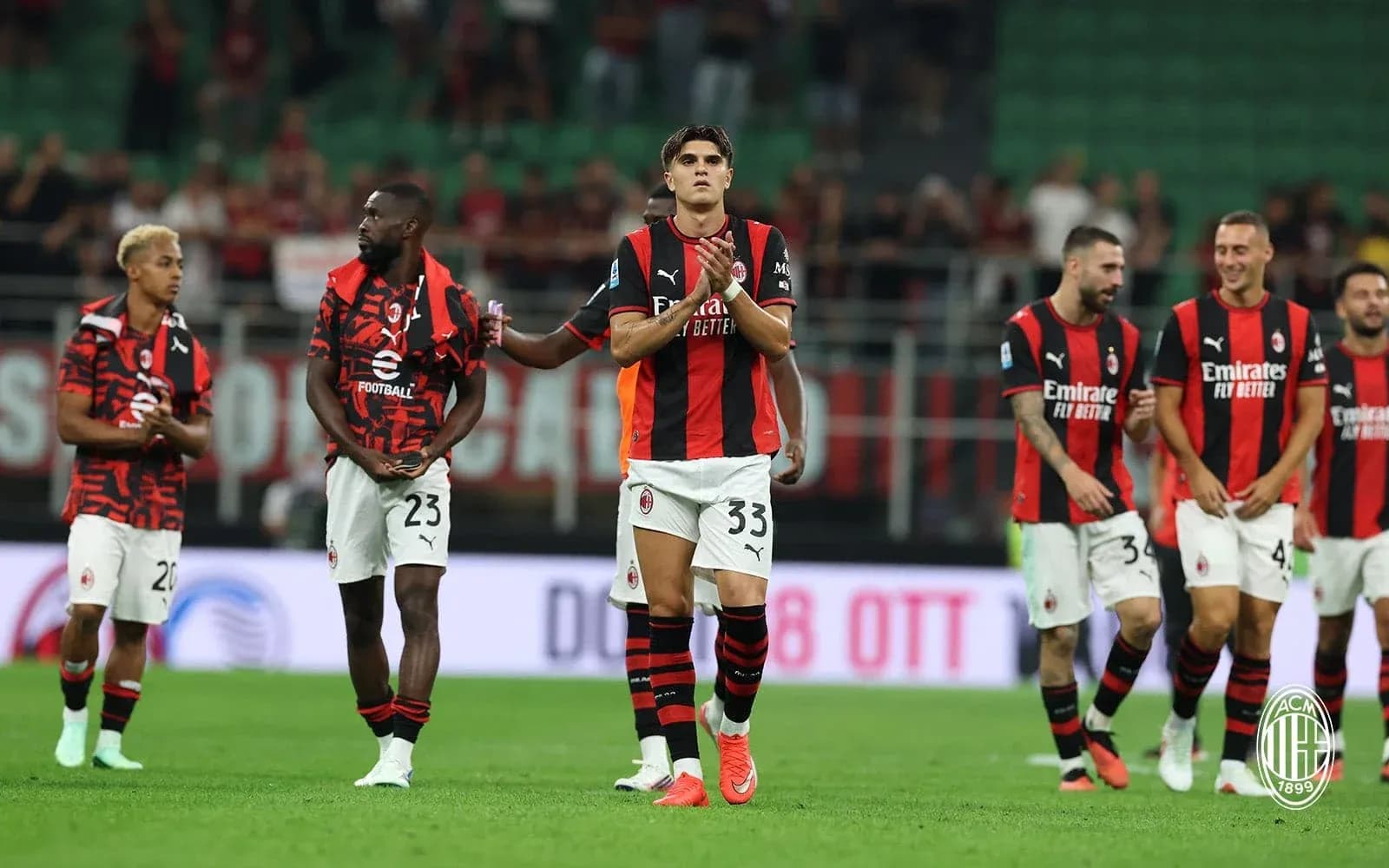
Under the San Siro lights, this was Ruben Amorim’s Milan in full definition: a 3-4-2-1 that has been hinted at in the numbers all season, finally expressed in a 3–0 dismantling of Lecce in regular Serie A play.
Heading into this game, Milan were already shaping into one of the league’s most balanced sides. Overall this campaign they had taken 11 points from 5 matches, sitting 5th, unbeaten with 3 wins and 2 draws. The goal difference told the story: 10 goals for and 4 against overall, a positive swing of +6. At home, they had been immaculate: 2 wins from 2, 5 goals scored and none conceded. Lecce arrived as a far more volatile proposition: 12th with 6 points from 5, 2 wins and 3 defeats overall, their goal difference a worrying -5 from 5 goals scored and 10 conceded in total. Away, Lecce’s profile was brittle – 1 win and 2 losses, only 2 goals scored and 4 conceded on their travels.
Amorim’s selection underlined Milan’s new identity. Mike Maignan anchored a back three of M. Gila, K. De Winter and S. Pavlovic, the latter already one of Serie A’s most combative defenders this season. The wing lanes were entrusted to S. Chukwueze and P. Estupinan as nominal midfielders, but their starting grid told a different story: high, wide, and primed to pin Lecce’s full-backs. Inside, the double pivot of L. Modric and A. Rabiot offered a blend of tempo control and vertical thrust. Ahead of them, C. Pulisic and A. Saelemaekers floated between the lines, feeding G. Ramos as the lone striker.
Eusebio Di Francesco answered with a 4-3-3 that has become Lecce’s most used shape this season. W. Falcone stood behind a back four of D. Veiga, K. Gaspar, J. Siebert and A. Gallo. In midfield, S. Pierotti, I. Ilic and Y. Maleh were tasked with threading the needle between shielding and supplying. Up front, L. Coulibaly, N. Stulic and J. Monteiro formed a mobile but physically outgunned front line.
The absences for Lecce deepened the sense of imbalance. M. Berisha, O. Gandelman, W. Geubbels and Tiago Gabriel were all unavailable, officially listed as missing this fixture due to fitness issues or injury. In a squad already stretched by inconsistency, it forced Di Francesco to lean heavily on a core that has struggled to manage game states. Milan, by contrast, entered without any listed absentees, able to load their bench with game-changers such as Diego Moreira, Y. Musah and R. Loftus-Cheek.
Discipline and card trends framed another quiet but important subplot. Milan’s season-long yellow-card distribution has been remarkably even: 25.00% of their yellows between 46–60 minutes, another 25.00% between 61–75, 25.00% from 76–90 and 25.00% in added time up to 105 minutes. It paints a picture of a side that maintains intensity without losing control. Lecce, by contrast, scatter their cautions across the match, with spikes of 20.00% in the 31–45, 46–60, 76–90 and 91–105 minute windows. Danilo Veiga embodies that edge: across the season he has collected 3 yellow cards, committing 8 fouls and engaging in 57 duels, and he also appears among the league’s top red-card profiles. Against Milan’s wide threats, that volatility was always going to be a risk.
The “Hunter vs Shield” duel was stark. For Milan, the goals have been widely shared, but the league data highlights two key figures: Diego Moreira with 3 goals in total this Serie A campaign, and A. Rabiot with 2 goals and 2 assists overall. Behind them, Milan’s attack is underpinned by a ruthlessly efficient structure: overall they average 2.0 goals scored per match, with 2.5 at home, while conceding only 0.8 goals per game in total and 0.0 at home. Lecce’s shield, by contrast, has been porous: they concede 2.0 goals per match overall, including 1.3 on their travels, with their heaviest away defeat a 3–0 loss. That exact away scoreline would be repeated here.
On the other side of the duel, Lecce’s own “hunter” is L. Coulibaly. Listed as a forward in this fixture but functioning as a hybrid midfielder-forward, he has 2 goals and 1 assist this season, from 5 shots and 50 duels overall. His direct opponent zones were patrolled by Pavlovic and De Winter – Pavlovic alone has won 34 of 47 duels this campaign and blocked 2 shots, while contributing 1 assist and 4 shots of his own. In the air and on the ground, Lecce’s most dangerous runner was walking into one of the league’s most secure defensive corridors.
The “Engine Room” confrontation in midfield was perhaps the game’s purest tactical theatre. Milan’s Rabiot and Modric against Lecce’s Ilic and Maleh offered a clear stylistic clash. Rabiot has already amassed 209 passes with 88% accuracy, 4 key passes and 2 assists, while engaging in 29 duels and making 3 tackles. Modric, though not in the statistical spotlight, is the metronome who allows Rabiot to surge. For Lecce, Ilic has quietly been one of their cleaner technicians: 141 passes at 89% accuracy, 3 key passes and 2 assists overall. But with Lecce’s overall structure conceding 10 goals in total and losing 3 of 5 matches, his control has often been overwhelmed by defensive chaos around him.
Amorim’s 3-4-2-1, which has been used in all 5 of Milan’s league fixtures, is now clearly the team’s tactical spine. It maximises the creative lanes of Chukwueze and Pulisic – Chukwueze alone has 2 assists, 10 key passes and 14 dribble attempts with 8 successful, plus 7 tackles and 4 interceptions this season. That two-way output was central to pinning back Veiga and Gallo, depriving Lecce’s front three of early service.
From a statistical prognosis standpoint, the 3–0 full-time scoreline at San Siro felt like the logical extension of the pre-match metrics. Milan’s overall attacking average of 2.0 goals per game met a Lecce defence conceding 2.0 per match, and the hosts’ perfect home defensive record – 0 goals conceded at home heading into this game – was reinforced across another 90 minutes. Lecce’s inability to consistently score away, averaging only 0.7 goals on their travels, was laid bare against a back three that has yet to taste defeat.
No penalties were awarded, and both sides maintain a season-long record of zero penalties scored and zero missed. Instead, this was a victory built on structure, squad depth and a clear tactical identity. Milan’s squad looks deep, coherent and statistically aligned with a top-four push; Lecce’s, hampered by absentees and defensive frailty, will need both tactical recalibration and cleaner discipline if they are to climb from mid-table turbulence into safer waters.