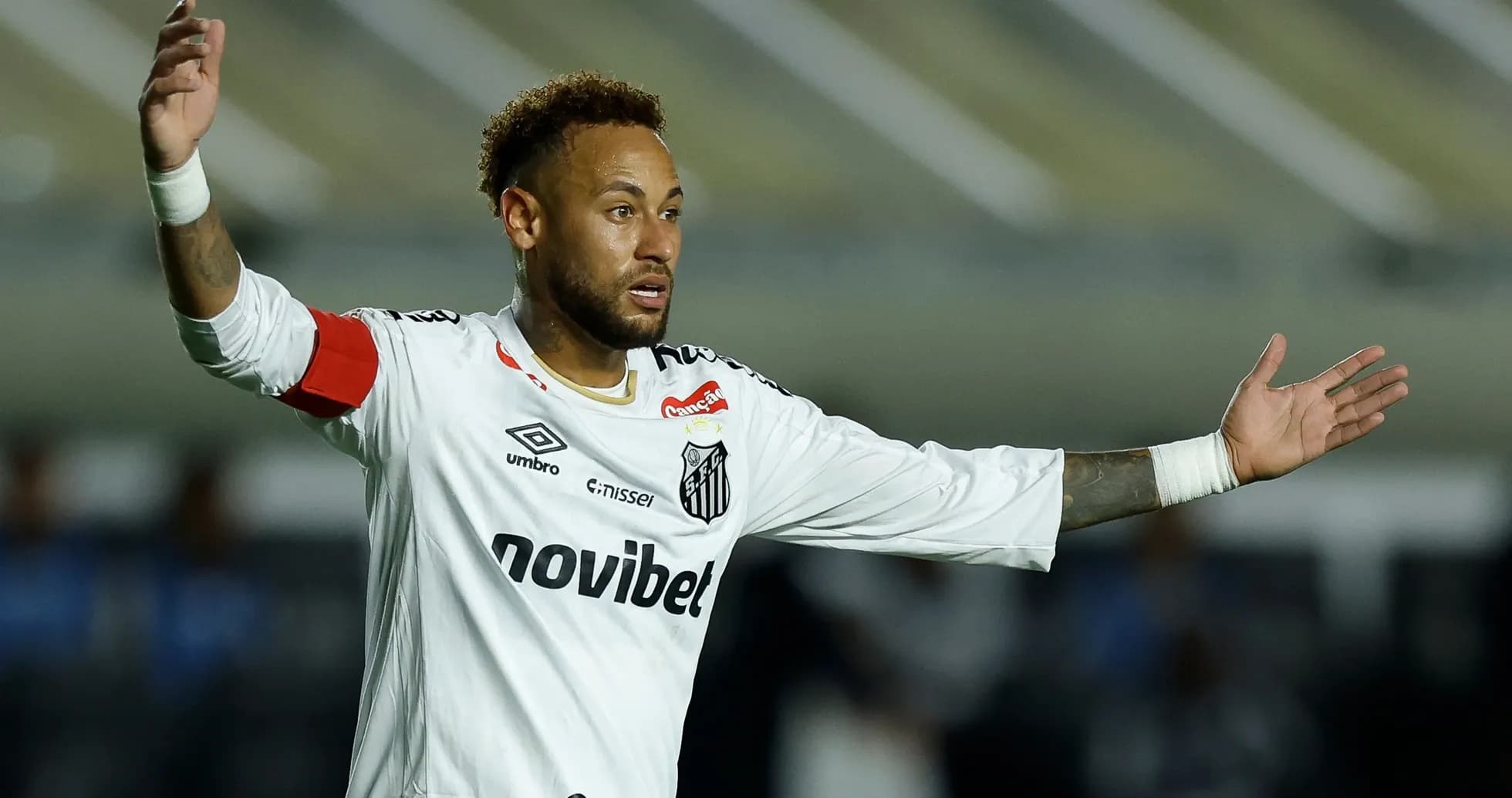
Santos Faces Crisis: Unpaid Wages and Legal Threats
Santos, a club built on legends and Libertadores nights, is staring at a crisis that has nothing to do with tactics or form. The numbers don’t add up, and now the problems are spilling out of the boardroom and straight into the dressing room.
According to UOL, Santos owe three months of image rights to several of their biggest names, with the third instalment expiring on Monday. Under Brazilian law, those image rights count as part of a player’s salary. Miss them, and you’re not just late — you’re in breach.
It doesn’t stop there. April’s standard wages have not been paid to a section of the squad. Mandatory FGTS severance fund contributions are reportedly missing. Performance bonuses are delayed. Piece by piece, the financial scaffolding that holds a squad together is being kicked away.
Inside Vila Belmiro, the mood has turned sour. What began as quiet frustration has hardened into open tension. This isn’t just about late payments; it’s about trust.
Legal Timebomb
The stakes are enormous. With repeated delays and missed obligations, Santos are now exposed to what Brazilian labor law calls “indirect rescission” of contracts. In plain terms, if the club does not settle its debts, players can go to the Labor Courts, argue that the club has broken the deal, and walk away as free agents.
That possibility hangs over the squad like a storm cloud. If the situation drags on, the club risks not only losing key figures, but losing them for nothing.
Superstars such as Neymar and Memphis Depay, if unpaid as reported, would have the legal right to tear up their contracts and leave. No transfer fee, no leverage, no second chances. So far, no player has officially filed a lawsuit. But the threat of a coordinated exit is real, and everyone inside the club knows it.
Teixeira Under Fire
President Marcelo Teixeira has not tried to hide the scale of the problem.
“We are still facing a very serious financial crisis, and everyone knows it,” he said. “We have two image rights payments that are overdue. They understand. It's not normal, but I can guarantee that it doesn't affect the athletes' performance. Quite the opposite. They trust the management.”
His words paint a calmer picture than the reality behind the scenes. The players may understand the crisis. That doesn’t mean they accept it.
The breaking point came after a recent victory over Red Bull Bragantino. On the pitch, the result suggested a team building momentum. In the dressing room, it was a different story.
Teixeira walked in to congratulate the squad. Instead, he was confronted. Senior players demanded answers and, more importantly, deadlines. They pushed back against what they see as a lack of transparency and clarity over when they will receive money that is contractually theirs.
The atmosphere, already strained, tightened further. This was not a routine post-match chat. It was a reckoning.
Cuca Caught in the Middle
On the football side, manager Cuca and his staff are trying to keep the focus on the next match. It’s an increasingly difficult task.
Cuca himself is among those waiting for overdue payments, grouped with the highest earners in the squad who have not been fully paid. Staff on lower wages, by contrast, have seen their salaries settled in full. The decision to prioritise the lowest-paid is understandable on a human level, but it deepens the sense of imbalance among the senior figures carrying the team.
The timing could hardly be worse. A crucial Copa do Brasil clash against Coritiba looms on Wednesday. It should be a week dominated by tactical preparation and video sessions. Instead, the pre-match narrative is about bank transfers, legal options and broken promises.
Teixeira, under pressure, responded to the dressing-room confrontation with a verbal guarantee. He promised to pay the April salaries and at least one month of the overdue image rights “as soon as possible.”
For now, that is all it is: a promise. No dates, no written agreement, no concrete schedule. Just words, in a room full of players who have already waited too long.
A Club at a Crossroads
Santos have survived crises before. They have sold stars, rebuilt squads, and ridden out political storms. This one cuts deeper. It challenges the basic contract between club and player: work, and you get paid.
If the board cannot turn those verbal guarantees into hard reality, the consequences will be brutal. Not just for this season’s ambitions, not just for the Copa do Brasil, but for the very structure of the squad.
Right now, the club’s future doesn’t hinge on a late goal or a refereeing decision. It rests on whether Santos can find the money — and the credibility — to stop their own players from heading to court and out the door.