San Diego Wave Defeats Angel City W in NWSL Clash
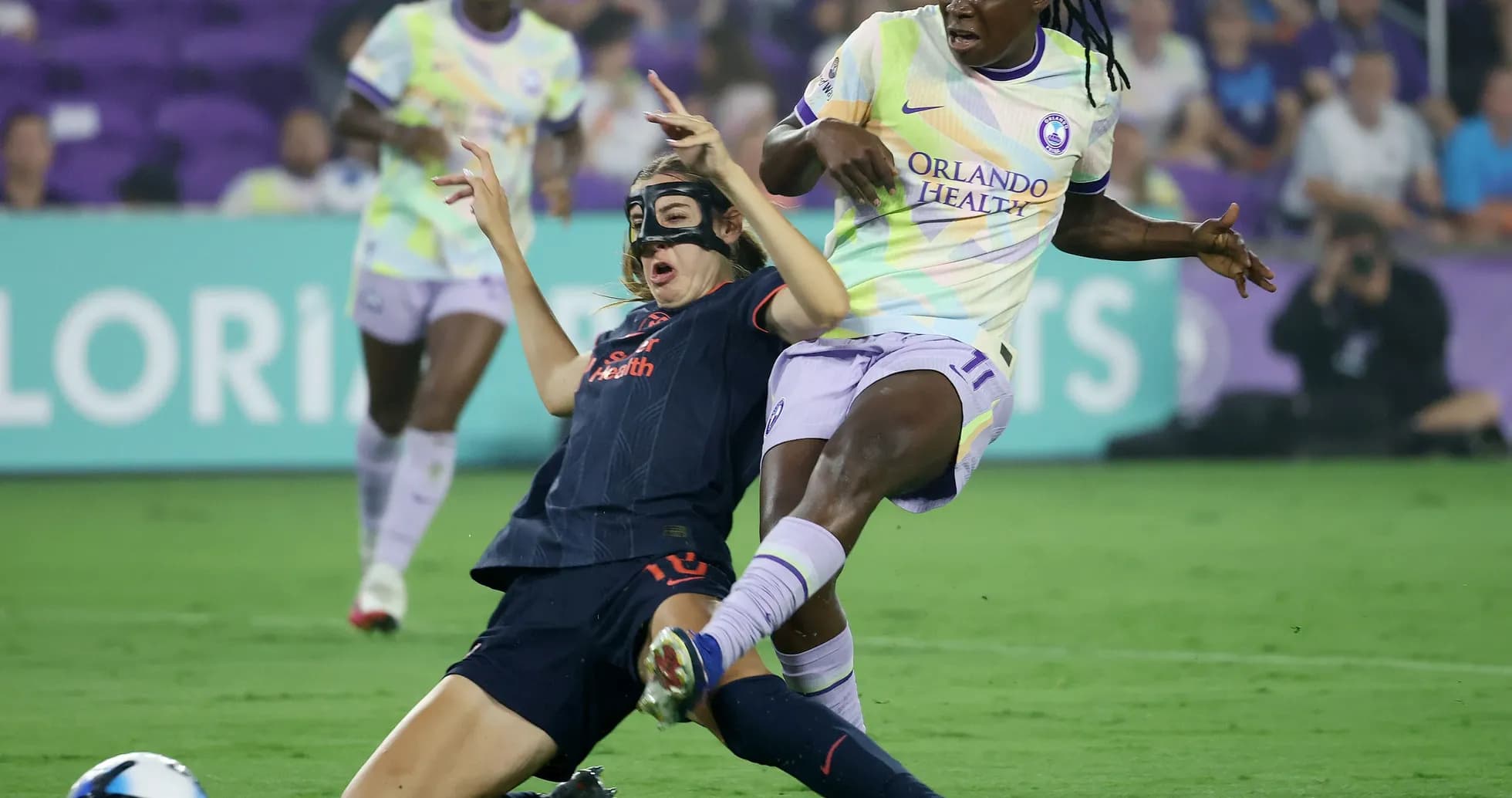
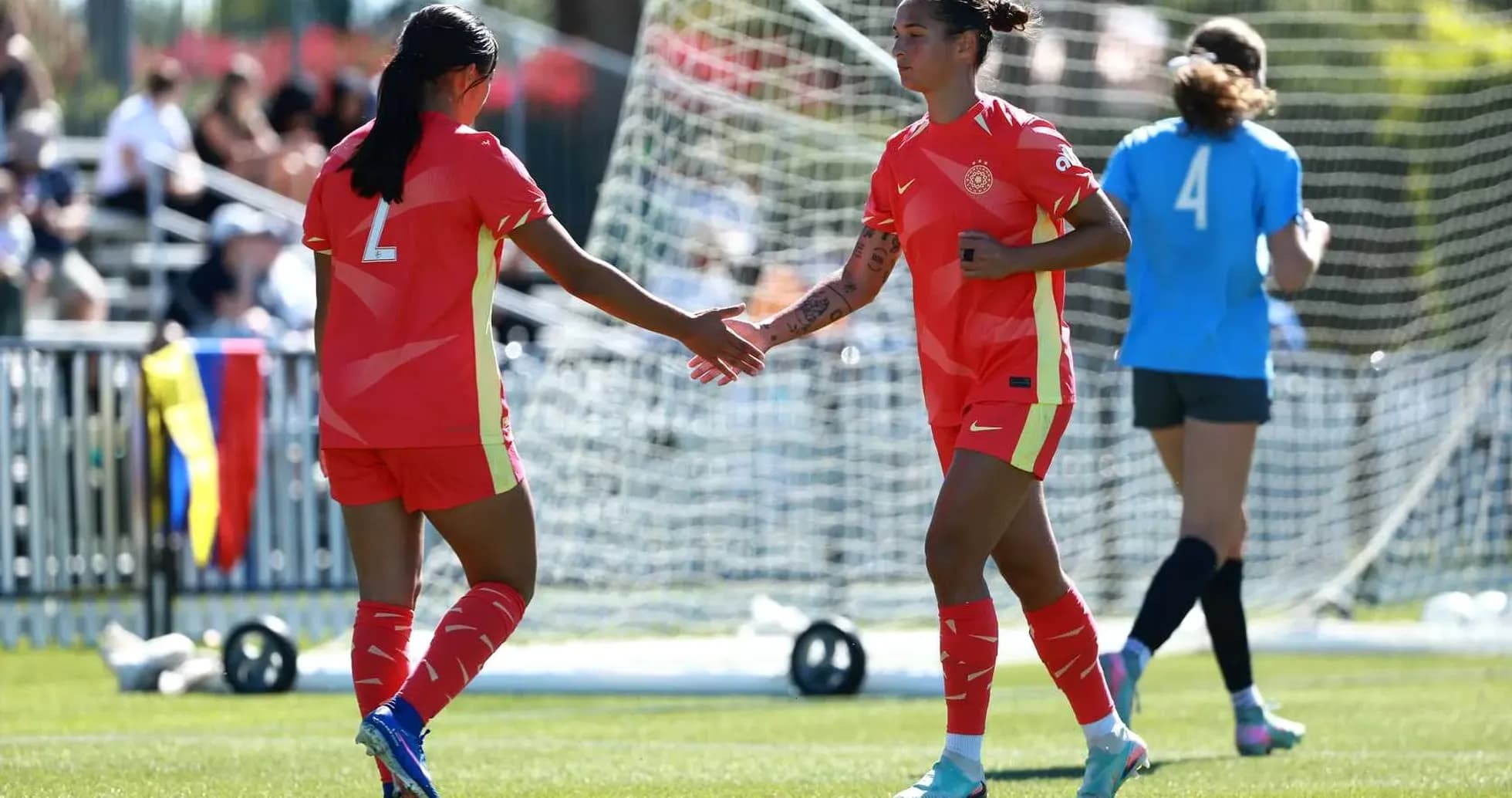
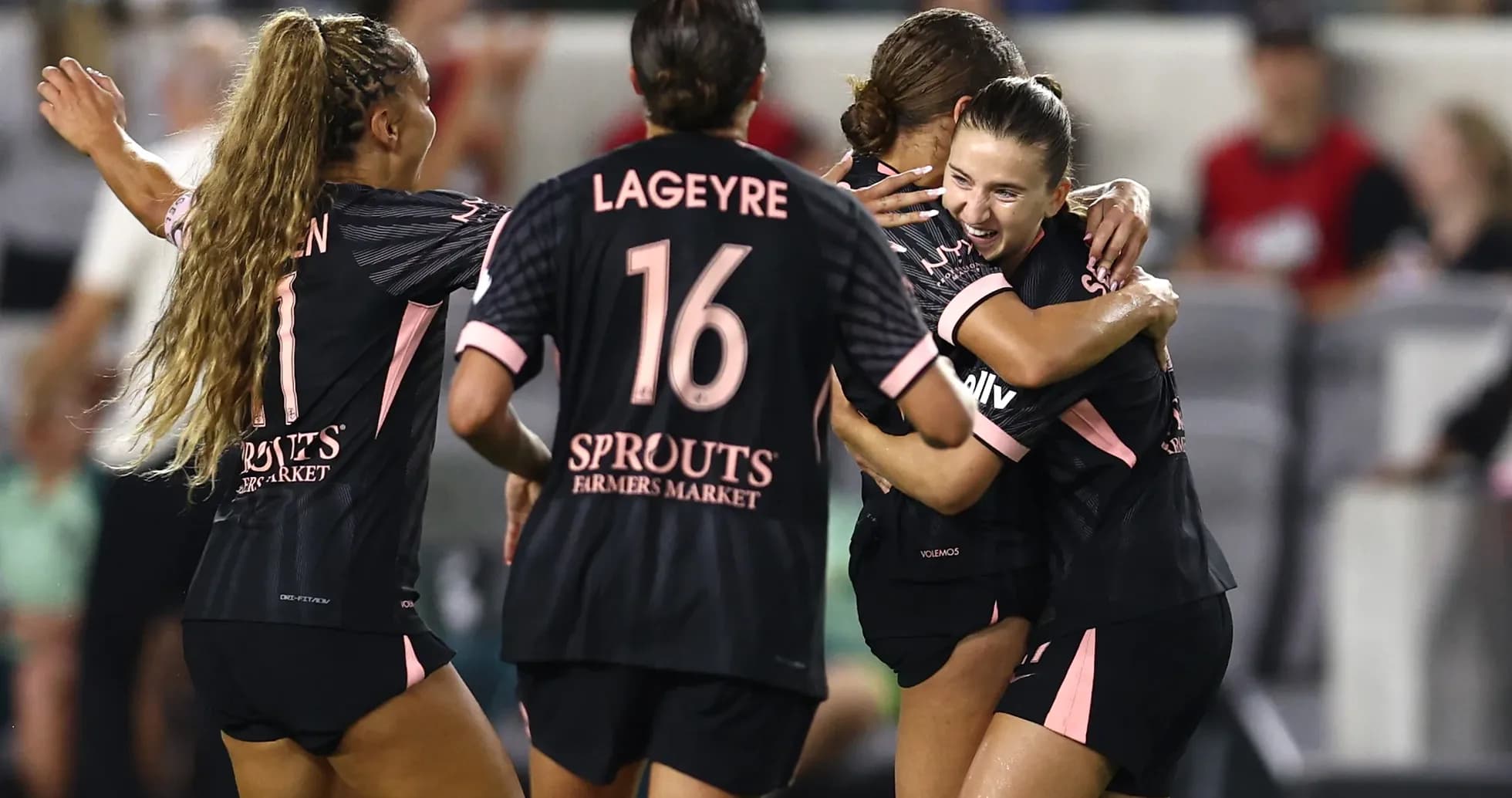
Under the Los Angeles lights at BMO Stadium, this Group Stage clash in the 2026 NWSL Women season finished with a sharp reminder of the league’s hierarchy. Angel City W, 11th in the table heading into this game with 9 points and a goal difference of +3 (12 scored, 9 conceded overall), fell 1–2 at home to a San Diego Wave W side that arrived in third place on 18 points, carrying the swagger of six wins from nine.
Angel City’s seasonal DNA is clear: front‑foot, high‑variance football. At home they had averaged 1.6 goals for and 1.2 against, winning 2 and losing 3 of 5. San Diego, by contrast, travel with a ruthless edge: 4 away wins from 5, scoring 8 and conceding 6, an away average of 1.6 goals for and 1.2 against. The script was almost pre‑written – Angel City’s volatility against one of the league’s most efficient road machines – and over 90 minutes it played out with clinical inevitability.
I. The Big Picture – Structures and Intent
Angel City lined up in a 4‑2‑3‑1 under Alexander Straus, a shape that has been their most-used structure this season. A. Anderson in goal sat behind a back four of G. Thompson, E. Sams, S. Gorden and E. Shores. In front, the double pivot of Ary Borges and N. Martin was tasked with both screening and launching transitions into a creative line of K. Fuller, J. Endo and T. Suarez, all servicing the direct, explosive threat of S. Jonsdottir as the lone forward.
San Diego responded with a familiar 4‑3‑3 under Jonas Eidevall, a system that has underpinned their surge up the table. D. Haracic anchored a back line of A. D. Van Zanten, K. Wesley, K. McNabb and the combative P. Morroni. Ahead, a midfield trio of K. Ascanio, K. Dali and G. Corley provided control and vertical passing lanes into a dynamic front three: Gabi Portilho wide, Ludmila as a powerful central runner, and Dudinha – one of the league’s standout attackers – starting from the left but constantly drifting into half‑spaces.
From the outset, the contrast was evident: Angel City wanted to compress the game vertically, using Jonsdottir’s pace and physicality to attack early balls in behind, while San Diego sought to stretch the pitch laterally, trusting their 4‑3‑3 to create overloads around the Angel City double pivot.
II. Tactical Voids – Discipline and the Edges of Control
On paper, Angel City’s disciplinary profile this season hinted at volatility. Their yellow cards are spread relatively evenly across the match, but with a notable spike in added time: 28.57% of their yellows have come between 91–105 minutes, and they have already seen one red card in the 46–60’ window via Maiara Niehues. Even though Niehues was not involved here, that red shapes Straus’s risk calculus: he cannot afford another implosion around the hour mark, which likely informed the more cautious role given to Ary Borges and N. Martin in the first phase of build‑up.
San Diego, by contrast, are remarkably clean early, with no yellow cards recorded before 46’. Their disciplinary danger zone is the second half: 40.00% of their yellows arrive between 46–60’, then 20.00% each from 61–75’, 76–90’ and 91–105’. That pattern suits a side comfortable in chaos once they’ve already imposed their game – they can afford to foul to break rhythm when protecting a lead.
Within the match, this difference in emotional control mattered. Angel City, already a side with only 1 clean sheet in total this campaign, had to walk a tightrope between aggression and overcommitment. San Diego, with 2 clean sheets overall and a defensive record of just 9 goals conceded in 9 matches, were structurally better placed to absorb pressure and foul intelligently when transitions threatened.
III. Key Matchups – Hunter vs Shield, Engine Room vs Enforcer
The headline duel was the “Hunter vs Shield” battle between S. Jonsdottir and San Diego’s defensive unit. Jonsdottir entered this fixture as one of the league’s form attackers: 3 goals and 2 assists in 7 appearances, 11 shots with 6 on target, 15 key passes and a fierce duel profile (80 duels, 40 won). She thrives in open grass, attacking channels and second balls.
San Diego’s answer was collective rather than individual. K. McNabb and K. Wesley focused on denying Jonsdottir clean runs into the inside‑left channel, while Morroni – who has already collected 3 yellow cards this season and tops the league’s disciplinary charts – walked a fine line between intensity and risk. Her 23 tackles and 2 blocked shots this season underline how front‑foot she is; here, that aggression was crucial in pinning back T. Suarez and limiting Angel City’s ability to create 2‑v‑1s down the right.
In the “Engine Room” battle, Angel City’s double pivot of Ary Borges and N. Martin faced the technical and tactical intelligence of K. Dali and G. Corley. Borges’ remit was to break lines quickly into Fuller and Endo; Martin’s, to anchor transitions. But Dali’s capacity to receive between lines and Corley’s work off the ball continually dragged Angel City’s midfield out of shape, opening corridors for Ludmila’s diagonal runs and Dudinha’s inward drifts.
Dudinha, already on 3 goals and 4 assists with 15 shots and 13 key passes in the league, was the game’s natural fulcrum. Her duel numbers (75 total, 37 won) and 31 dribble attempts with 17 successes paint a picture of a winger who can both carry and combine. Every time Angel City’s back four stepped up to squeeze space, Dudinha threatened to spin into the gap behind, forcing Gorden and Sams into conservative positioning and limiting Angel City’s ability to press high as a unit.
On the Angel City side, K. Fuller’s season profile – 1 goal, 2 assists, 7 shots, 7 key passes – made her the natural connector between the double pivot and Jonsdottir. But against San Diego’s compact 4‑3‑3 mid‑block, Fuller was often receiving with her back to goal, funneled inside where Ascanio and Dali could crowd her out. That blunted Angel City’s central creativity and pushed more responsibility onto wide areas, where Morroni and A. D. Van Zanten held their ground.
IV. Statistical Prognosis – Why San Diego’s Edge Told
Heading into this game, the numbers leaned towards San Diego. Overall, they had scored 13 and conceded 9, an all‑matches average of 1.4 goals for and 1.0 against. On their travels, they were even more incisive: 1.6 goals for and 1.2 against away from home, with 4 wins from 5. Angel City, by contrast, were more explosive but less stable: 1.7 goals for and 1.3 against overall, but with 4 defeats in 7 and only 1 clean sheet.
In xG terms – even without the raw values – the pattern is clear. San Diego’s ability to generate consistent shot volume through Dudinha, Gabi Portilho and Ludmila, layered on top of a midfield that protects central zones well, naturally produces higher‑quality chances over 90 minutes. Angel City’s model is more transition‑dependent; when Jonsdottir is contained and the second line (Fuller, Endo, Suarez) cannot receive facing forward, their shot quality dips dramatically.
The 2–1 final scoreline reflects that structural edge. Angel City’s home attacking averages suggested they would find a goal; San Diego’s away scoring profile suggested they would find more. The tactical story – San Diego’s control of the half‑spaces, their superior midfield balance, and their disciplined second‑half game management – simply brought the underlying numbers to life.
Following this result, Angel City are left knowing their attacking talent is real but fragile without greater defensive solidity and emotional control. San Diego Wave, meanwhile, walk away from BMO Stadium looking every inch a play‑off contender: efficient, composed, and built on a 4‑3‑3 that keeps delivering, especially on their travels.