Raphinha Aims for Brazil's Sixth World Cup Title
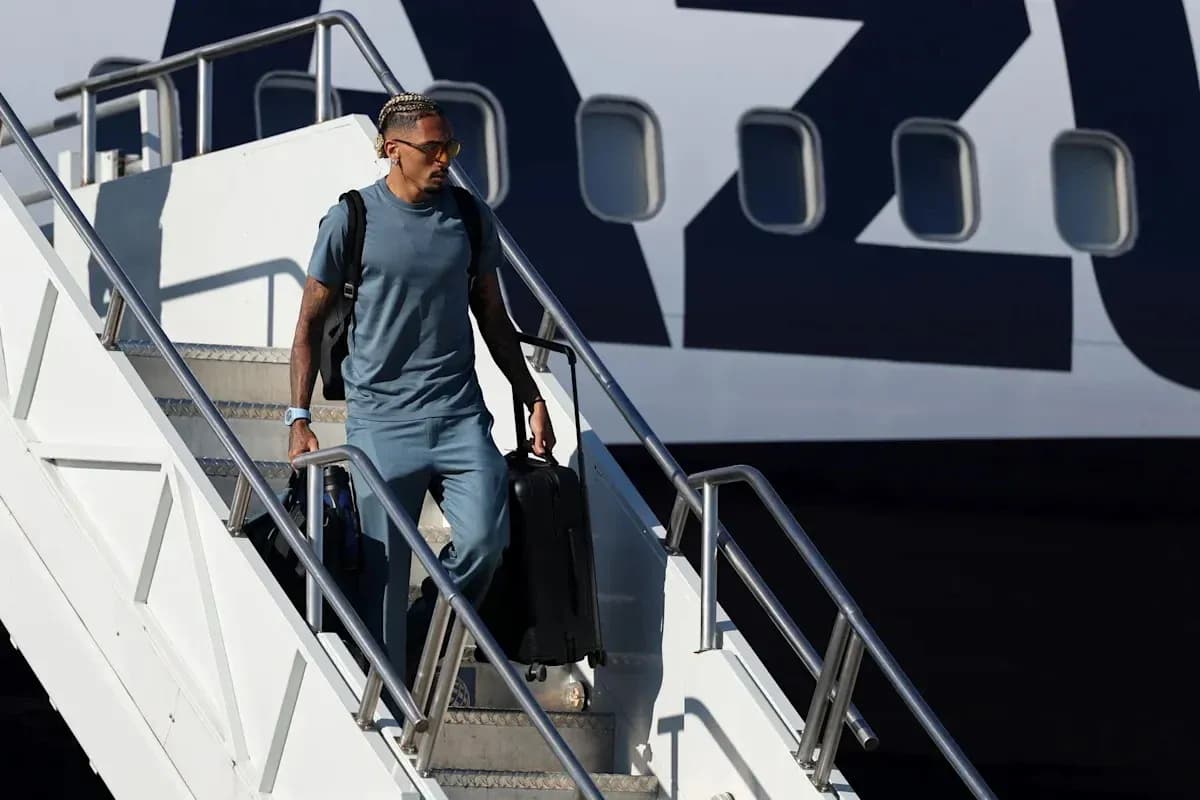
Raphinha arrives at this World Cup cycle with the scars of a difficult club season still fresh, but his gaze is fixed firmly on a far bigger stage. The Barcelona winger, 29 now and entering what should be his prime, has parked the frustration of injuries and inconsistency in Spain to throw himself into Brazil’s push for a long-awaited sixth world title in 2026.
When he did play for Barça, he remained one of their sharpest attacking outlets, a constant source of width, aggression and end product. The problem was simply being available often enough. That stop-start rhythm never quite allowed him to dominate La Liga in the way his talent suggests he could.
For Brazil, the equation is different. The slate is clean. The target is clear.
Backing Vinicius – and himself
Inside the Seleção camp, Raphinha cuts a confident figure. He looks around the dressing room and sees match-winners everywhere, players capable of tilting a World Cup night with a single action. At the top of that list, in his eyes, is Vinicius Jr.
“Vini is young, but given his experience and achievements, he can decide a World Cup match and bring home the sixth title,” Raphinha says, a line that underlines just how much responsibility he believes the Real Madrid star can shoulder on the sport’s biggest stage.
Then he adds the key detail.
“I include myself in that group.”
That is the competitive edge Brazil need. It is also a window into Raphinha’s mindset: he is not in this squad to make up the numbers or simply stretch the pitch for others. He sees himself as one of the players who can decide games, not just decorate them.
Leadership, defence and the “treacherous” tournament
Raphinha talks about this Brazil side with the conviction of someone who has lived the fine margins of elite football. He knows a World Cup does not forgive lapses.
“We’ve arrived very well prepared. We have to work hard on our defence. If we defend well, our chances of winning are very high.”
For a winger, it is a striking emphasis. Brazil have long been associated with attacking flair, but the Barcelona forward keeps circling back to the other side of the ball. He understands that in a knockout tournament, one misstep at the back can erase ninety minutes of dominance.
“This tournament is short and treacherous. There’s little time to get organised. We’re trying to adapt and be as ready as possible so we don’t make mistakes.”
The words are blunt, almost wary. Short. Treacherous. There is no romanticism there, just a cold reading of what the World Cup really is: a sprint disguised as a marathon, where a single bad day can send a golden generation home.
Within that context, Raphinha stresses the need for leadership. The experienced players, he says, must guide the younger ones through the pressure and the noise, help them manage the moments when panic lurks just behind the roar of the crowd. Every decision, every defensive rotation, every run off the ball matters.
Ancelotti’s trust and unfinished business
Raphinha enters this cycle with the sense that his story at the top level is still incomplete. The injuries at Barcelona have not dulled his belief that he can rise higher; if anything, they have sharpened it.
Despite those setbacks, he remains one of Brazil’s most trusted attacking options, a winger coaches lean on when the stakes climb. That trust extends to the national team manager, Carlo Ancelotti, whose calm authority has already left its mark on the group.
“Ancelotti is very happy with what I’ve been bringing to training and matches, but I know I can do much more and I’m still searching for my best form,” Raphinha admits.
There is no complacency in that line. Ancelotti’s approval is welcome, but it is not enough. The Brazilian wants the version of himself that has only appeared in flashes over the past year: fitter, sharper, ruthless in the final third.
His relationship with Ancelotti adds another layer of intrigue. The Italian, a former Real Madrid manager, once stood on the opposite side of the clásico divide while Raphinha wore Barcelona colours.
“Even though we were rivals (in Spain), we had a good relationship,” he says.
Now they are aligned, their objectives perfectly overlapping. Ancelotti needs Raphinha’s direct running and intensity. Raphinha needs Ancelotti’s faith and structure to showcase his best self on the ultimate stage.
The stage is set: a winger with something to prove, a coach who trusts him, and a nation demanding that elusive sixth star. How many more chances like this will Raphinha get?