Raheem Sterling's Struggles: Van Persie's Call for Respect
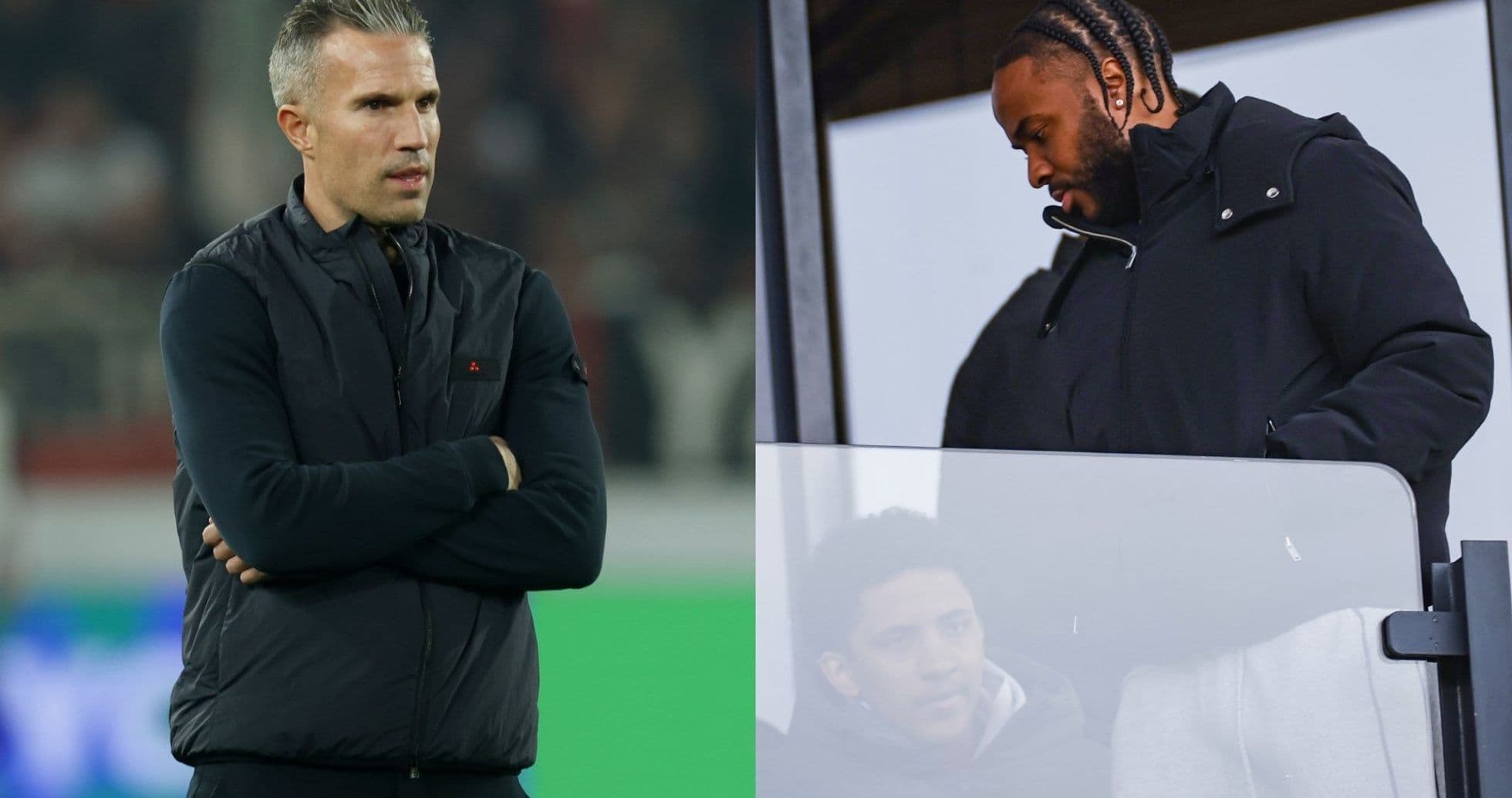
Robin van Persie chose his moment carefully. Final day of the season, second place secured, the pressure dialled down just enough. Into the Feyenoord XI came Raheem Sterling for a rare start, over 70 minutes that summed up his season in Rotterdam: flashes of threat, stretches of frustration, and a noise around him that refuses to quieten.
On the pitch, it was mixed. Van Persie said as much. Sterling drifted in and out of the game, then suddenly came alive with a sharp second-half run inside that hinted at the player who once terrorised Premier League defences. The margins were thin, the luck not always with him. The coach saw that. But he also saw something else – something he clearly felt had gone too far.
The post-match questions were about Sterling’s performance. Van Persie turned them into something bigger.
“He was unlucky at times,” he told reporters. “But there were also a number of times where he was in a good position. In the second half, for example, when he produced a good run inside.” Then the tone shifted. “Personally, I struggle with the cynicism surrounding him. I think respect is more appropriate. In any case, I don't like cynicism. I can't stand the whole atmosphere around him.”
This was not just a manager protecting a player after an average afternoon. This was a former elite forward taking aim at what he sees as a wider problem in Dutch football culture.
Van Persie leaned on Sterling’s career as his central argument. This is a player with multiple Premier League titles, a Champions League pedigree, and almost 100 caps for England. A player who has carried the shirt of Liverpool, Manchester City, and Chelsea. For Van Persie, that CV should count for something. It should buy a degree of respect, a buffer against the constant scepticism that has followed Sterling since arriving in the Eredivisie.
“He has scored 200 goals in England and played 82 international matches,” Van Persie pointed out. “And that is regardless of whether you think he plays well or not. But I think the way we handle this as a footballing nation is really very bad.”
The message was blunt. The Dutch media and sections of the fanbase, in his eyes, have been too quick to dismiss a player who has operated at the top level for more than a decade. The criticism, he feels, has stopped being about form and become something harsher, more personal, and less constructive.
Sterling’s move to Rotterdam was supposed to be a statement. A marquee arrival, a big name dropping into the Eredivisie with the weight of his reputation and numbers behind him. Instead, the narrative has been dominated by what he is not doing, rather than what he has already done. Van Persie is adamant that the balance is wrong.
“The Feyenoord manager was clear that Sterling's past achievements should be the focus rather than his immediate struggles to adapt to the Dutch top flight. “Everyone has to know their place in that. And I think we sometimes go a bit overboard in the Netherlands regarding that,” he said.
It was a reminder and a warning rolled into one: know who you are talking about, and know where the line is.
Sterling himself offered no words. He walked past the microphones after the win over Zwolle, leaving his manager to do the talking. That silence told its own story. A season of scrutiny, a player under the microscope, and now a coach stepping forward to shield him.
Van Persie, though, is not stopping at public defence. He plans to take the conversation private.
“I am going to discuss that with him tonight,” he revealed. “We are having dinner with the group tonight. Then I will take a moment with him.”
A quiet word, away from cameras and headlines, to reinforce what he said in public: that in his dressing room, at least, Raheem Sterling is not a punchline or a symbol of decline, but a player whose body of work still commands respect.
The Dutch debate around him will not vanish overnight. But Van Persie has drawn a clear line in it.