Impact of the 2026 World Cup on All 20 Premier League Clubs
The gap between the end of the 2026 World Cup and the start of the Premier League season is just 33 days, yet some teams have felt the effects of the tournament more than others. The Premier League supplied more players to the World Cup than any other league, and the toll on these players will influence the domestic campaign.
Teams Least Affected: Newly Promoted Sides
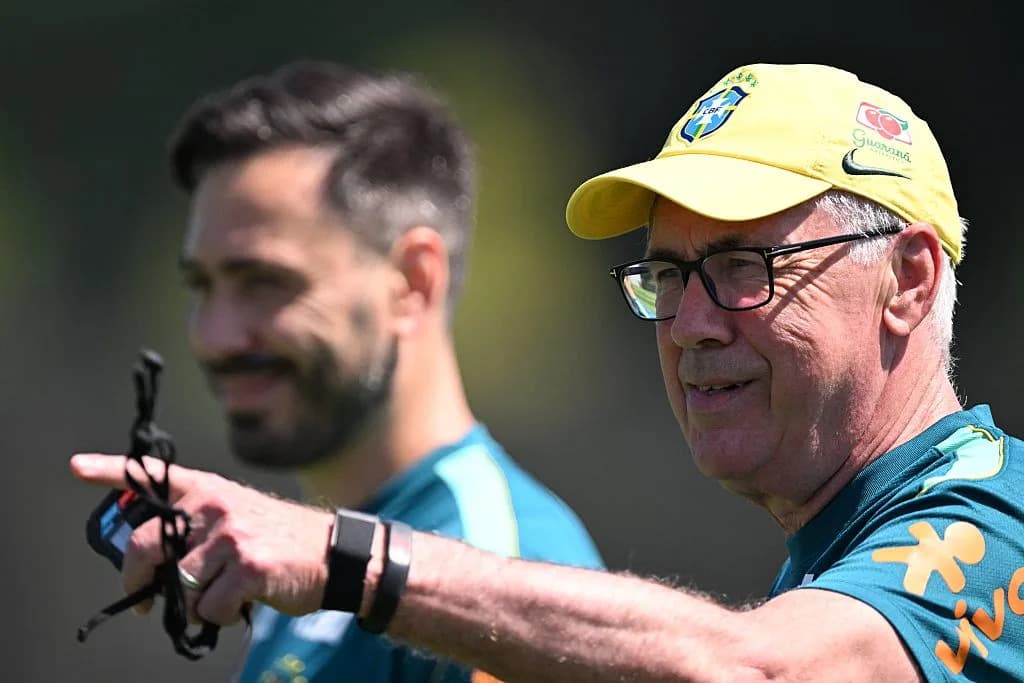
Coventry City, Hull City, and Ipswich Town saw minimal involvement in the World Cup. Frank Lampard, managing Coventry, spent time scouting talent in the U.S., noting that the World Cup is a great platform for spotting players. Only a handful of Coventry’s players appeared briefly, such as Haji Wright's late substitutions for the USMNT and Brandon Thomas-Asante starting once for Ghana.
Everton also had limited exposure, with just three senior players attending and only goalkeeper Jordan Pickford advancing beyond the group stage. Pickford has been remarkably consistent in the Premier League, missing very few matches over recent seasons.
Mid-Table and Some Big Six Clubs Manage the Impact
The so-called elite clubs had varying experiences. Liverpool brought eight World Cup players back, but many exited early. The Dutch players went out in the round of 32 alongside Germany’s Florian Wirtz. Alexander Isak found a good balance with four matches, while Alisson played a bit longer with Brazil. Victor Muñoz did not appear on the pitch for Spain, and Alexis Mac Allister endured tough outings with Argentina.
Chelsea fared similarly. Enzo Fernández reached the final but played only 90 minutes, Reece James and Malo Gusto had deep runs without playing every match, and Moisés Caicedo and Pedro Neto left earlier than hoped.
Top Clubs Facing Heavy World Cup Influence
Sunderland was a standout at the World Cup. With twelve players involved and eleven reaching knockout rounds, their squad scored eight goals collectively. This exposure boosts Sunderland’s profile but raises concerns about fatigue during their demanding season including Europa League commitments.
Key players include Granit Xhaka, Brian Brobbey, and Thomas Meunier.
United sent many players to the tournament, most of whom faced challenges. Lisandro Martínez reached the final with Argentina but suffered an injury. Manuel Ugarte exited early due to injury, and the Portuguese players returned disappointed. Goalkeeper Senne Lammens had a rough moment with Belgium. Kobbie Mainoo didn’t play at all, which might affect him psychologically.
Key players: Lisandro Martínez, Bruno Fernandes, Youri Tielemans, Kobbie Mainoo.
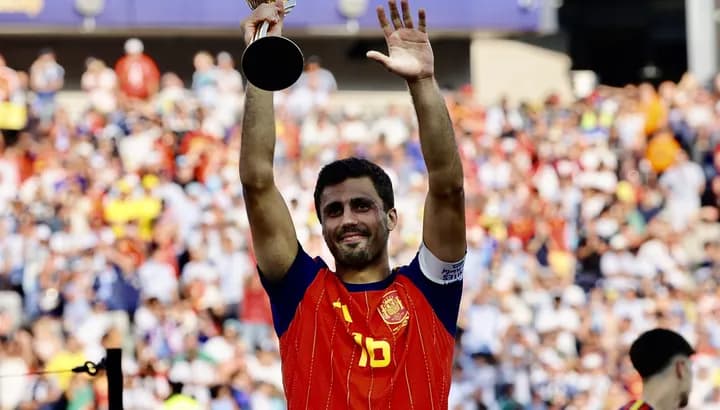
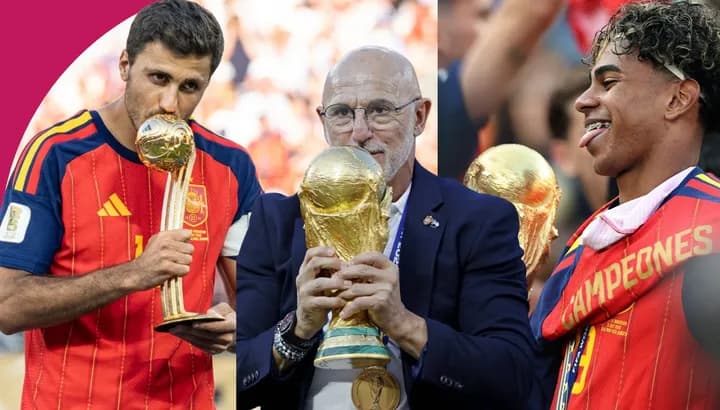
City’s players logged the most minutes overall. Only Rodri made it to the final weekend, finding excellent form for Spain. Erling Haaland returned after his exploits, carrying some quirky souvenirs, while Elliot Anderson impressed for England.
Other key players: Marc Guéhi, Rúben Dias, Nico O’Reilly, Jérémy Doku.
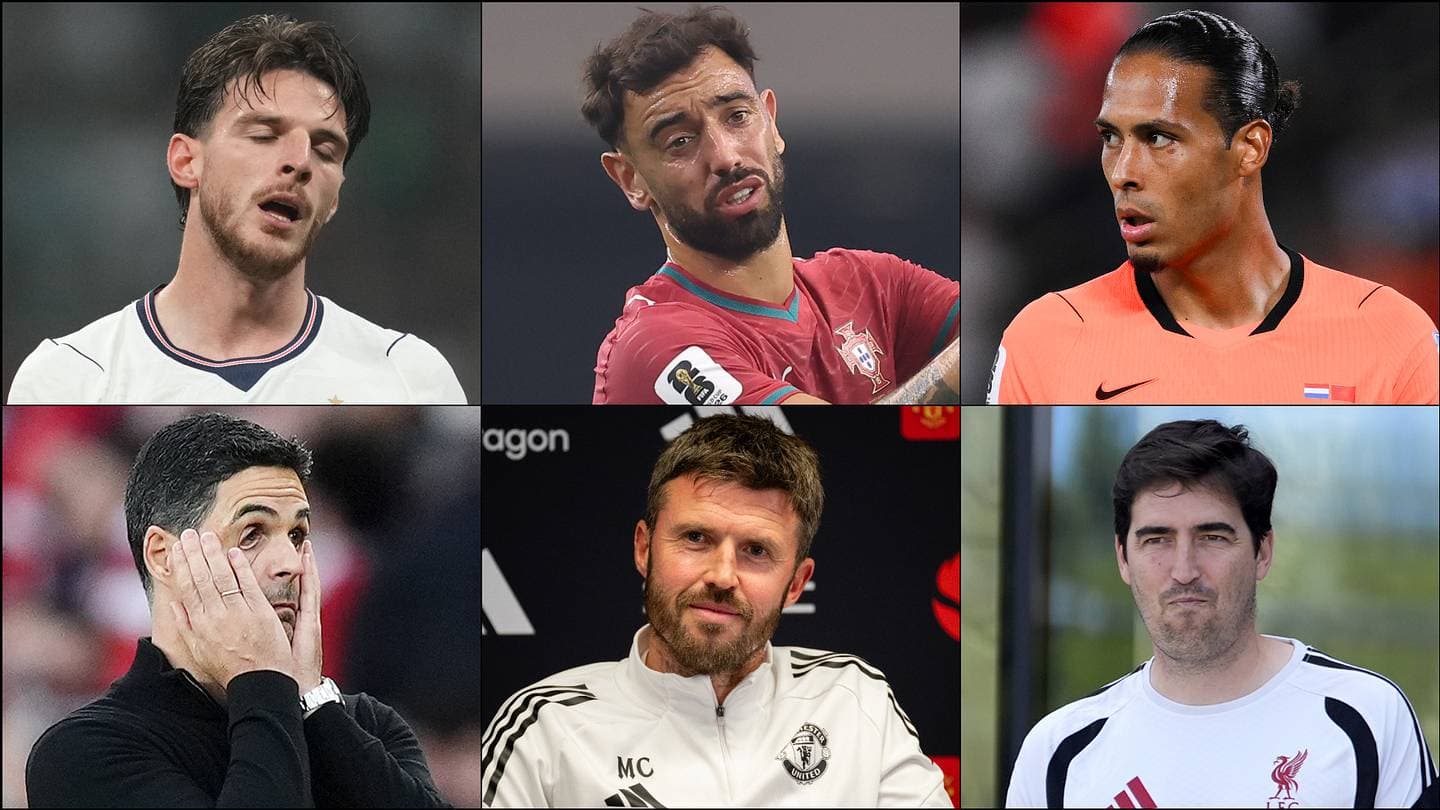
Mikel Arteta’s squad experienced a tough World Cup. Many English players arrived half-fit and stayed that way. Arsenal’s three World Cup winners mostly sat on the bench. William Saliba pushed through pain but now faces months sidelined with a back injury.
Key players: Declan Rice, Bukayo Saka, Eberechi Eze, David Raya, William Saliba, Gabriel.
Villa’s starting lineup for their recent Europa League final included five players who went deep into the World Cup, a heavy physical burden. Emiliano Martínez, Lucas Digne, and Ezri Konsa are among those affected. The biggest setback was Amadou Onana’s ACL injury in the quarterfinals, a big blow after Youri Tielemans moved to United and Morgan Rogers left for Chelsea.
Key players: Emiliano Martínez, Ezri Konsa, Amadou Onana, John McGinn.