Premier League’s New Power Play: Selling Big, Not Just Spending
The Premier League has built its reputation on record-breaking spending. This summer, it’s the sales column that’s shaking Europe.
Aston Villa, Manchester City and Newcastle United have all surged into the all-time top six for transfer income in a single window. Monaco’s famous 360m euros haul from 2018-19 – the benchmark for a modern fire sale – is suddenly under serious threat.
Back then, Monaco’s figure was driven by a handful of huge exits: Kylian Mbappe to Paris St-Germain for 180m euros, Thomas Lemar to Atletico Madrid for 72m euros, Fabinho to Liverpool for 45m euros. One golden generation, cashed in.
Now it’s the Premier League’s turn to test that ceiling.
As of 26 August, according to Transfermarkt, Aston Villa have generated 293.1m euros (£251m) in outgoing transfers this summer, City 278.6m euros and Newcastle 275.5m euros. Only Monaco, Chelsea’s 321m euros in 2025-26 and Atletico Madrid’s 314m euros in 2019-20 sit above them in the all-time list.
And the window is still open.
Villa: Profit, Pressure and a Price to Pay on the Pitch
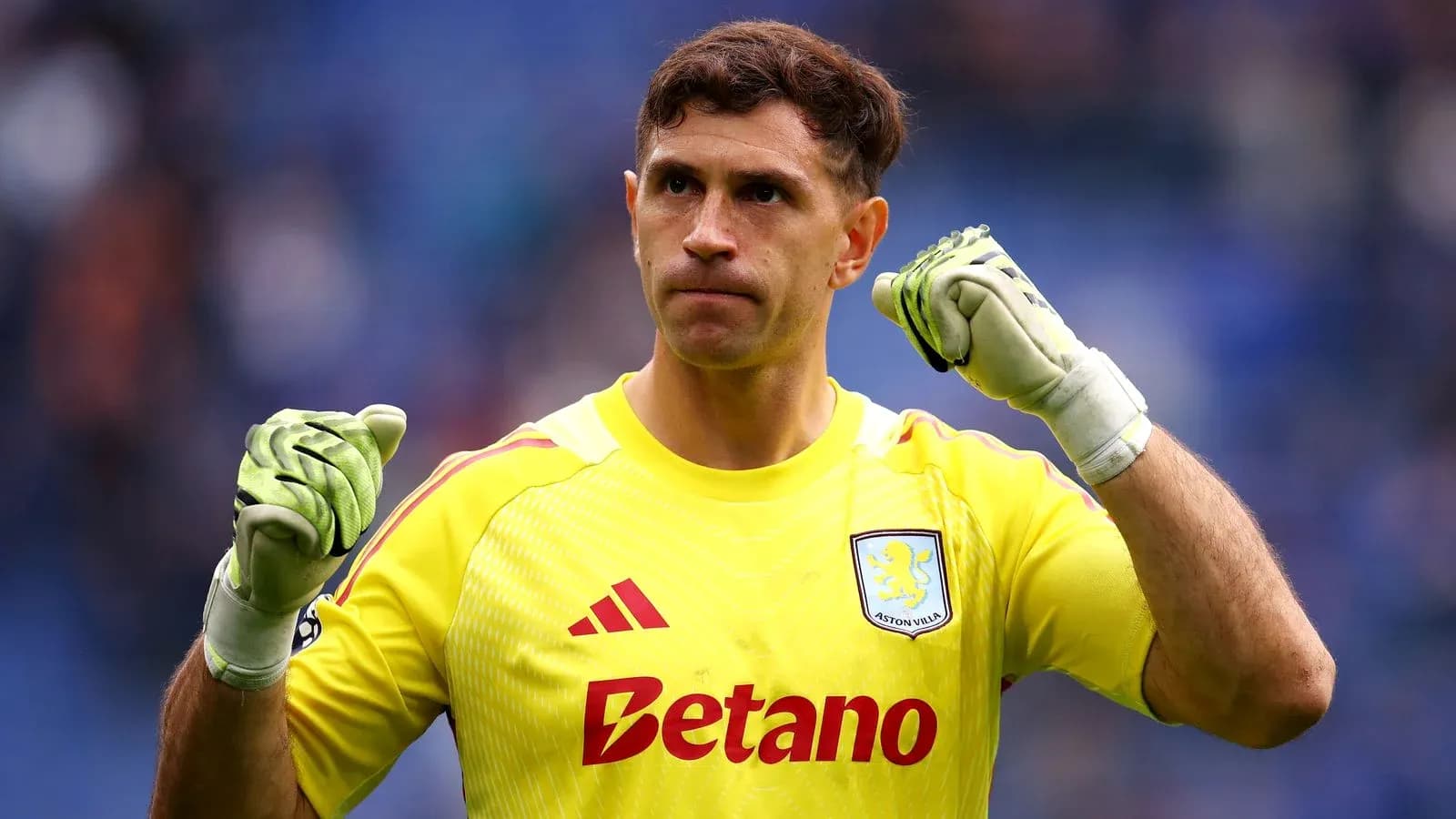
No English club has embraced the sell-to-survive reality quite like Aston Villa in this window.
They are closest to Monaco’s record, powered by Morgan Rogers’ £117m (138m euros) move to Chelsea – a single deal that rips a huge chunk out of their squad and drops a huge sum into the accounts. Ezri Konsa, Youri Tielemans and Lucas Digne have gone too, part of a senior core stripped away in a matter of weeks.
The result? Villa now boast the strongest positive transfer balance in the Premier League.
They have spent 160.5m euros, but still sit 132.6m euros in profit on transfers. That kind of surplus does not happen by accident. It comes against a backdrop of financial strain and regulatory pressure.
In June, Uefa fined Villa 22.5m euros for a significant breach of its squad-cost rule for 2025. Fifteen million of that is suspended, but only on the condition that the club continues to bring its squad-cost ratio down during 2026. The message was clear: cut costs, or pay up.
The footballing cost was just as clear on the opening weekend. Unai Emery’s side were hammered 4-0 by Brighton, a performance that looked like a team suddenly robbed of its spine.
Gary Neville said Villa looked as if they had had their “heart ripped out”, highlighting the experience and influence lost with Rogers, Tielemans and Konsa gone. On the balance sheet, Villa look healthier than ever. On the pitch, the surgery is raw.
And the story may not be finished.
Saudi Arabian club Al-Hilal have pushed hard for Ollie Watkins, with Villa rejecting an offer of around 52m euros. Emery has already admitted the England striker could leave, but the two clubs remain apart on valuation. If that gap closes, Villa’s income could surge again – and their squad would take another heavy blow.
Manchester City: Selling Smart While Rebuilding
Manchester City are used to setting transfer records on the buying side. This summer, their ability to sell is just as striking.
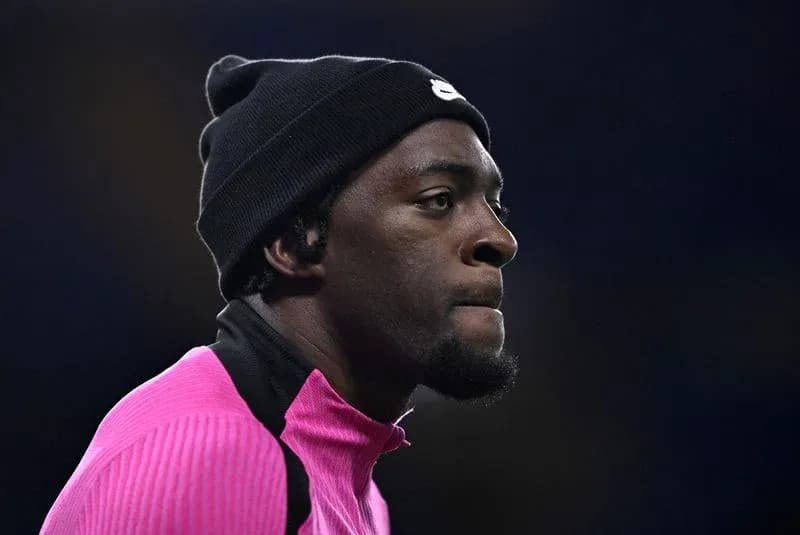
Their position shifted again after Wednesday’s signing of Ayyoub Bouaddi. City have already generated 278.5m euros from sales, with significant exits including Savio, Tijjani Reijnders, Rodri, James Trafford, Manuel Akanji and Nathan Ake.
At the same time, they are rebuilding the heart of their team.
Bouaddi’s arrival takes City’s spending to 273.7m euros, leaving them with a rare outcome for a superclub: a positive transfer balance of 4.8m euros. They are reshaping their midfield while, on paper at least, making money.
That balance could disappear in an instant if more deals drop.
Tottenham have agreed a loan for Omar Marmoush with an obligation to buy for £60m (58m euros) next summer. Because of the structure, that fee will land in City’s 2027-28 income, not this season’s accounts.
Nico Gonzalez is expected to leave, and Jack Grealish remains a live story heading into the final days of the window. Grealish spent last season on loan at Everton, who are still keen, but the winger sees Enzo Maresca’s arrival as a fresh chance at City. His contract runs until June 2027, which gives City leverage – and options.
A permanent sale of Gonzalez, and possibly Grealish, would send City’s 2026-27 income soaring again.
All this comes while they spend big in midfield. Elliot Anderson has arrived from Nottingham Forest for 135m euros, a statement deal in a key area of the pitch. City also retain interest in Chelsea midfielder Enzo Fernandez, another move that would reshape the numbers and the squad in one hit.
This is not a club reluctantly cashing in. It is one using the market as aggressively on the exit side as it has for years on the entrance.
Brighton: Profit as a Philosophy, Not a One-Off
If Villa and City are chasing records in a single window, Brighton are winning a different game entirely.
Over the past five seasons, Brighton have spent 665.4m euros on players and brought in 715.4m euros in transfer fees. That leaves them roughly 50m euros in profit across the period.
No other current Premier League club can say the same. According to Transfermarkt, Brighton are the only side to post a cumulative transfer profit over those five seasons. Aston Villa are the closest to breaking even, and they are still at -10.02m euros overall.
That gap tells a story.
Brighton do not rely on one explosive summer to fix their books. They have built a model that consistently sells high and reinvests smartly, year after year. Big fees arrive, big signings follow, and the cycle repeats.
While others lurch between splurges and fire sales, Brighton’s numbers show something rarer in the modern Premier League: a plan that actually adds up.
The question now is whether the rest of the league is finally catching on – or simply cashing out under pressure.