Portugal's World Cup Draw Sparks Ronaldo Debate
Portugal’s World Cup start was supposed to be routine. Instead, it lit a fuse.
In the heavy Houston heat, Roberto Martinez’s side walked off with a 1-1 draw against DR Congo, a result that feels far more damaging than the table currently shows. Joao Neves’ early strike should have settled Portugal, should have opened the door to a comfortable night. It didn’t. Yoane Wissa’s equaliser before the break turned the evening into something else entirely: a referendum on Cristiano Ronaldo.
Neves strikes, Wissa answers
Portugal began like a team keen to make a statement. Neves’ opener arrived early, a reminder of the new generation pushing through, all sharp movement and quick combinations. For a while, DR Congo struggled to breathe.
Then the grip loosened.
Wissa, so often a menace for club and country, dragged his side back into the contest before half-time. His finish not only levelled the score, it shifted the mood. From that moment on, Portugal’s dominance felt sterile. Possession without incision. Territory without punishment.
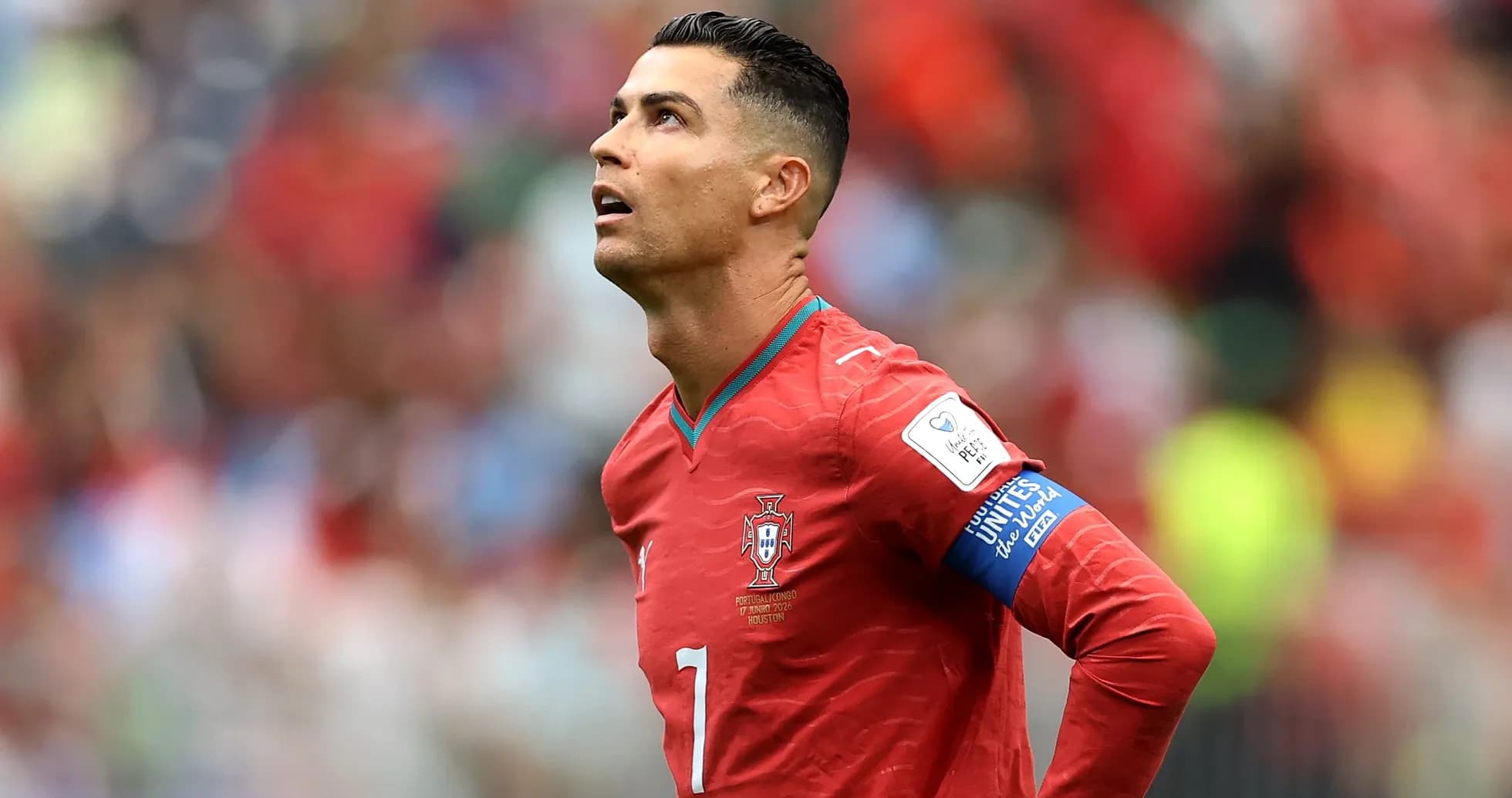
And at the heart of that frustration stood Ronaldo.
A night that fed the debate
This is Ronaldo’s sixth World Cup, a number that underlines his remarkable longevity and status. Yet in Houston, the record felt like a weight. He failed to register a shot on target. He missed two clear chances. The movement was there at times, the intent too, but the execution deserted him when Portugal needed a ruthless edge.
The draw leaves Portugal under pressure in Group K, with harder fixtures looming. That context sharpened the post-match analysis, and one voice in particular cut through.
Former England striker Jay Bothroyd, speaking on Sky Sports, did not bother with diplomacy.
“Have to be honest, I think if Ronaldo is a team player, I think he should step down and understand that he has to be a player that comes off the bench as an impact player,” he said. “Is he ever going to do that? Nope, I don’t think he is. And that’s my point.”
It was the kind of assessment that lands heavily when paired with a flat performance. Not just about missed chances, but about hierarchy, ego and evolution inside a national team trying to win now, not yesterday.
“More hindrance than help”
Bothroyd went further, touching the live wire that has run through Ronaldo’s late career: the constant comparison with Lionel Messi and the impact of that chase on the collective.
“I look at Ronaldo and… the Ronaldo faithful are going to hate me today, but it looks like it’s all about him, yeah? You know, and he’s always chasing Messi all the time,” he added. “He’s never going to be Messi, but what he has throughout his career, he’s made the absolute most out of his career… But right now he’s becoming more of a hindrance for Portugal than help, and I think that’s where Martinez is going wrong.”
That line will echo far beyond one group-stage draw. “More of a hindrance than help” is not a casual observation; it’s a direct challenge to Martinez’s entire attacking blueprint.
Because this is not just about one game in Houston. It’s about whether Portugal can fully lean into the energy of Neves, the runners around him, the pace and fluidity that modern tournament football demands, while still building around a 39-year-old centrepiece who refuses to see himself as anything but indispensable.
Martinez stands firm
Inside the Portugal camp, though, there is no sign of a tactical revolution. Martinez doubled down on his decision to keep Ronaldo on the pitch when the game was crying out for a decisive moment.
“It makes no sense to get the best goalscorer in world football out in a game that you need goals,” he told reporters afterwards. “For us in moments like this, the experience of Cristiano in the box is important.
“The way that he attracts defenders is important, the way that we can use the space is important. And every player has a responsibility or a piece of quality on the pitch. And clearly when you look for goals, you need to have Cristiano.”
That is the fault line now running through Portugal’s campaign. On one side, a coach who believes the mere presence of Ronaldo bends games, draws defenders, creates chaos. On the other, critics who see those same minutes as an opportunity cost, time that could belong to fresher legs and a more fluid front line.
The draw with DR Congo did not answer that argument. It intensified it. The next 90 minutes Portugal play will not just be about points; they will be about whether Martinez dares to redraw the map around his captain, or whether this World Cup will rise or fall on the same familiar shoulders.