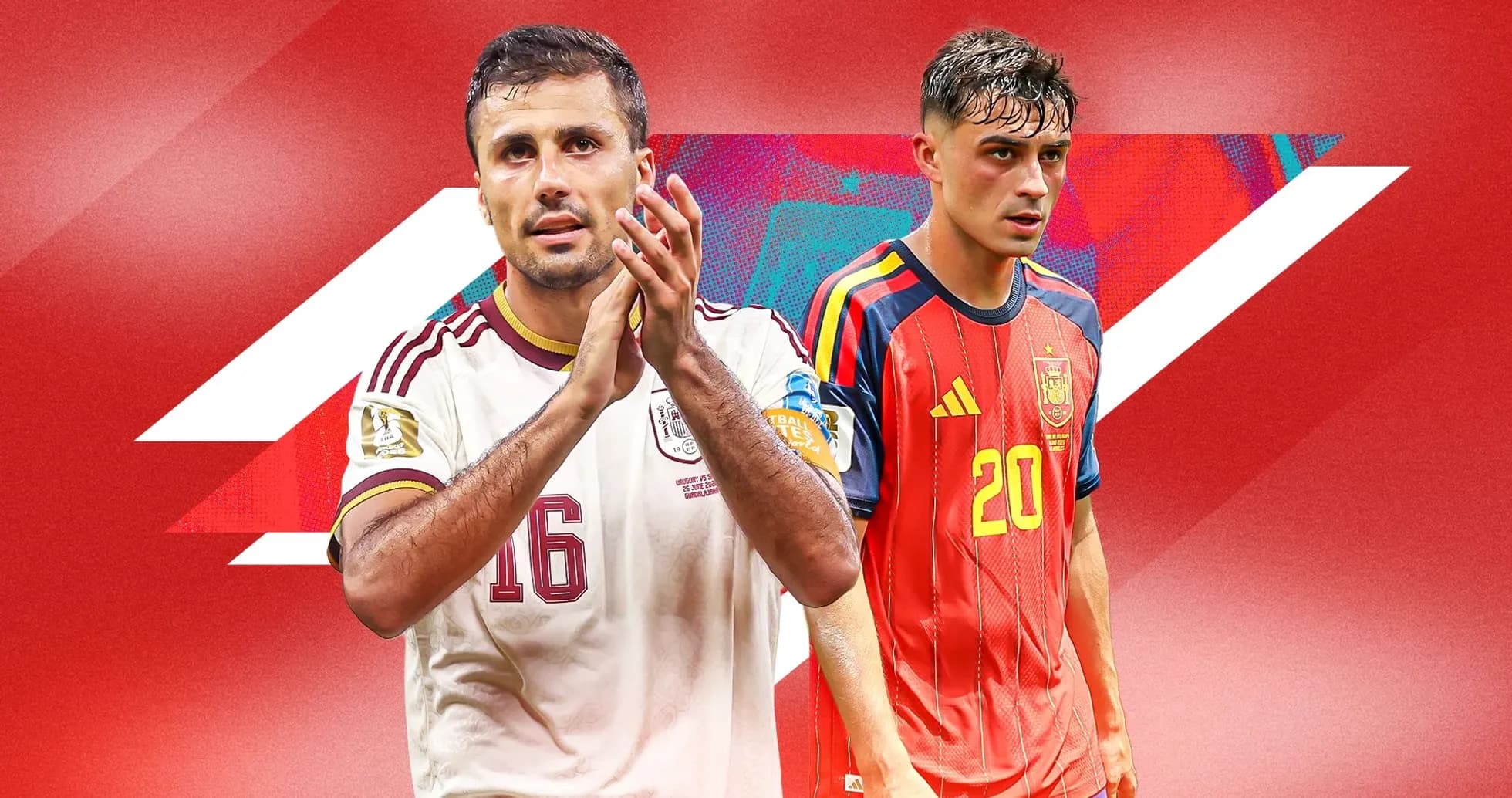
Pedri's World Cup Dilemma: A Star Under Pressure
The plan was seductively simple. Put Rodri and Pedri at the heart of Spain’s midfield, marry control with creativity, and let the world title fall into line behind the European crown claimed in Germany two years ago.
Half of that equation has worked to perfection.
Rodri has glided through this World Cup like a Ballon d’Or winner in waiting, dictating Spain’s run to the semi-finals in North America with the authority of a man who owns the tempo of every match he enters. Pedri, though, has become the argument. Not the answer.
A Star Under the Microscope
The numbers from Spain’s flat, scoreless opener against Cape Verde told one story. Pedri created five chances, more than anyone else on the pitch. He found pockets, threaded passes, kept the ball moving.
Back home, many saw something very different: a prodigy who no longer bends games to his will.
Cape Verde’s subsequent results softened the glare on that 0-0, but not on Pedri. The longer this tournament has gone on, the louder the question has become: where is the end product?
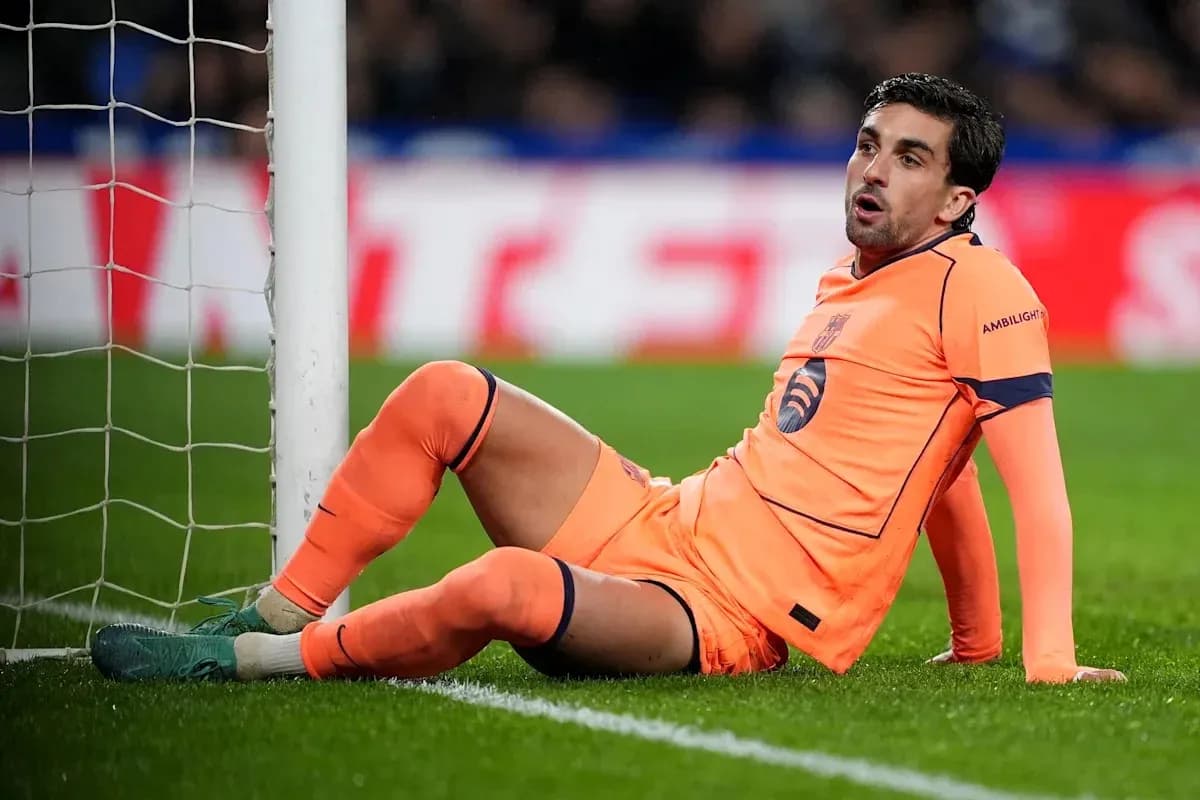
In the background, the comparison that nobody inside the Spain camp wants but everyone outside keeps making has rumbled on. Jude Bellingham is scoring, assisting and striding through this World Cup for Real Madrid and England with a highlight reel that grows by the game. Pedri, Barcelona’s metronome, has been tidier than terrifying, safer than decisive.
The contrast is crude, reductive and, in many ways, unfair. Bellingham plays higher, with license to crash the box. Pedri has been asked to sit deeper, closer to the build-up. But football’s bottom line is merciless. Bellingham is deciding games. Pedri is not.
The Drop That Shocked Spain
So when Luis de la Fuente left Pedri out of the starting XI after five consecutive World Cup starts in 2026 – and nine in a row stretching back to Qatar – it still jarred. Big names do not usually sit when the stakes rise. Not players once talked about as the future of a generation.
De la Fuente did not flinch. Spain, he reminded everyone, are stacked in midfield. Dropping Pedri is no longer a tactical earthquake when the alternatives are this good.
He pointed straight at Mikel Merino as proof. The Arsenal midfielder had already bailed Spain out with a late winner against Portugal, then watched most of the Belgium tie from the bench as well. No tantrums, no sulking. Just another decisive late goal in the 2-1 victory.
“It’s unfair that Mikel doesn’t play from the start, but it would also be unfair if someone else were left out,” De la Fuente said. “Only 11 can play, and they understand that – the role they have to play at any given moment. When they take to the pitch, they know what they have to do; that’s why it’s a pleasure to be their manager.
“What matters is the team. It doesn’t matter who starts the match. Everyone is important, even those who haven’t played.”
The message was blunt: nobody is bigger than the system. Not even Pedri.
Pedri’s Response – and a Missed Moment
There has been no hint of rebellion from the Barcelona midfielder. No whispers of frustration leaking out of the camp.
“He’s taken it well,” goalkeeper Unai Simón said after the Belgium win. “We all want to play but, in the end, there isn’t room for everyone.
“How must David (Raya) and Joan (Garcia) feel knowing they’re world-class goalkeepers? Everyone wants to play, but everyone wants to win the World Cup. So, when it’s your turn to accept that role, you do it.”
Pedri did get his chance off the bench against Belgium. It was the kind of situation that once seemed made for him: legs tiring, spaces opening, Spain looking to kill the game on the break.
Instead, he snatched at it. A late counterattack, a promising overload, and then an uncharacteristically sloppy final pass. Move wasted. Moment gone.
At the same time, Fabián Ruiz – who had started and scored Spain’s opener in Los Angeles – strengthened his own claim. Simón called the Paris Saint-Germain midfielder “an immense talent” and underlined his pedigree: a player who has just “won two Champions Leagues in a row”.
Pedri, suddenly, is not the automatic name on the team sheet. He is part of a puzzle.
Two Pedris, One Dilemma
De la Fuente’s admiration for Pedri has never been in doubt. The coach calls him “a class player, one of the best in the world, if not the best.” But he says the same about Fabián. That is the level of competition.
More interesting is the way he frames Pedri’s role.
For Barcelona, Pedri floats between lines, drifts into the half-spaces, and links with attackers who understand his language of feints, flicks and one-twos. For Spain, the coach insists, the context is different.
“Pedri can’t play like he does for Barca, because we play differently,” De la Fuente explained. “We have similarities, but it’s not the same. We don’t have the same players either.
“We have Rodri, so of course his partner in midfield is different. For me, Pedri could play as a 6, 8, or 10, but we have to make decisions that are always very elaborate, very analysed, very tailored to the opponent.”
In other words: there is a Barcelona Pedri and a Spain Pedri. Right now, only one of them is truly shining – and it is not the one in red at this World Cup.
The France Question
All of that funnels into one pressing issue before Spain face France: who starts next to Rodri?
On paper, there is a tantalising solution. Rodri, Fabián and Pedri together, as they were against Cape Verde. Three technically gifted midfielders, total control of the ball, and a chance to starve Didier Deschamps’ devastating front four of service.
If Spain dominate possession, they drag France into a game they do not particularly want to play. That is the theory.
But there is a cost. Packing the midfield with Rodri, Fabián and Pedri likely means sacrificing Dani Olmo, who has quietly made the No.10 role his own in the knockout rounds. His finishing still frustrates, but his movement between the lines has given Spain a different kind of threat.
De la Fuente has long said he prefers Pedri closer to the opposition box, where his guile can hurt teams most. He has praised the 21-year-old for “always setting a very good tone, whether he’s in top form or not”.
Yet his recent comments hint at another plan: using Pedri as the closer, not the conductor.
After the Belgium game, the coach suggested that Pedri could “benefit from Fabián’s work” – the running, the pressing, the constant shuttling that wears opponents down. The implication is clear. Let Fabián punch the holes. Then unleash a fresh Pedri when the spaces are too big to plug.
“It’s essentially teamwork,” De la Fuente said. And in this Spain side, that is not a platitude. It is the organising principle.
A Luxury Problem With High Stakes
Selflessness has become Spain’s defining strength at this tournament. Big names accept smaller roles. Match-winners wait their turn. The collective trumps the badge on anyone’s chest.
That is why Pedri’s reduced status feels so jarring and so logical at the same time. It is strange to see his place openly debated. It is equally hard to argue with a coach who has guided this group to a European title and now to the brink of a World Cup final.
“France have already shown some extraordinary, exceptional potential, but we have too, so I think the game is very open,” De la Fuente said. “It will require fresh, energetic players, and it will require us to be the best version of ourselves.”
Somewhere inside that sentence lies Pedri’s challenge.
Spain do not just need the best version of themselves against France. They may need the best version of him. The question is whether that version still lives in the shirt of his country, or only in the colours of his club.