The BlueCo Hangover: Chelsea's Misjudged Signings
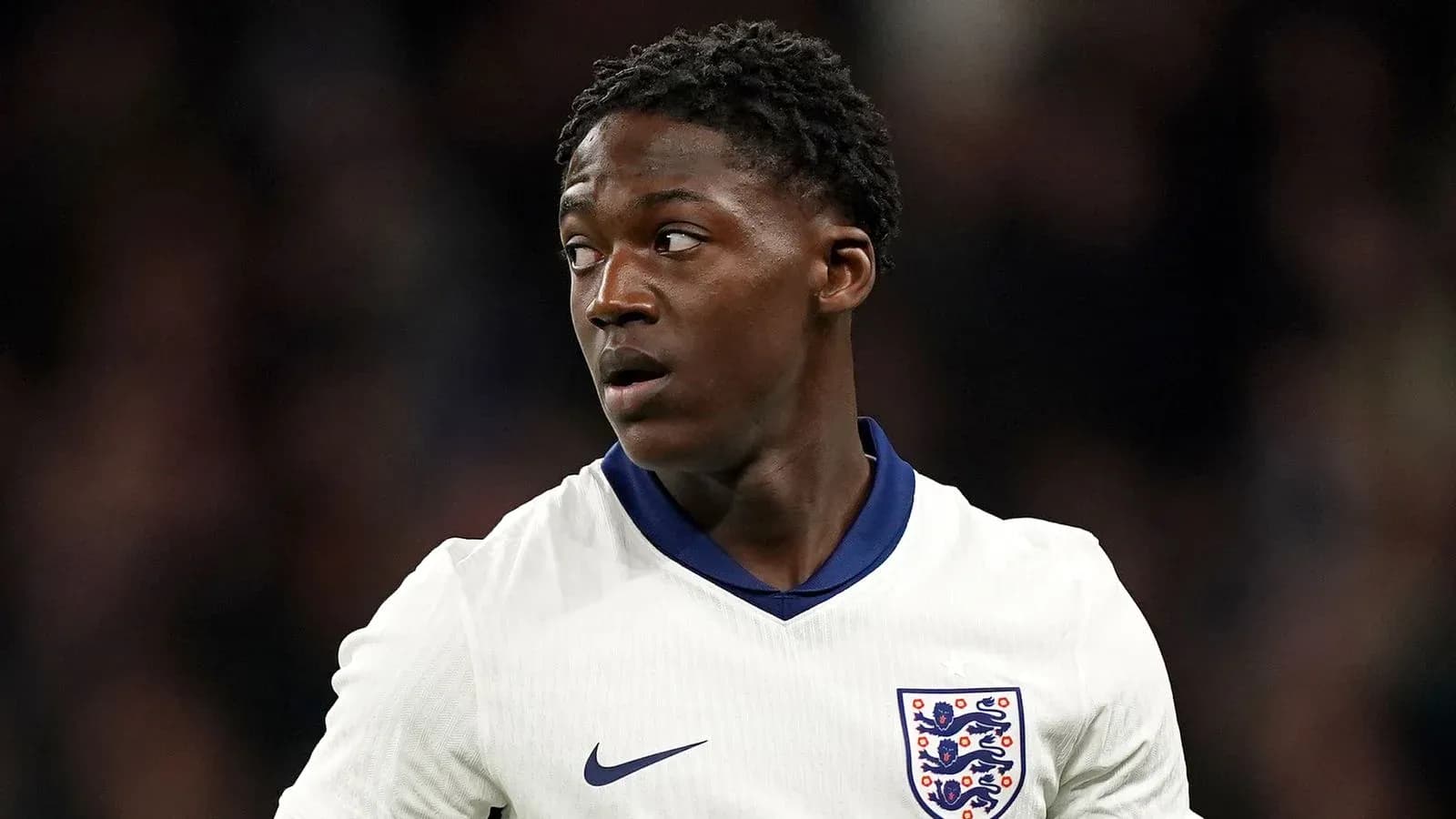
Carney Chukwuemeka’s Chelsea career barely registered as a storyline, never mind a chapter. Signed from Aston Villa for £20m in 2022 after driving England’s Under-19s to European glory, he arrived with the glow of a future midfield cornerstone. Instead, injuries and managerial indifference left him drifting on the fringes. Thirty-two appearances in two-and-a-half years tell their own story. By the time he left for Borussia Dortmund last summer, initially on loan, his Chelsea spell felt less like a flop and more like something that simply never happened.
Christopher Nkunku was supposed to be different. A £52m coup from RB Leipzig in 2023, he arrived as the prolific Bundesliga forward ready to lead the new Chelsea. This was the marquee attacker, the man to drag the club’s forward line into a new era. Then pre-season bit back. A serious knee injury almost as soon as he joined up with the squad wiped out half of 2023-24 and set a grim tone. He returned, but the spark didn’t. Cole Palmer surged past him as the team’s attacking reference point, and Nkunku slipped into the role of expensive extra. By the time he was sold to AC Milan last summer, he had just 27 Premier League appearances to his name, his Chelsea career reduced to a cautionary tale about timing and bad luck.
Alejandro Garnacho’s move from Manchester United felt like a raid on a rival, a £40m swing at a “market opportunity” after Ruben Amorim froze him out at Old Trafford. United banked the cash. Chelsea got the shell of the player. The winger who once played with fearless swagger in red never appeared in blue. His confidence drained, his decision-making dulled, he drifted through performances on the left flank, unable to nail down a place under either Enzo Maresca or Liam Rosenior. Chelsea are now widely understood to be willing to cut him loose, hoping for £43-£45m. Hope is probably doing the heavy lifting there.
Pierre-Emerick Aubameyang’s Chelsea stint was doomed almost before it began. Thomas Tuchel pushed for his signing from Barcelona in the summer of 2022, a short-term fix with a familiar face. One day after Aubameyang’s debut, Tuchel was sacked. The entire logic of the deal vanished overnight. Graham Potter never truly trusted him. The goals never flowed. Frozen out and surplus, Aubameyang limped to 21 appearances and three goals before leaving on a free to Marseille. A big name, a tiny impact, and a reminder of how quickly a club without a clear plan can burn money.
Kalidou Koulibaly was meant to be the defensive anchor of the BlueCo revolution. Arriving in that same first 2022 window, he brought with him a heavyweight reputation from Napoli, where he had been one of Europe’s most admired centre-backs. Chelsea thought they were getting leadership, authority, calm. They got chaos. In a season defined by churn in the dugout and constant tactical recalibration, Koulibaly never settled. High-profile errors cut into his aura, and he never became the commanding presence the club expected. After just one season, Chelsea cashed out, selling him to Al-Hilal and watching him disappear into the first big wave of stars heading to Saudi Arabia.
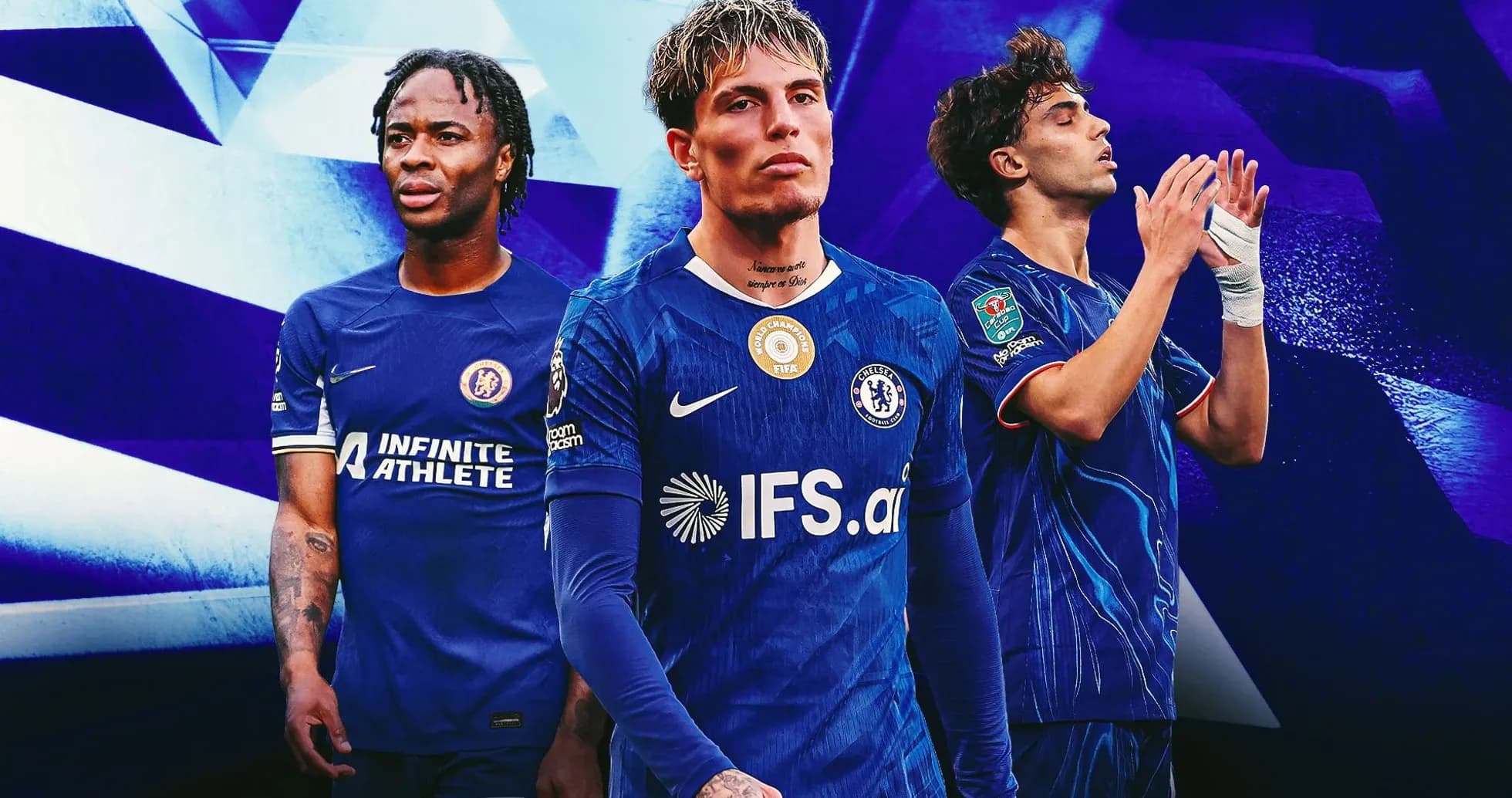
If Koulibaly’s arrival was supposed to steady the back line, Raheem Sterling’s was designed to light up the front. A £47.5m signing from Manchester City, a proven Premier League scorer, a serial title-winner – this was meant to be the blockbuster headline of the new era. Instead, his Chelsea career fizzled. Two seasons of underwhelming form left patience thin. Maresca eventually exiled him to the infamous “bomb squad” before an unsuccessful loan to Arsenal in 2024-25 only deepened the sense of decline. When he returned, nothing had changed. No route back, no redemption arc. His contract was finally terminated in January 2026, a full 18 months after his last appearance for the club.
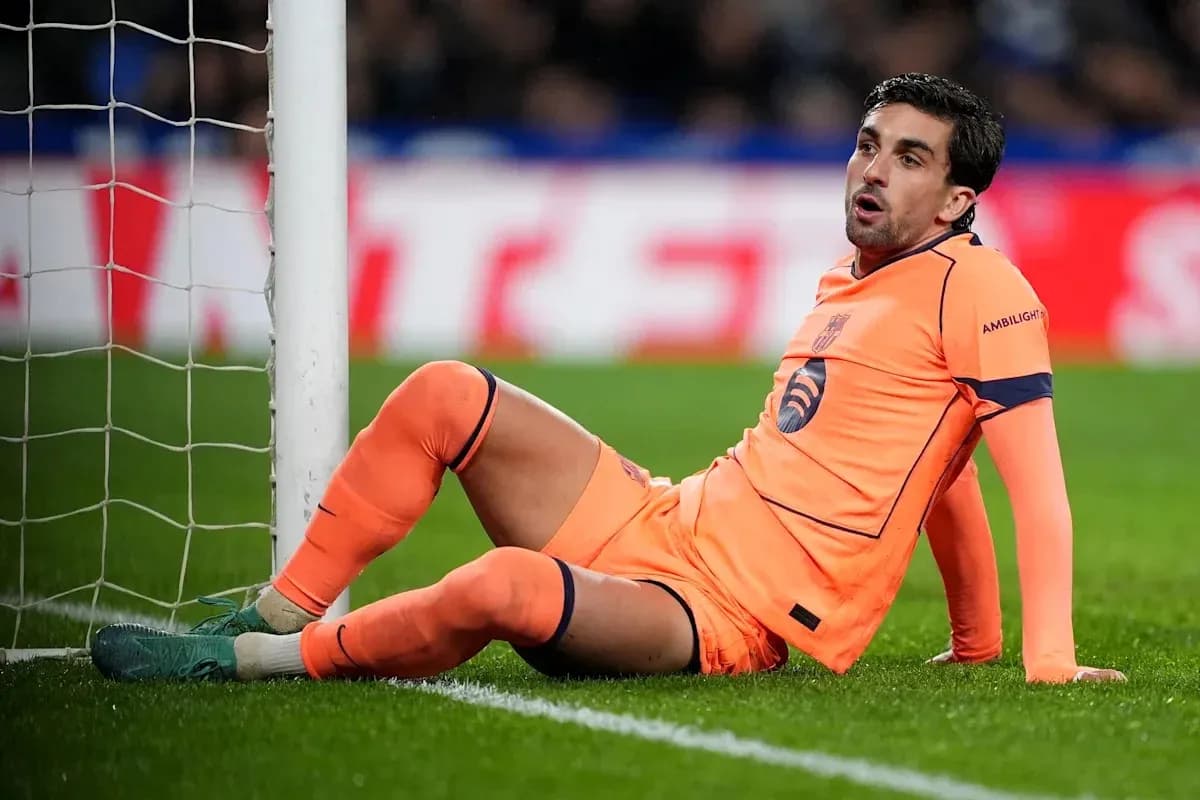
Joao Felix was the signing Chelsea wanted so badly, they went back for seconds. They really shouldn’t have. His first spell, a short-term loan from Atletico Madrid during that wild January 2023 spending spree, started with a red card on debut against Fulham – a brutal metaphor for what was to come. He showed flashes, but never enough to justify the hype. Chelsea still went back in 2024, lured by his productive loan at Barcelona. Again, it never clicked. Half a season under Maresca, no lasting imprint, and then another loan, this time to AC Milan. By the summer of 2025 he had moved on permanently to Al-Nassr, his Chelsea story a study in how talent without fit or clarity becomes a very expensive luxury.
Facundo Buonanotte’s Chelsea chapter barely made it into the footnotes. Signed on loan from Brighton late in the 2025 summer window, he looked like a depth move, a creative option for Maresca to rotate in. Instead, he mostly watched. Eight appearances in total, just one in the Premier League, and frequent absences from the matchday squad. His loan was cut short in January, and a similarly forgettable half-season at Leeds followed. A cameo within a cameo.
Deivid Washington is still technically a Chelsea player, which might surprise even some of their own supporters. The Brazilian forward arrived from Santos in 2023 for £17m, one of several youngsters handed lengthy contracts as part of the club’s long-term squad-building experiment. Since then, he has barely been seen. Three first-team appearances in 2023-24, then a slide into development-squad anonymity. A loan back to Santos in 2025 offered a chance to reboot, but he was recalled after failing to make a lasting impression there as well. Now 21, he looks destined to leave permanently, a symbol of a recruitment strategy that stockpiled prospects without a clear pathway.
And then there is Mykhailo Mudryk, perhaps the most haunting “what if” of them all. His £89m move from Shakhtar Donetsk in January 2023 electrified the fanbase. Raw pace, direct running, a sense of chaos in the final third – he arrived as the face of a daring new Chelsea. The reality turned dark, fast. On the pitch, he never settled. The exuberance that had made him so coveted rarely appeared in a blue shirt. He bounced in and out of starting line-ups under a carousel of managers, never stringing together a sustained run of form. Then came the bombshell. Provisionally suspended in November 2024 for a doping offence, he disappeared from the team entirely. In April 2026, the Football Association handed him the maximum four-year ban. Mudryk has appealed and reportedly believes a return in 2026-27 is possible, but any realistic vision of him resurrecting his career at Stamford Bridge feels remote.
One by one, these signings were supposed to light the way for the BlueCo era. Instead, they leave a different legacy: a stark ledger of misjudged timing, muddled planning and talent that never quite found its place. The question now is whether Chelsea have finally learned how to stop writing this same story.