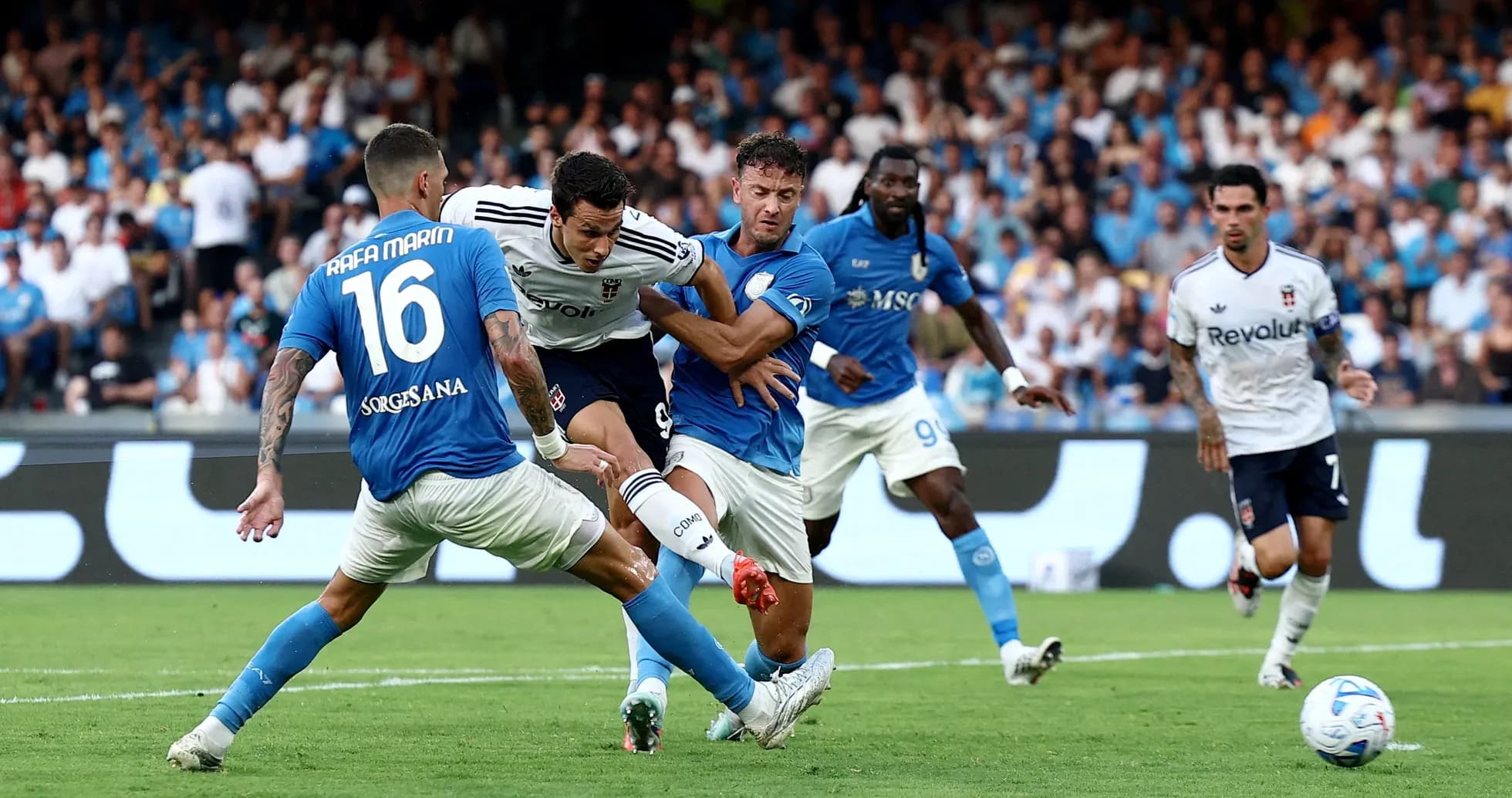
Napoli's Home Defeat to Como: A Tactical Warning
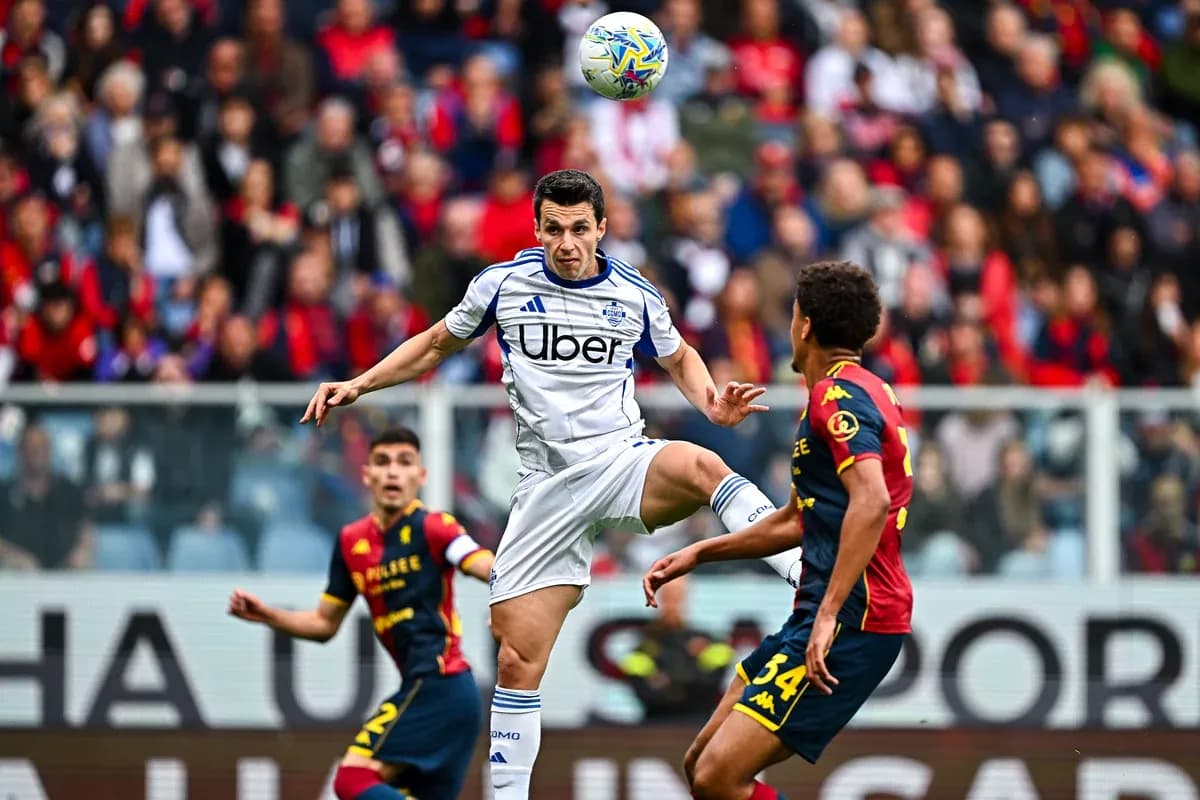
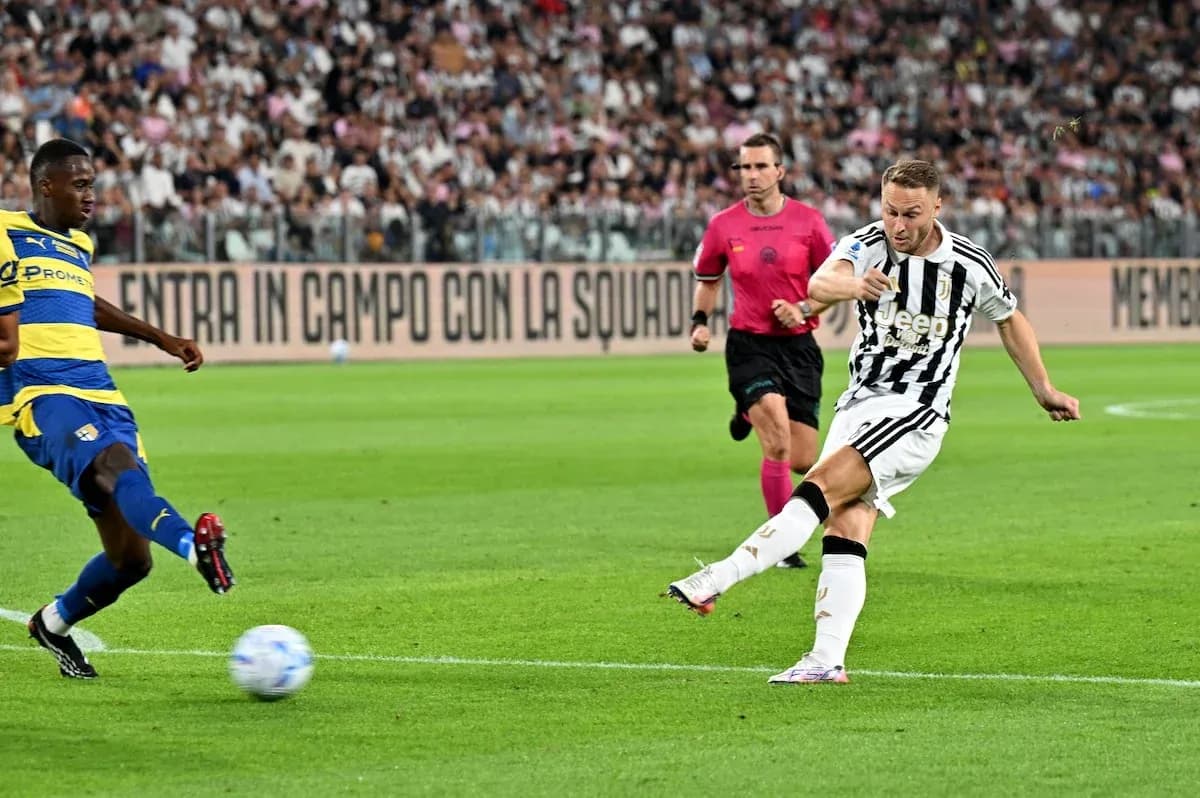
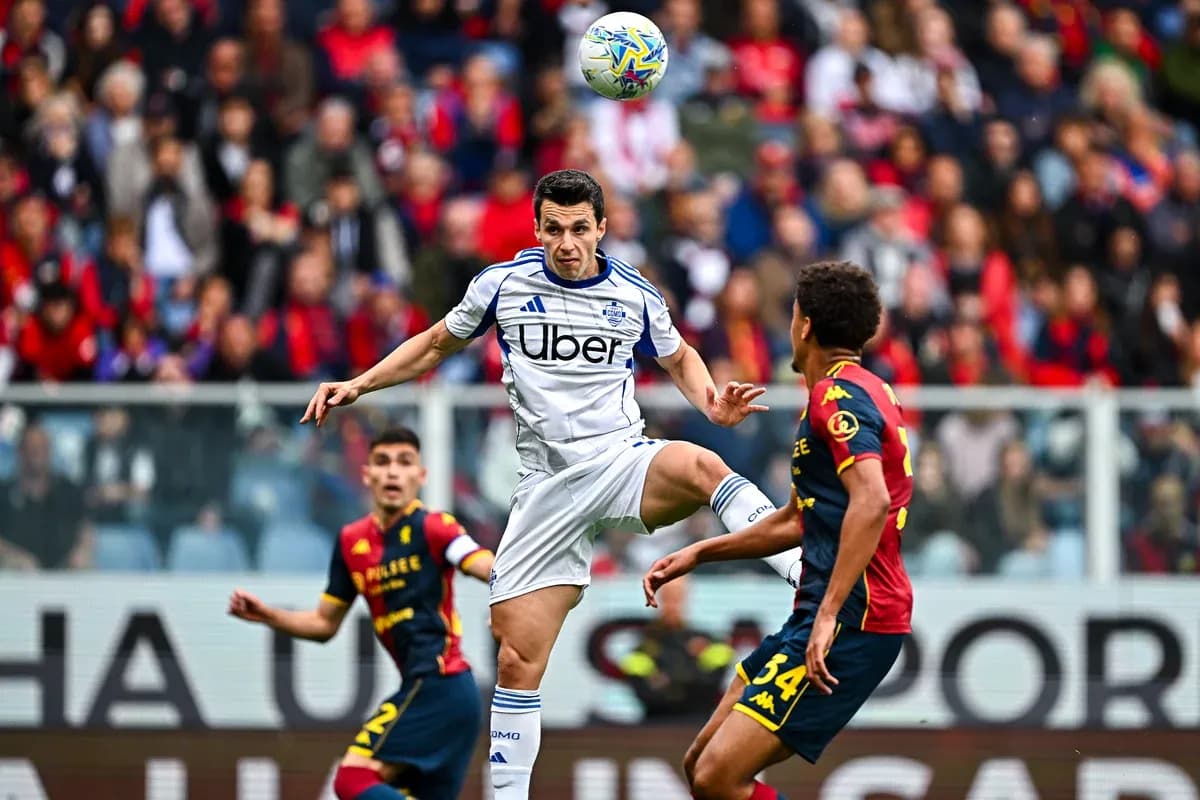
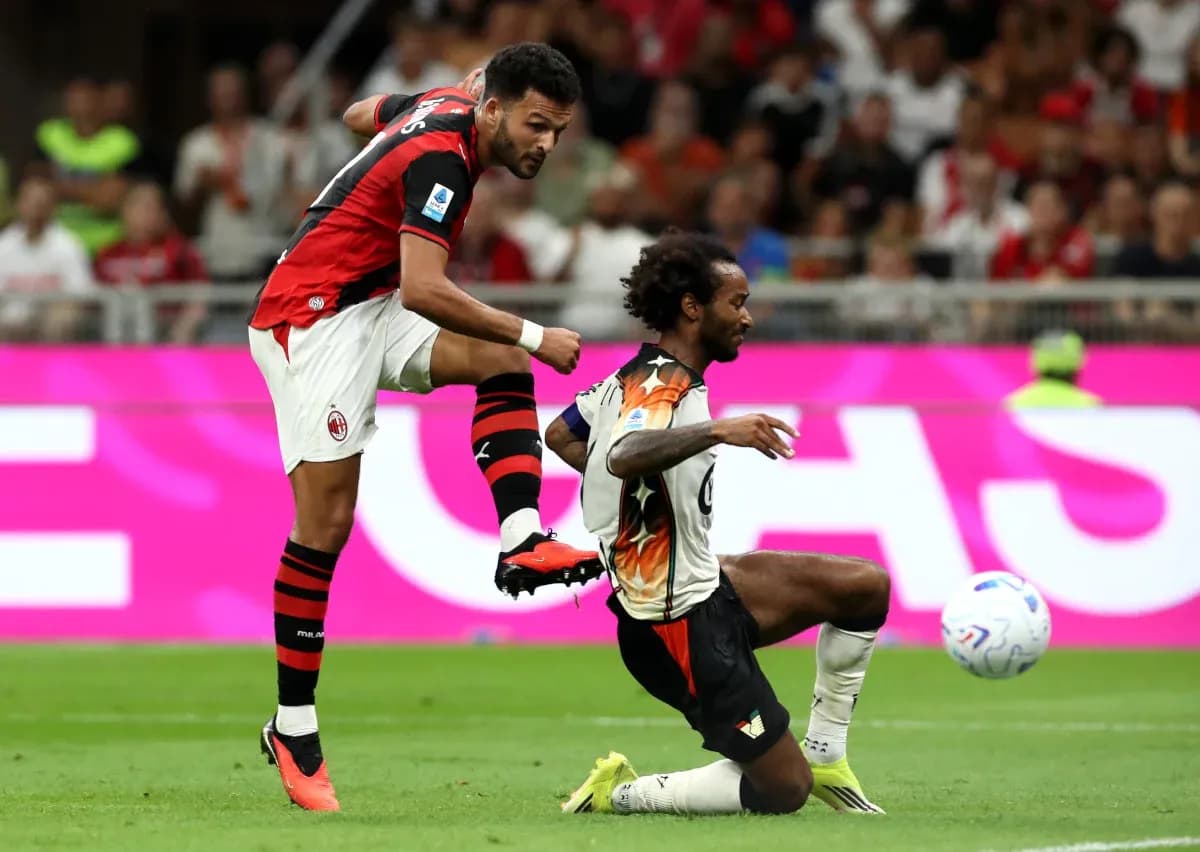
Under the Naples sun at Stadio Diego Armando Maradona, this was supposed to be Napoli’s statement afternoon: a glamour home unveiling of Massimiliano Allegri’s retooled 4-3-3 against promoted but ambitious Como, now shaped in Cesc Fabregas’ image. Instead, the scoreboard told a harsher story. Como walked away with a 2–1 victory, turning Napoli’s first home outing of the Serie A 2026 campaign into a tactical warning sign.
I. The Big Picture – Two Projects, One Early Reality Check
Heading into this game, both sides arrived with identical overall scoring profiles but very different emotional baggage. Napoli’s season had opened with a solid away win, leaving them on 3 points from 2 matches, 3 goals scored and 2 conceded overall. That gave them an overall goal difference of +1 (3 scored minus 2 conceded), and a sense that Allegri’s new-look front three could grow into something formidable. Yet the early split was stark: at home they had now scored 1 and conceded 2, while on their travels they had scored 2 and conceded 0.
Como, by contrast, came to Naples unbeaten, with 4 points from 2 away fixtures. They had scored 3 and conceded 2 overall, also a goal difference of +1, but crucially had already shown they could live on their travels: 3 goals scored and 2 conceded away, and no home minutes yet on the board. For a side still adapting to Serie A, that away resilience was the foundation of Fabregas’ plan: stay compact, punish transitions, and lean on the quality of his attacking spine.
The formations reflected two clear identities. Napoli’s 4-3-3 featured A. Meret behind a back four of G. Di Lorenzo, A. Rrahmani, R. Marin and M. Olivera, with a midfield triangle of F. Anguissa, S. Lobotka and S. McTominay. Ahead of them, M. Politano and N. Lang flanked R. Hojlund. Como’s 4-2-3-1 mirrored a modern, possession-press hybrid: J. Butez in goal; a back line of Y. Couto, J. Ramon, T. Chalobah and A. Valle; a double pivot of L. Milla and L. Da Cunha; and a creative band of A. Diao, N. Paz and M. Baturina behind lone striker A. Douvikas.
II. Tactical Voids – Injuries and the Hidden Absences
Napoli’s defensive instability was not just structural, it was also medical. A. Buongiorno, L. Marianucci and P. Mazzocchi all missed the fixture with knee injuries, thinning Allegri’s options in the back line and the full-back rotation. Without Mazzocchi’s energy or Buongiorno’s presence, the defensive unit lacked both depth and an aerial safety valve when Como turned the game into a running match.
Como were not untouched either: J. Addai’s absence with an Achilles tendon injury removed a potential direct outlet from Fabregas’ bench, but the visitors compensated with a crowded defensive bench – A. Dossena, I. Smolcic, W. Kambwala, Kaiki, M. O. Kempf and E. Goldaniga – underlining their intention to protect what they had once in front.
Disciplinary data this early in the season is sparse, but there was already a hint of Napoli’s timing problem. Their yellow cards so far had been clustered: 50.00% between 31–45 minutes and another 50.00% between 46–60. That suggests a side that loses emotional control around half-time, a dangerous habit against a Como team built to exploit brief lapses with quick vertical attacks.
III. Key Matchups – Hunter vs Shield, Engine Room vs Engine Room
The headline duel was always going to be up front. For Como, A. Douvikas arrived as one of Serie A’s early leading forwards: 2 goals in 2 appearances, 6 shots with 5 on target, and a rating of 7.05. He is a penalty-box predator with enough mobility to drag centre-backs into uncomfortable channels. Against Napoli’s pairing of R. Marin and A. Rrahmani, the question was whether their positioning and communication could withstand his movement without the safety net of Buongiorno.
Behind him, M. Baturina has quickly become Como’s creative compass. With 1 goal, 1 assist and 53 completed passes at 88% accuracy in just 103 minutes, he is the player who knits Fabregas’ ideas together between the lines. His duel with S. Lobotka and F. Anguissa in the central corridor was the tactical hinge of the match: if Baturina could receive on the half-turn, Como would find Douvikas early and often.
Napoli’s own attacking “hunter” was more collective than individual on the day. R. Hojlund’s presence as a central reference point was supposed to create space for N. Lang and M. Politano to attack Como’s full-backs, especially behind the adventurous Y. Couto. Yet the real creative threat in Napoli’s season so far has come from the bench: K. De Bruyne and A. Vergara, both already on the league’s scoring and assisting charts despite limited minutes. De Bruyne, with 1 goal, 1 assist and 6 key passes in just 57 minutes, is Allegri’s late-game scalpel; Vergara, also on 1 goal and 1 assist in only 23 minutes, brings vertical running and aggression in duels.
In this match, the absence of either from the starting XI meant Napoli’s 4-3-3 lacked that extra layer of final-third invention from deep. McTominay’s box-arrival threat and Anguissa’s carrying were valuable, but they do not replicate De Bruyne’s ability to break compact blocks with one pass – precisely the problem Napoli faced chasing a deficit.
For Como, A. Diao added another creative wrinkle from the right. Already on the league’s assist chart with 1 assist, 4 key passes and 5 dribble attempts, his role was to attack M. Olivera in isolation and force Napoli’s midfield to tilt wide, opening central lanes for Baturina and Douvikas.
IV. Statistical Prognosis – Why Como’s Plan Held and What It Means
Following this result, the numbers harden into a pattern. Overall, Napoli still sit on 3 goals for and 2 against, but the split is telling: at home they have scored 1.0 and conceded 2.0 on average per match, while away they have scored 2.0 and conceded 0.0. Como, meanwhile, continue to thrive on their travels, with 1.5 goals scored and 1.0 conceded away on average.
There were no penalties to tilt the balance – both teams remain on 0 taken, 0 scored and 0 missed this season – so the story is written in open play and structure. Como’s defensive solidity, underlined by the fact they have yet to lose in any of their 2 overall matches, dovetails with a front line that is ruthlessly efficient rather than prolific. Douvikas’ finishing, Baturina’s decision-making and Diao’s directness give Fabregas a trident that can hurt even in limited phases of possession.
For Napoli, the prognosis is more nuanced than the home defeat suggests. Their overall attack remains at 1.5 goals per game, matching Como’s, and they have yet to fail to score in any venue. The question is about game state and timing: their card profile around half-time, the absence of key defenders, and the delayed introduction of their most incisive creator in De Bruyne all combined to leave them chasing a game that Como were structurally built to close.
From a tactical lens, this match underlines two truths. Como, even as newcomers, already have a clear away identity: compact, vertically sharp, and anchored by a genuine Serie A-level striker in Douvikas. Napoli, despite their talent and Allegri’s pedigree, are still searching for the right balance between control and incision at home. Until De Bruyne and Vergara are fully integrated into the starting structure and the defensive injuries ease, afternoons like this – where the Maradona expects dominance but gets frustration – may remain an uncomfortable possibility.