Morocco Triumphs Over Netherlands in Penalty Shootout
Morocco 1–1 Netherlands (Morocco win 3–2 on pens): Africa’s standard-bearers break Dutch hearts
The first sprint said everything. Ismael Saibari had barely rolled the decisive penalty past Bart Verbruggen before a wave of red shirts tore after him, swallowed him, and then disappeared into a tangle of limbs and noise. Somewhere at the bottom of that pile, Morocco’s latest World Cup adventure began to feel very real.
They had stared down the Netherlands. They had gone the distance. And from 12 yards, they had not blinked.
Gakpo’s goal, and a grief that wouldn’t stay off the pitch
Earlier in the night, another pile-on had formed, this one orange and raw with emotion. Cody Gakpo’s 72nd‑minute strike looked, for a while, like the kind of goal that gets wrapped in easy headlines about healing and destiny.
He had chosen to play despite the devastating news that he and his partner had lost their unborn son. When he slammed the ball home and wheeled away, the entire Dutch squad surged from the bench and from their positions, swarming him in a show of solidarity that cut through the noise of a World Cup knockout tie.
As the embrace broke, Gakpo walked back to the centre circle, eyes wet, finger raised to the sky. Denzel Dumfries wrapped an arm around him. For a few seconds, the game felt very small.
Football, though, is merciless. It doesn’t wait for anyone’s story to resolve neatly. It rips up the script.
Koeman’s gamble and a strangled contest
Ronald Koeman had already rolled the dice long before Gakpo’s goal. He did not trust this Netherlands side, so free-scoring in the group stage, to simply trade blows with Morocco.
Seven goals against Sweden and Japan, three more in a dead rubber with Tunisia: all of that went in the bin. Out went the familiar 4-3-3. Out went Tijjani Reijnders. In came a five-man defence and a game plan built on restraint and risk-aversion.
The result? A match throttled at birth.
Morocco saw 70% of the ball. The “ding-dong” many expected never materialised. The Netherlands sat back, waited, and for long spells barely laid a glove on Walid Regragui’s side.
When they finally stirred, it was almost by accident. Just before half-time, Micky van de Ven stepped forward and unleashed a thunderous drive, forcing Yassine Bounou into a flying save. By then, Verbruggen had already been called upon to keep the Dutch level, Morocco probing but not quite flowing, their usual rhythm blunted by the orange barricade.
Koeman stood firm afterwards, insisting he had judged the level of opposition correctly. On the scoreboard, he was seconds from vindication. On the pitch, his side looked scratchy, nervous, and far from the swaggering Dutch archetype.
A spiky night and old ghosts in the stands
This was never just another last‑32 tie. The shared history between these nations hung in the air, thickening an already tense evening.
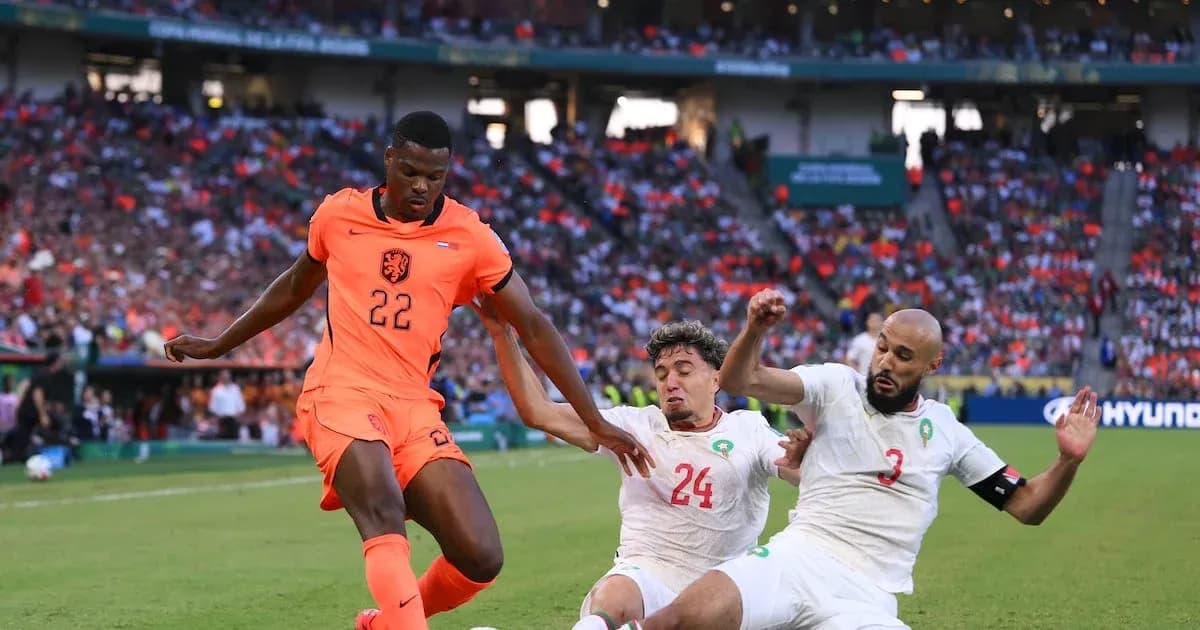
From the opening whistle, the game crackled. Jan Paul van Hecke found himself in the wars three times in the first half alone, his head streaming with blood after the third collision. Fouls nibbled away at any chance of fluency.
In the stands, the theatre turned sharper. Local fans, remembering all too well the penalty that dumped Mexico out 12 years to the day – Arjen Robben’s infamous tumble – gleefully joined Morocco’s support in jeering every Dutch touch. Each pass was a reminder. Each miscontrol, a roar.
On the pitch, Verbruggen stood tall, denying Neil El Aynaoui and Achraf Hakimi with sharp, acrobatic stops. Hakimi, quiet by his standards before the break, began to slice inside with clever underlapping runs after it. One surge almost broke the game open before Van de Ven’s perfectly timed, crunching tackle shut the door.
The Netherlands had no real grip on the contest. They were hanging on and waiting for a moment. It arrived in the most modern of ways.
Hydration break, Weghorst, and the punch that should have finished it
The second half had settled into a pattern: Morocco in command, the Dutch pinned back, the tempo rising in red shirts. Then came the mandated pause. A hydration break, on a night when tactics and nerves were already stretched, became a turning point.
Koeman seized it. Brian Brobbey, ineffective and isolated, was hooked. On came Wout Weghorst, the battering ram.
Within seconds, the switch paid off. Verbruggen launched long, Weghorst climbed and flicked on, and suddenly Crysencio Summerville was racing through. As he was challenged, he hooked the ball across to Gakpo. One touch, one ruthless finish. The dam broke. The emotions poured out.
For a brief spell, it looked like a familiar Dutch trick. Rope-a-dope, just as in 2010 when they soaked up punishment and still found a way to the final. They had bent but not broken, then struck with precision.
Time slipped away. Morocco pushed, but the clock looked orange.
Talbi, Diop and a twist that cut deep
Then the game turned on a single, glorious delivery.
First minute of stoppage time. Chemsdine Talbi, a late Moroccan substitute, checked inside onto his right foot on the flank. The cross he produced was wicked, curling and inviting, the kind that leaves defenders rooted and goalkeepers stranded.
At the far post, Issa Diop climbed above everyone and thumped his header home. It was a thrilling, violent contact, the ball crashing past Verbruggen and into the net. Morocco had what their control and ambition deserved. Dutch faces told the rest: shock, then hollow devastation.
Extra time never really recovered from that emotional swing. Legs were heavy, minds heavier. Verbruggen produced one more outstanding save, stretching to deny Soufiane Rahimi in what became the only clear chance of the additional 30 minutes. After that, both sides seemed to understand: this would be settled from the spot.
Penalties, inches and Morocco’s nerve
The shootout quickly turned into a study in fine margins.
Both teams missed one early. Then came the moment Koeman would later circle as the night’s cruel hinge. Verbruggen read Rahimi’s effort, got across and appeared to have saved it, only for the ball to squirm agonisingly in off his trailing heel. A fingertip here, a different spin there, and the story changes.
Instead, it tilted further away. Quinten Timber stepped up and dragged his kick horribly wide, a miss that hung in the air like a groan. Hakimi then clipped the outside of the post, a rare misstep from Morocco’s star, but it only delayed the inevitable.
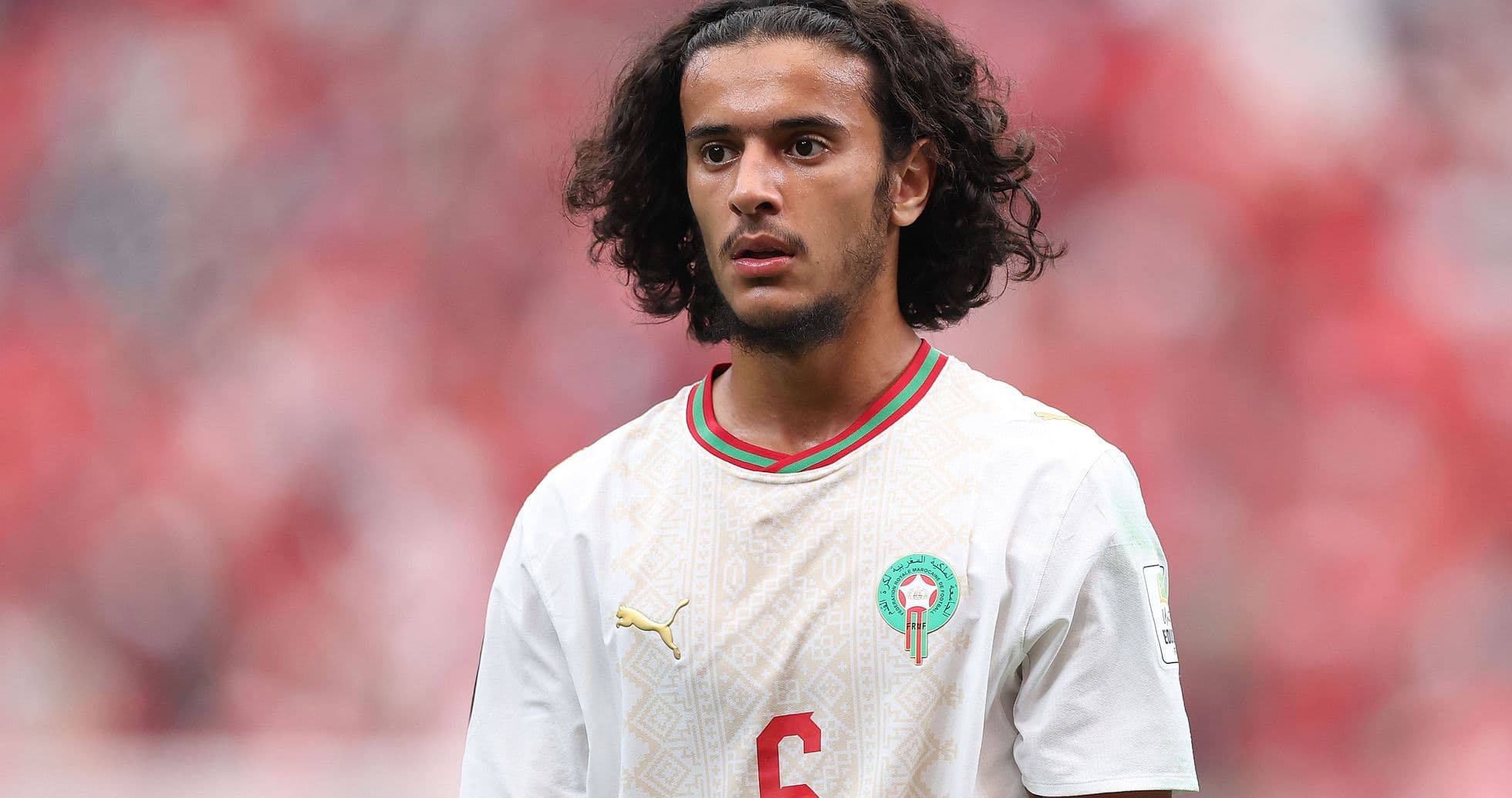
Bounou did his part. Saibari finished the job. Morocco 3–2 on penalties, the Netherlands out, the Atlas Lions roaring again on the world stage.
Canada await Morocco in the last 16. On a day when Europe’s established powers faltered, Africa’s best kicked the door open and walked through.