Mexico's World Cup Journey: Aguirre's Last Stand
Mexico arrive with the weight of a nation on their backs again. The demand is familiar, almost ritual by now: get out of the group. This time, though, the bar feels higher. Finishing top is seen not as ambition, but as obligation – a way to dodge the tournament’s early giants and finally clear a path beyond that dreaded last‑16 wall.
The expectation is not built on fantasy. This is a squad shaped around a spine that looks solid, seasoned, and, crucially, Mexican at its core.
Aguirre’s last stand
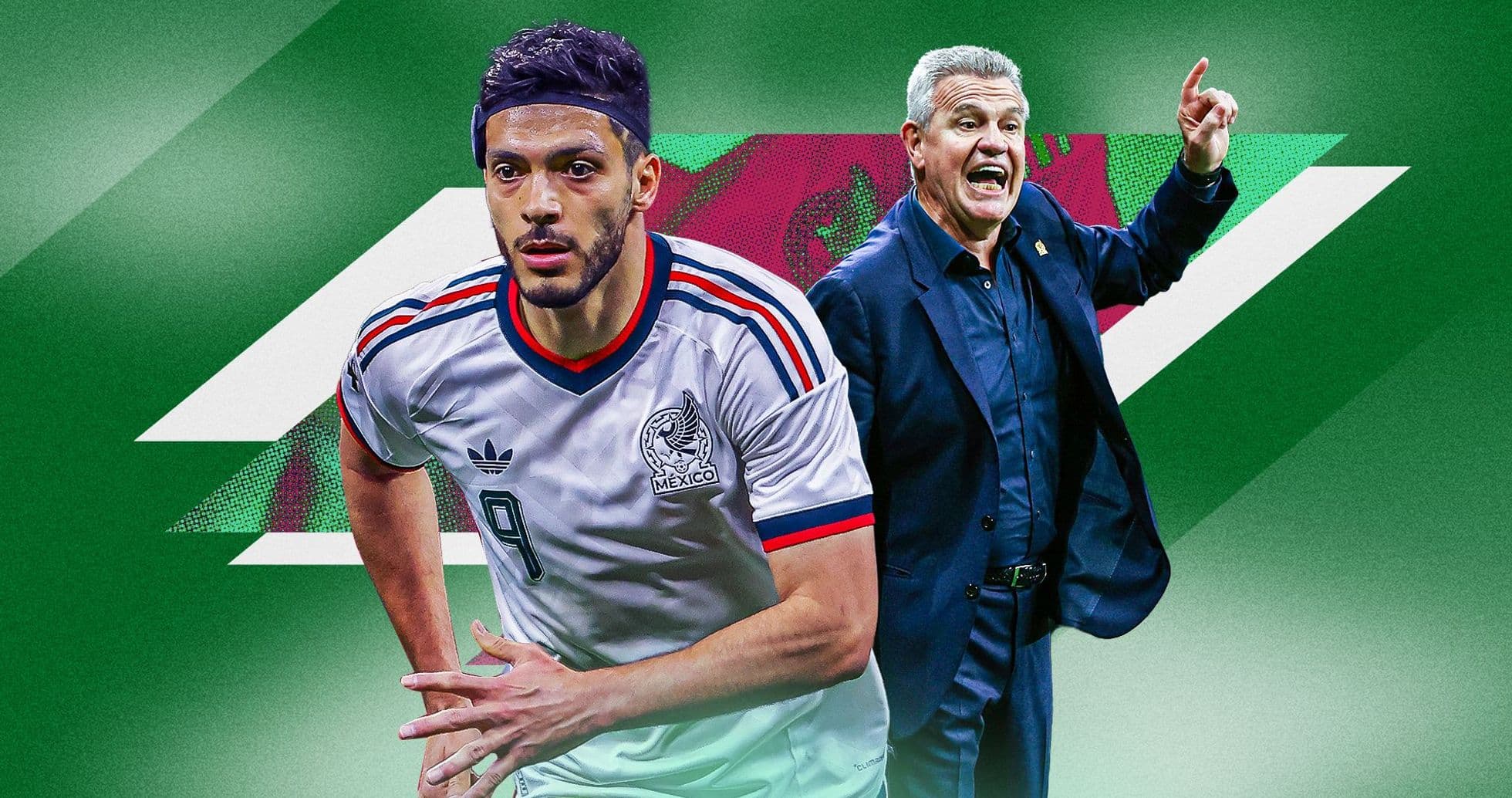
On the touchline, an old face returns for one last run. Javier Aguirre, in his third spell in charge, will guide El Tri through this tournament before handing the job to his assistant, Rafa Marquez. Aguirre carries the scars and the medals: World Cup campaigns in 2002 and 2010, two Gold Cup titles, and years of debate about whether he is too cautious, too pragmatic, too safe.
He has heard it all before. His squad list will not quiet the critics. Once again, he leans heavily on Liga MX, trusting the domestic backbone that has always defined his teams. Before the league season had even finished, 12 players from Mexico’s top flight were already in the preliminary camp, later joined by those flying in from Europe and beyond.
Some big names from recent cycles are gone. Diego Lainez is out. So is Chucky Lozano. Their omissions sharpen the sense that this is a new version of El Tri, even if the man in the dugout is a familiar one.
Steel at the back, questions in the middle
If Mexico are to go deep, they will do it from a position of defensive strength. At the heart of the back line, Johan Vasquez and Cesar Montes form a partnership that looks built for tournament football: disciplined, rugged, and comfortable under pressure.
Ahead of them, the midfield offers a blend of craft and graft. Alvaro Fidalgo is expected to be a key reference point, knitting play together, while young Obed Vargas steps into a role that could define the next decade of Mexican football. Overseeing it all is captain Edson Alvarez, who has made the squad despite an injury‑hit campaign. His presence alone changes the tone of this team; he is the one who sets the edge, the tempo, the standard.
The structure is there. The concern, as always, is whether Mexico can consistently turn that platform into chances, and chances into goals.
Jimenez, one last charge
Up front, there is no debate. This is Raul Jimenez’s team.
At 35, the Fulham striker walks into his fourth World Cup as the undisputed focal point. In 2025, when Mexico lifted two trophies, he scored nine of their 22 goals. Those numbers are not just impressive; they are a warning about what happens if he slows down. No one else in this squad comes close to his status or his reliability in front of goal.
Santiago Gimenez was supposed to be the heir. A difficult season at AC Milan has stalled that story, and with it, pushed even more responsibility onto Jimenez’s shoulders. Every cross, every cutback, every hopeful ball into the box will look for him first.
This is his last great stage in green. He knows it. So does the country.
Ochoa, the constant
Behind it all, the most familiar figure of the modern Mexican era stands back in goal. Guillermo Ochoa looked to be drifting out of the national picture, edged aside as a new generation emerged. Then Luis Malagon’s injury changed everything.
The door creaked open. Ochoa walked straight through.
Now he is on the brink of a sixth consecutive World Cup, a feat that will place him alongside Lionel Messi and Cristiano Ronaldo at this tournament. For a nation that has lived so many of its World Cup memories through his saves, his return is more than a selection. It is a reminder of continuity in a team that keeps trying to reinvent itself without ever quite breaking through.
A 17-year-old spark
If the old guard provide the structure, the story that could define this campaign belongs to a teenager.
Gilberto Mora is just 17, fresh off a long injury lay‑off that cost him much of the Liga MX season with Tijuana. Yet he arrives as one of the brightest hopes Mexican football has produced in years, a player spoken about in terms that feel almost taboo in a country used to disappointment on the biggest stage.
Mora operates high up the pitch, an attacking midfielder who lives in the final third. He sees passes others don’t. He breaks lines, slips through gaps, tilts games with a single touch. He is already rewriting domestic records, already drawing serious attention from Europe’s elite, many of whom are quietly plotting how to get him across the Atlantic as soon as possible.
In a side that can labour to create clear chances, his role becomes pivotal. When the patterns stall and the crosses grow predictable, Mora is the one who can do something different, something daring. He is the wildcard in a team built on structure.
The stakes could not be clearer. Mexico carry the burden of decades of frustration, of round‑of‑16 exits that have become a national obsession. They have a seasoned coach on his farewell tour, a 35‑year‑old striker chasing one last defining tournament, a legendary goalkeeper refusing to fade away, and a teenager ready to ignite a new era.
The question is no longer whether they can escape the group. It is whether this mix of old steel and new spark can finally smash through the ceiling that has held El Tri in place for a generation.